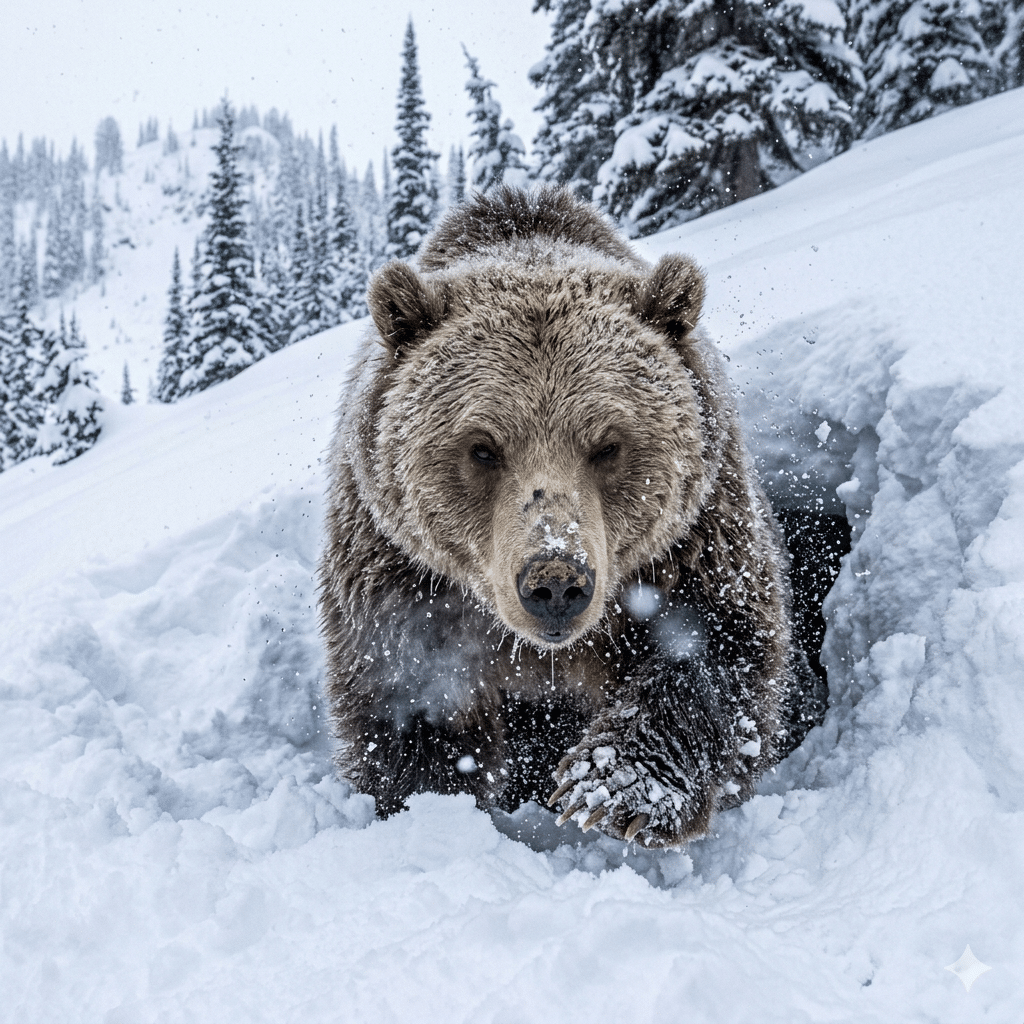
In the high-elevation basins of British Columbia, the spring of 2026 has arrived with a complex set of environmental signals. As of mid-April, iconic grizzly residents like Grinder and Coola at Grouse Mountain have officially emerged from their 144-day hibernation, marking a quarter-century of data on how these apex predators interact with the changing BC landscape.
But beyond the managed refuges, the wild grizzly populations of the province are navigating a Spring 2026 season defined by three critical ecosystem shifts: erratic snowpacks, Indigenous-led restoration, and the simmering debate over the “stewardship” of the species.
1. The Phenology Gap: Snowpack and Early Emergence
Climate data for Spring 2026 shows a continued trend of erratic spring phenology—the timing of biological events. Grizzly bears typically time their emergence to the “green-up” of sub-alpine meadows, where they rely on protein-rich glacier lilies and succulent grasses to jumpstart their systems after months of dormancy.
However, as the inland temperate rainforests experience more frequent mid-winter thaws, bears are increasingly emerging into a landscape that hasn’t quite caught up. This “mismatch” forces grizzlies to move lower into valley bottoms earlier in the season. In areas like the Bella Coola Valley, this has put conservation officers on high alert this spring, as bears searching for early-season calories are funneled into closer proximity with human settlements before the higher-elevation berries and salmon runs are ready.
2. The Restoration of the North Cascades
One of the most significant ecosystem milestones of 2026 is the Indigenous-led Joint Nations Grizzly Bear Initiative. For years, the grizzly was considered “extirpated” (locally extinct) in the North Cascades, a transboundary ecosystem stretching from Lytton, BC, down into Washington State.
This spring, a coalition of First Nations—including the Okanagan Nation Alliance and the Nlaka’pamux Nation Tribal Council—is moving forward with a comprehensive strategy to bring the grizzly back. This isn’t just about moving bears; it’s about restoring an “ecological relationship.” The project emphasizes that the health of the North Cascades ecosystem is incomplete without the grizzly’s role as a “seed disperser” and soil tiller. Their return is a primary focus for BC’s biodiversity goals for the 2026-2027 fiscal year.
3. The Stewardship Plan and the Conflict Debate
The ecosystem health of BC’s grizzlies is currently at a political crossroads. Following a series of high-profile human-bear encounters in late 2025, the spring of 2026 has seen a renewed push for a “Grizzly Bear Stewardship Plan.”
While some groups have called for a return to trophy hunting as a management tool, the scientific consensus within the 2026 conservation community remains firm: hunting does not reduce conflict. Current data shows that:
- Conflict vs. Hunt: “Problem bears” are typically younger, “teenage” bears near human settlements, whereas hunters target older, dominant males in remote wilderness.
- The Salmon Link: Ecosystem health is the best predictor of safety. Years with diminished salmon returns (as seen in the 2025-2026 cycle) correlate directly with increased human-bear interactions in the spring and fall.
Moving Forward: Coexistence as Conservation
As we move into May 2026, the focus has shifted toward Enforced Attractant Management. Rather than reactive measures, the province is investing in non-lethal coexistence strategies—electric fencing for livestock, bear-proof waste infrastructure, and habitat corridors that allow bears to bypass human-dense valleys.
The grizzly is a barometer for the health of the British Columbian wilderness. As they roam the valleys this spring, their presence reminds us that a changing ecosystem requires more than just protection; it requires an active, science-based commitment to sharing the landscape.

I am the founder and owner of Fauna Facts. My mission is to write valuable and entertaining information about animals and pets for my audience. I hope you enjoy the site!