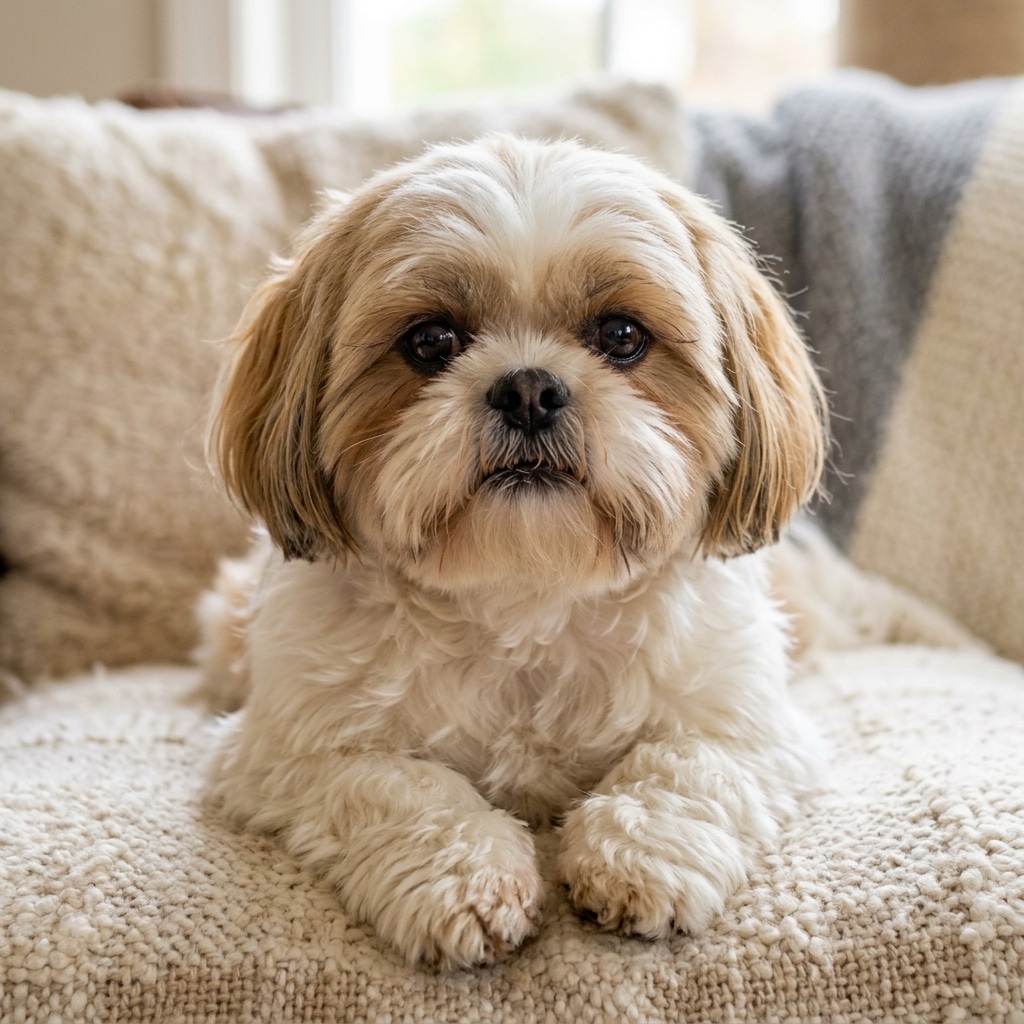
We often think of dog communication as a symphony of barks, growls, and the occasional pathetic whimper at the dinner table. But if you’re only listening with your ears, you’re missing the vast majority of the conversation.
Dogs are masters of the “quiet language”—a sophisticated system of whispers told through the flick of an ear, the tension in a shoulder, or the specific arc of a tail wag. Understanding this silent dialogue doesn’t just make you a better pet owner; it makes you a better friend.
It’s All in the Eyes
In the canine world, eyes are the windows to the intent. While humans love a good staring contest to show affection, dogs often view prolonged, direct eye contact as a challenge or a threat.
- The Soft Gaze: When your dog looks at you with relaxed, squinty eyes, they are essentially saying, “I feel safe with you.”
- Whale Eye: If you see the whites of your dog’s eyes (a crescent shape usually visible when they turn their head but keep their eyes fixed on something), they are feeling anxious, stressed, or protective. This is a clear signal to give them space.
The Myth of the Happy Tail
One of the biggest “mistranslations” in the human-canine bond is the assumption that a wagging tail always equals a happy dog. A tail wag is simply a sign of emotional arousal—the flavor of that emotion depends on the how and the where.
| Tail Position | Likely Meaning |
| High and Stiff | Alertness, dominance, or potential agitation. |
| Mid-level, Fluid Wag | Standard “happy to see you” greeting. |
| Low or Tucked | Fear, submission, or uncertainty. |
| The “Helicopter” Wag | Extreme joy and friendliness (often seen with a wiggly butt). |
Pro Tip: Recent studies suggest that the direction matters too! A wag biased toward the right side of the body usually indicates positive feelings, while a left-leaning wag can signal anxiety.
The “Calming Signals”
Norwegian dog trainer Turid Rugaas coined the term Calming Signals to describe the subtle movements dogs use to deflect conflict and self-soothe. These are the “polite” ways dogs ask for a situation to de-escalate.
- The Lip Flick: A quick dart of the tongue to the nose. It’s not about hunger; it’s a sign of slight discomfort.
- The Yawn: If your dog yawns while you’re hugging them or in a crowded vet waiting room, they aren’t bored—they’re trying to release tension.
- The Shake-Off: Just like humans might take a deep breath after a stressful meeting, dogs will physically shake their bodies (as if they are wet) to “reset” after a tense encounter.
Listening with Your Eyes
Learning the quiet language requires us to slow down. When we stop looking for the “big” signals like barks and bites, we start seeing the subtle requests for peace, space, or affection that our dogs are making every single day.
Next time your dog turns their head away when you lean in for a photo, or offers a slow blink from across the room, acknowledge it. You’ll find that when you start “listening” to the silence, the bond between you becomes louder than ever.
What is your dog’s most common “quiet” habit?

I am the founder and owner of Fauna Facts. My mission is to write valuable and entertaining information about animals and pets for my audience. I hope you enjoy the site!