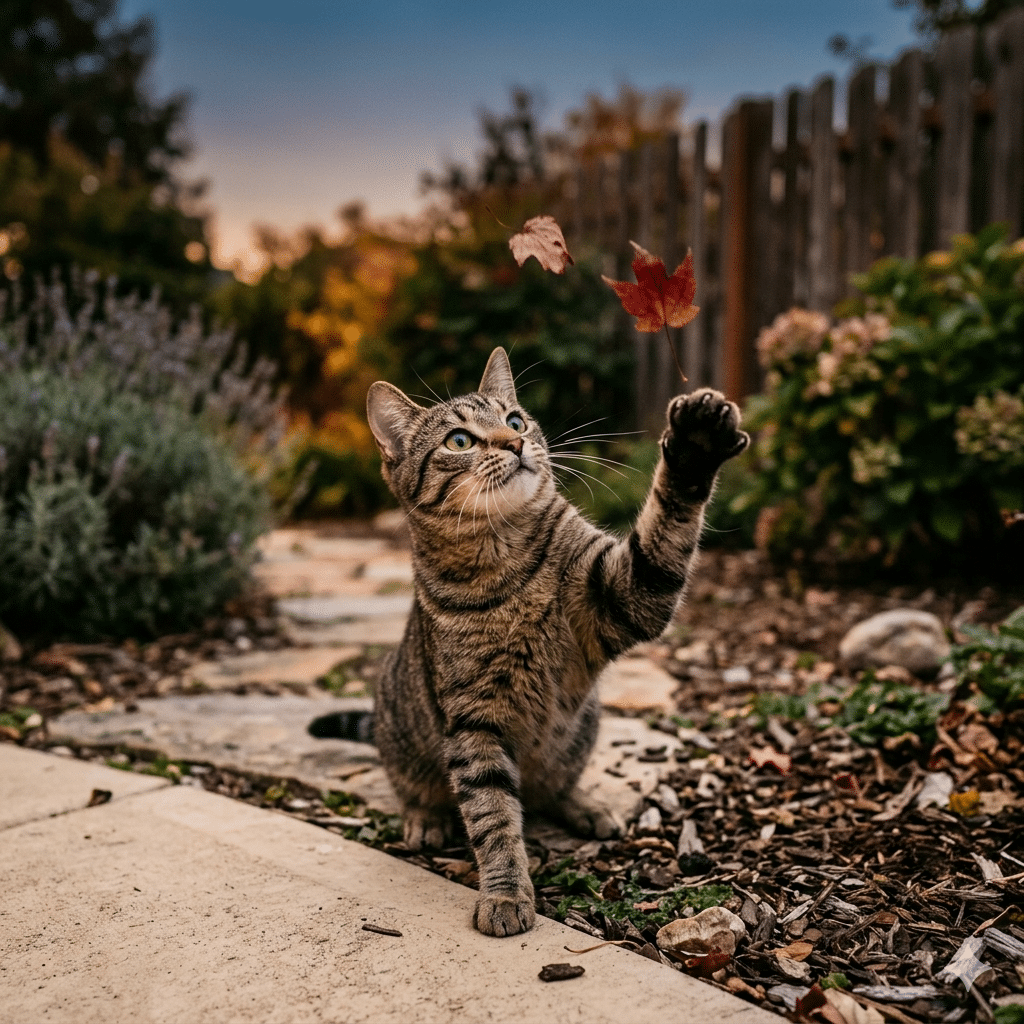
For thousands of years, the feline biological clock was set by the rising and setting of the sun. As crepuscular hunters, cats evolved to be most active during the “golden hours” of dawn and dusk, periods when their superior low-light vision gave them a distinct advantage over both prey and competitors. However, the modern indoor environment has introduced a permanent “midnight sun.”
Artificial lighting, particularly the blue-wavelength light emitted by LED bulbs and digital screens, has fundamentally altered the hormonal landscape of the domestic cat. Understanding how these light cycles influence mammalian circadian rhythms is no longer just a matter of behavioral observation; it is a critical component of feline hormonal health.
The Pineal Gland and the Melatonin Bridge
The heart of the circadian rhythm lies in the pineal gland, a small but powerful endocrine gland in the brain that acts as the body’s light-meter. In response to darkness, the pineal gland produces melatonin, often referred to as the “hormone of darkness.” Melatonin is responsible for more than just sleep; it regulates the immune system, acts as a potent antioxidant, and helps modulate the release of other hormones throughout the body.
When a cat is exposed to artificial light late into the night, the photoreceptors in the eyes signal the brain that it is still daytime. This suppresses the production of melatonin. For a mammalian system designed for deep fluctuations in light intensity, this “flat” hormonal profile—where melatonin never reaches its peak—can lead to chronic physiological stress.
Hormonal Cascades and Metabolic Health
The disruption of the circadian rhythm doesn’t end with sleep patterns; it triggers a cascade of hormonal imbalances that can affect a cat’s long-term metabolic health.
- Cortisol and the Stress Response: In mammals, cortisol levels should naturally dip during rest periods. Constant light exposure can lead to elevated baseline cortisol levels. In cats, chronic high cortisol is linked to weakened immune responses and can exacerbate inflammatory conditions.
- Insulin Sensitivity: Emerging research in mammalian chronobiology suggests that the timing of light exposure is linked to glucose metabolism. When the circadian rhythm is disrupted, the body’s ability to manage insulin becomes less efficient. For indoor cats, who are already prone to obesity and feline diabetes, the lack of a “dark cycle” can be a contributing factor to metabolic dysfunction.
- Reproductive Hormones: Cats are seasonally polyestrous, meaning their reproductive cycles are heavily dictated by day length. Constant artificial light can “trick” a cat’s hormonal system into a state of perpetual springtime, which can lead to behavioral issues and physical strain on the reproductive system in intact animals.
The Blue Light Problem
Not all light is created equal. Modern homes are increasingly lit by LEDs and the glow of televisions and smartphones, which are rich in blue light. This specific wavelength is the most effective at suppressing melatonin in mammals. Because cats have a much higher density of rods in their retinas than humans do, they are even more sensitive to light intensity and spectrum changes. A “dim” blue light in a kitchen can feel like a bright midday sun to a cat’s biological clock.
Restoring the Natural Cycle
Creating a “circadian-friendly” environment for a cat involves more than just turning off the lights. It requires a conscious management of the indoor environment to mimic natural cycles.
- Implement a “Blackout” Period: Ensure that there is a period of at least eight to ten hours of total darkness in the area where the cat sleeps. This allows the pineal gland to complete a full melatonin cycle.
- Warm Spectrum Lighting: If lights must be on in the evening, switching to “warm” bulbs with red or amber tones can mitigate the suppression of melatonin, as these wavelengths are less disruptive to the mammalian clock.
- Daylight Exposure: Just as nighttime darkness is vital, daytime exposure to natural sunlight is equally important. Access to a window during the day helps “anchor” the circadian rhythm, making the body more resilient to artificial light in the evening.
Conclusion
The domestic cat’s body is a marvel of evolutionary timing, a system tuned to the subtle shifts of the natural world. By acknowledging the impact of artificial light on their hormonal health, we can move beyond providing mere shelter and begin providing an environment that respects their biological heritage. A stable circadian rhythm is the foundation of a balanced cat, ensuring that their internal chemistry remains as sharp and synchronized as their hunting instincts.

I am the founder and owner of Fauna Facts. My mission is to write valuable and entertaining information about animals and pets for my audience. I hope you enjoy the site!