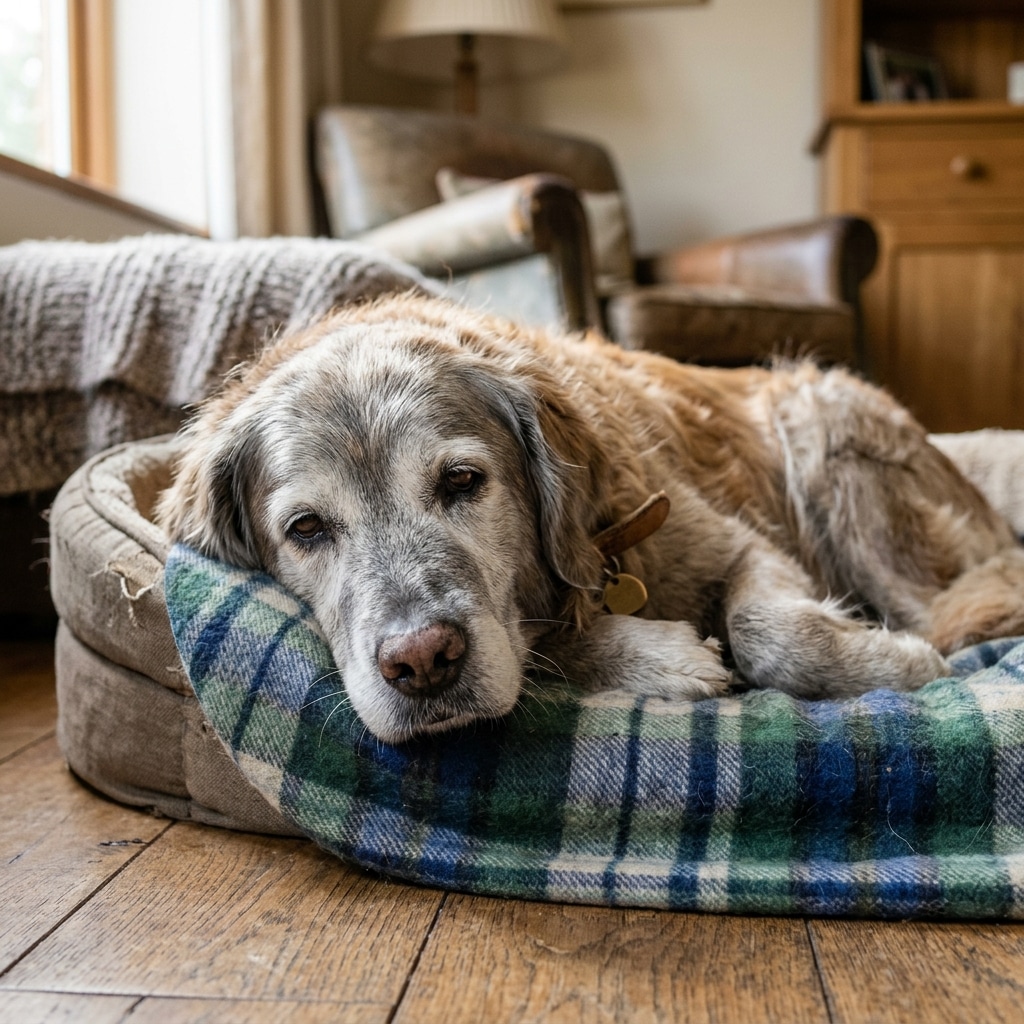
If you’ve ever stood outside at 1:30 AM while your puppy sniffed the same patch of grass for fifteen minutes… only to come back inside and pee on the carpet immediately afterward… you already know the truth: some dog breeds are unbelievably hard to housebreak.
It does not always mean they are dumb, either. In fact, many of the hardest dogs to potty train are extremely intelligent. The real problem is usually stubbornness, independence, endless energy, tiny bladders, anxiety, or dogs that simply do not care what you want.
Here are 35 dog breeds that owners say can make potty training feel like psychological warfare.
35. Bichon Frise
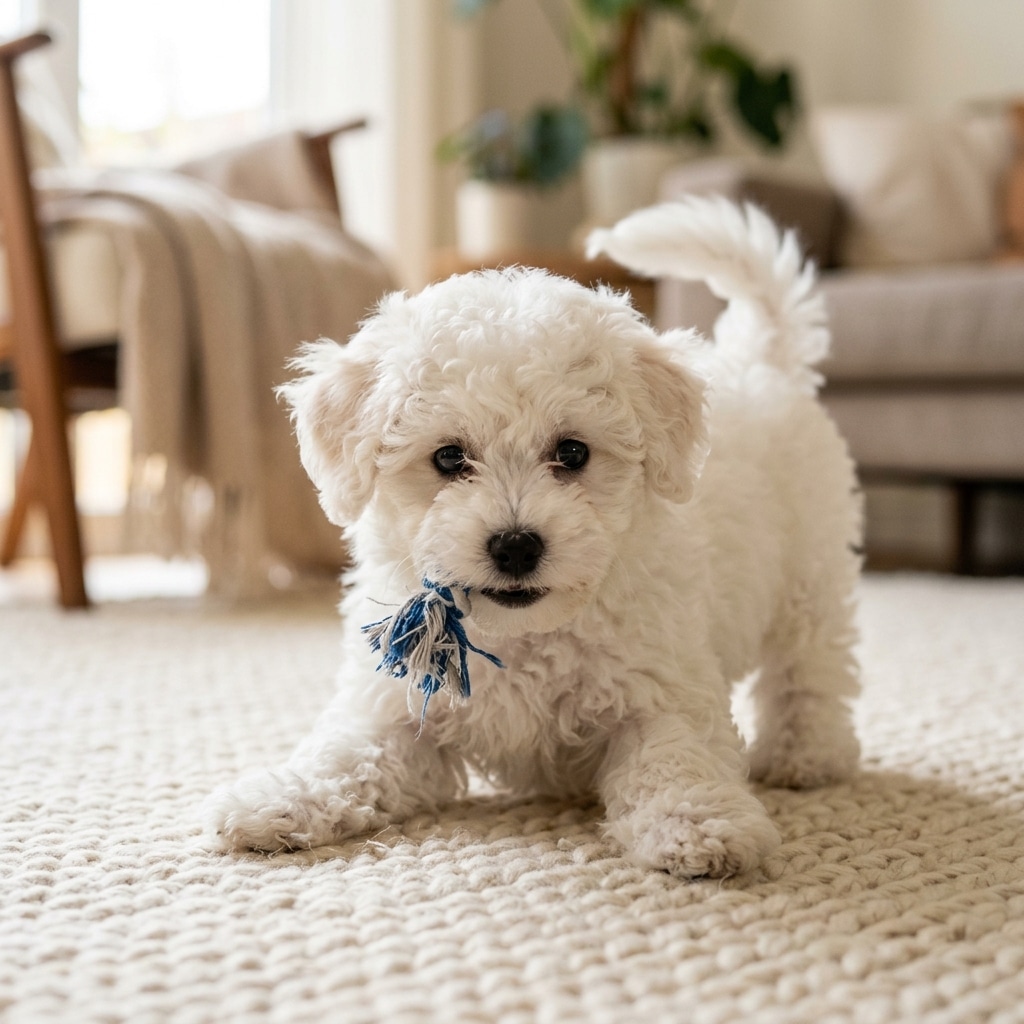
Bichons look like cheerful little stuffed animals, which tricks many owners into thinking they will be easy puppies. Then the accidents start. Many owners say their Bichon would make great progress for a week, then suddenly pee indoors three times in one day for absolutely no obvious reason. They are smart dogs, but they learn inconsistency from owners very quickly.
34. Maltese
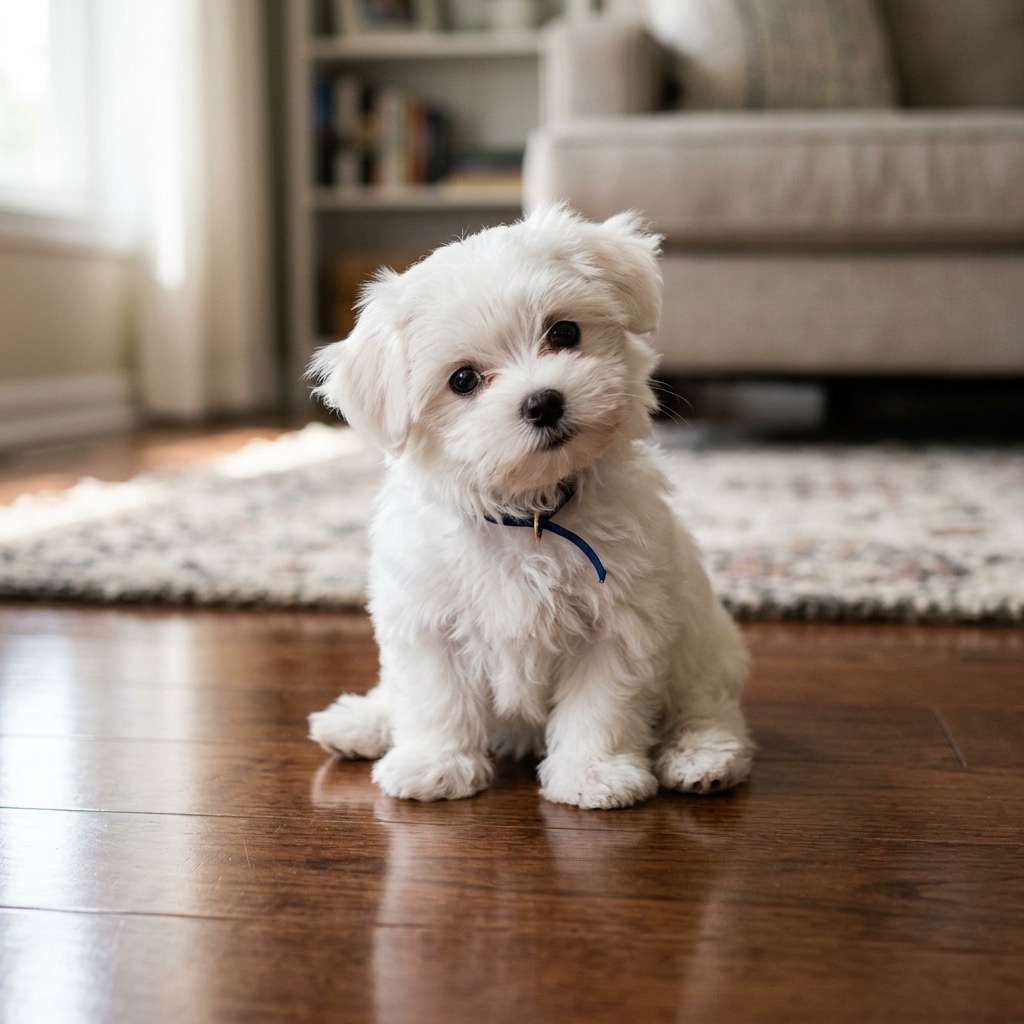
Maltese dogs are sensitive emotionally, which can make potty training strangely fragile. One stressful week, one routine change, or one harsh correction can suddenly cause regressions. Owners often describe feeling like they are “starting over again” multiple times during puppyhood.
33. Pomeranian
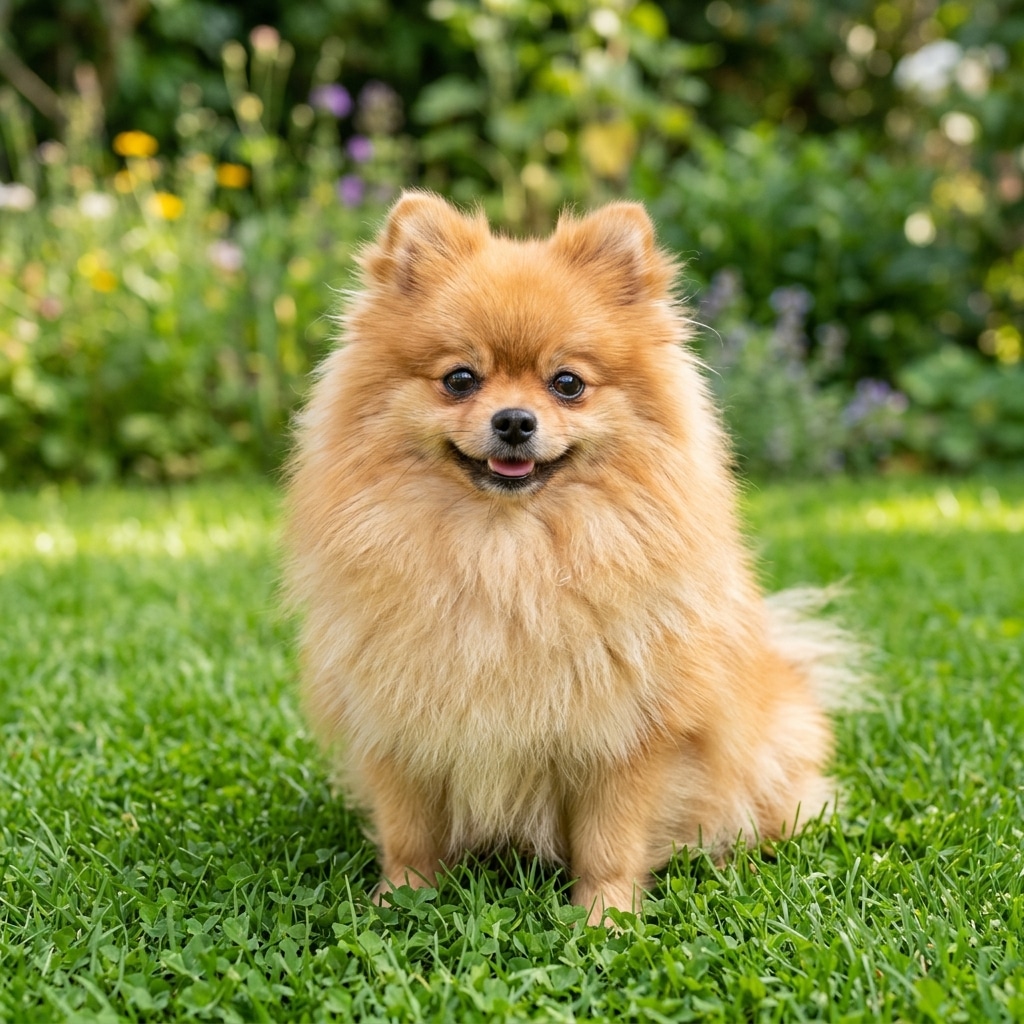
Pomeranians are tiny dogs with giant emotions. Someone knocks on the door? Excitement pee. Visitors arrive? Excitement pee. You come home after ten minutes? Excitement pee. Many owners eventually realize the hardest part is not teaching the dog the rules — it is keeping the dog emotionally regulated long enough to remember them.
32. Yorkshire Terrier
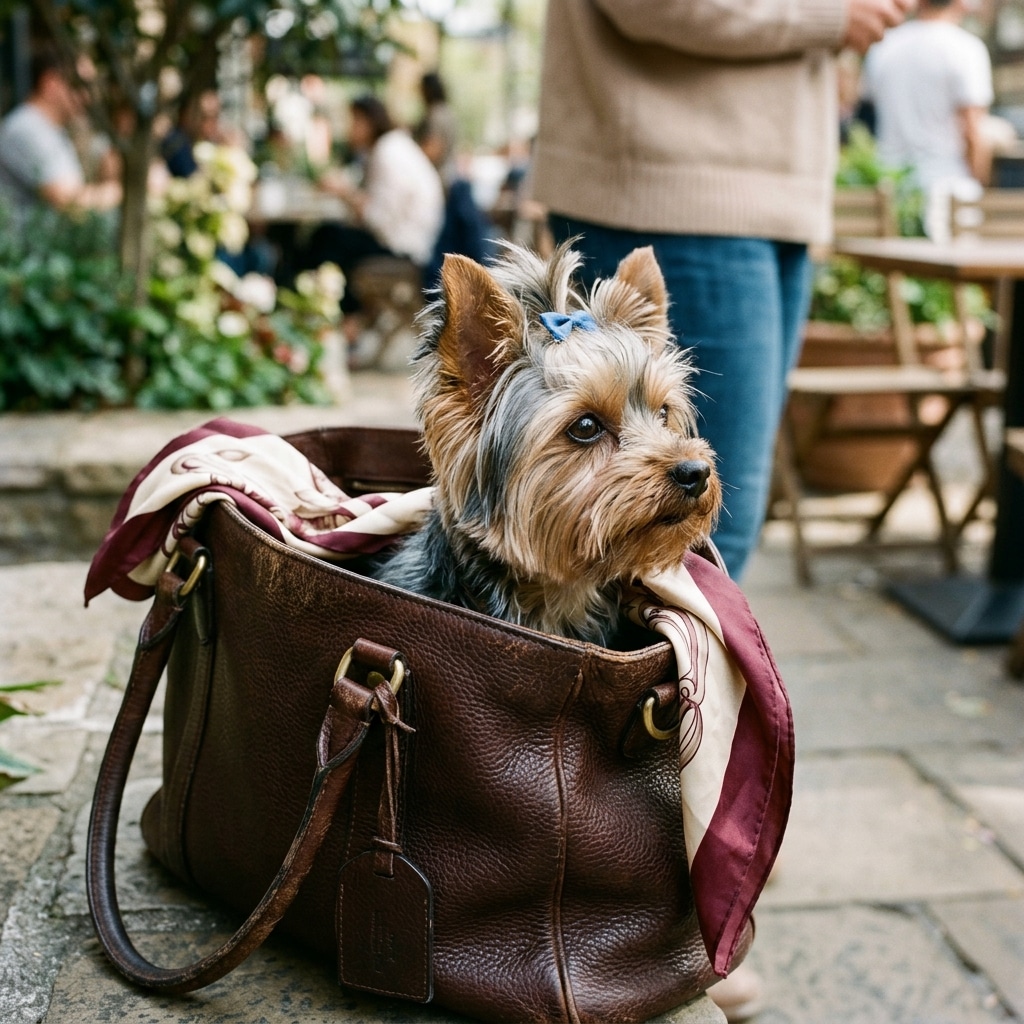
Yorkies are so small that accidents can happen almost invisibly. Owners constantly talk about discovering little surprise puddles long after the fact. Some even admit they became paranoid, scanning carpets and corners every few minutes like crime scene investigators.
31. Chihuahua
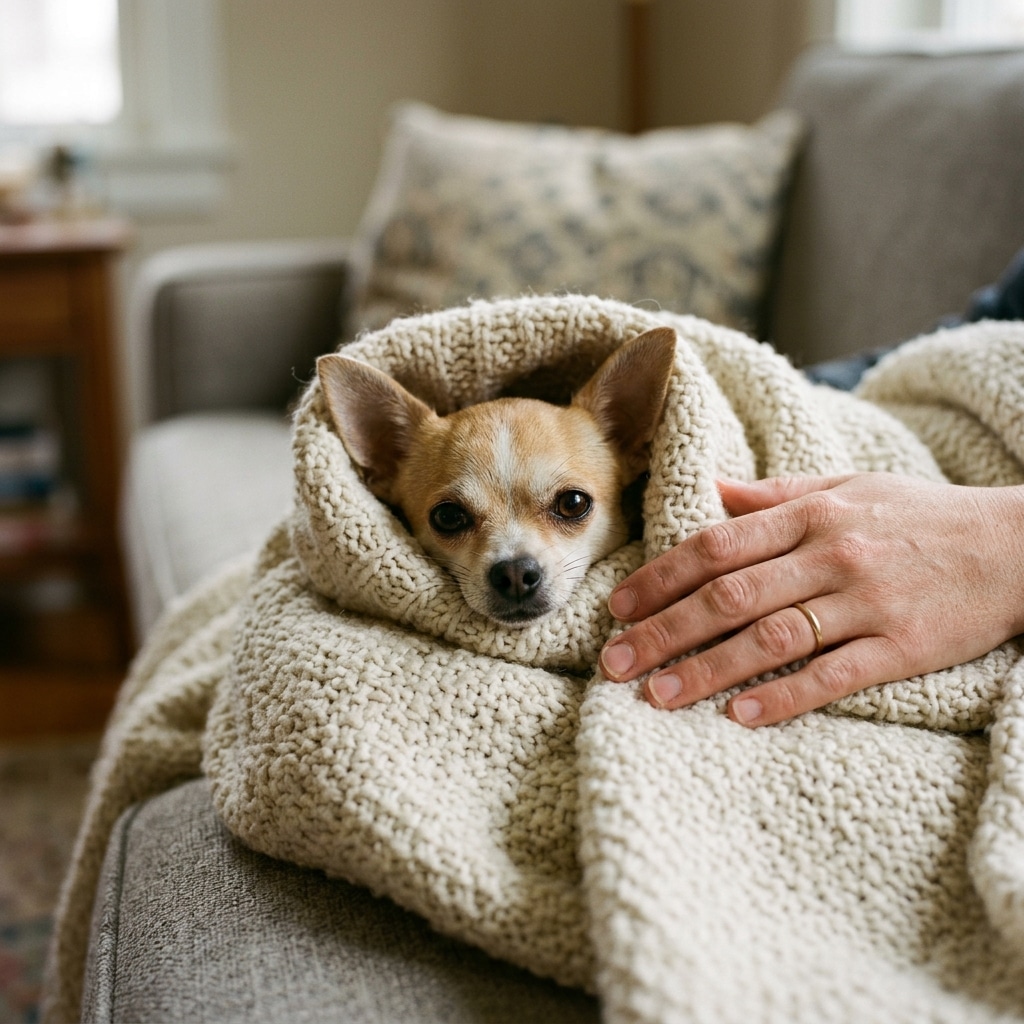
Chihuahuas often behave like the outdoors personally insulted them. Rain is unacceptable. Wet grass is unacceptable. Wind is unacceptable. Many owners describe standing outside freezing while their Chihuahua trembles dramatically, refuses to pee, then immediately goes on the floor once back inside.
30. Dachshund
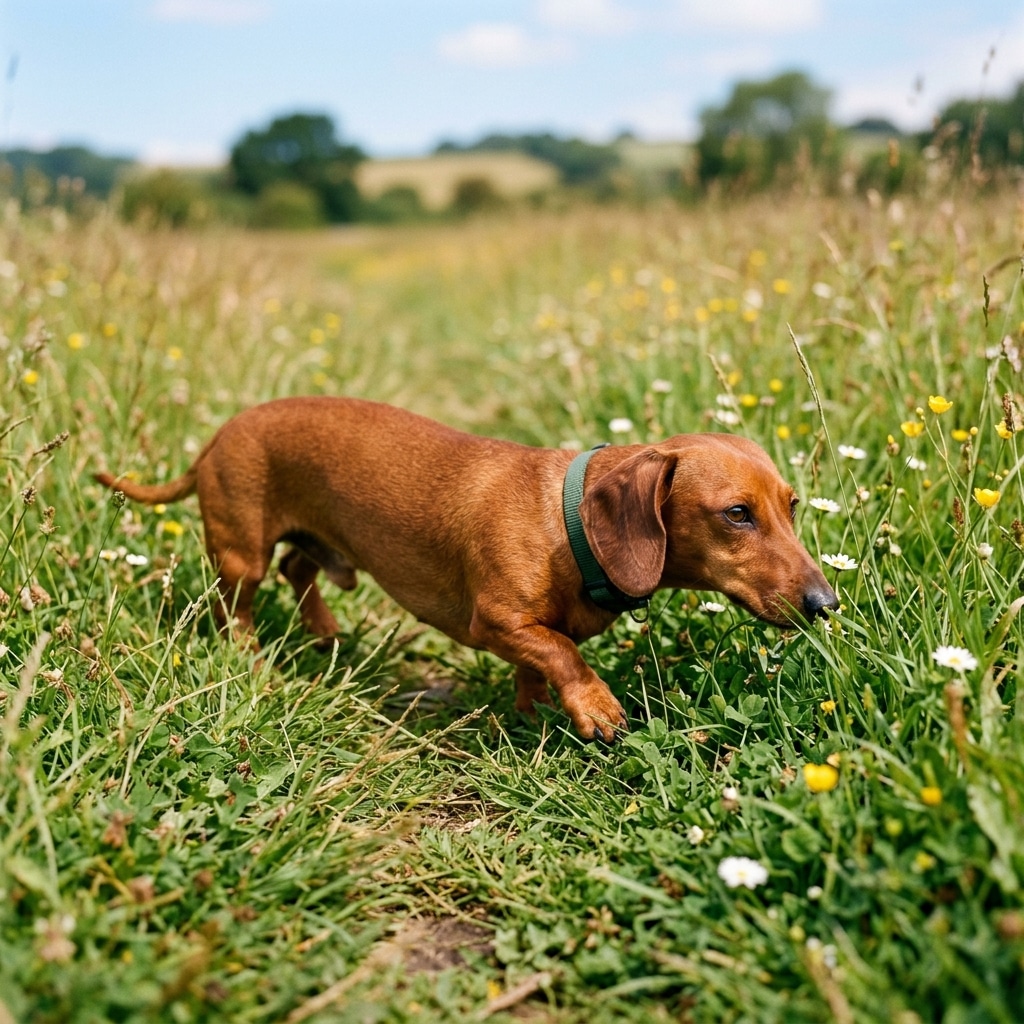
Dachshunds are legendary for difficult potty training. Owners joke that Dachshunds fully understand the rules and simply disagree with them. You can take them outside six times in one evening, wait forever, then watch them come inside and pee beside the couch with complete confidence. Rainy days often turn the entire process into a psychological battle.
29. Italian Greyhound
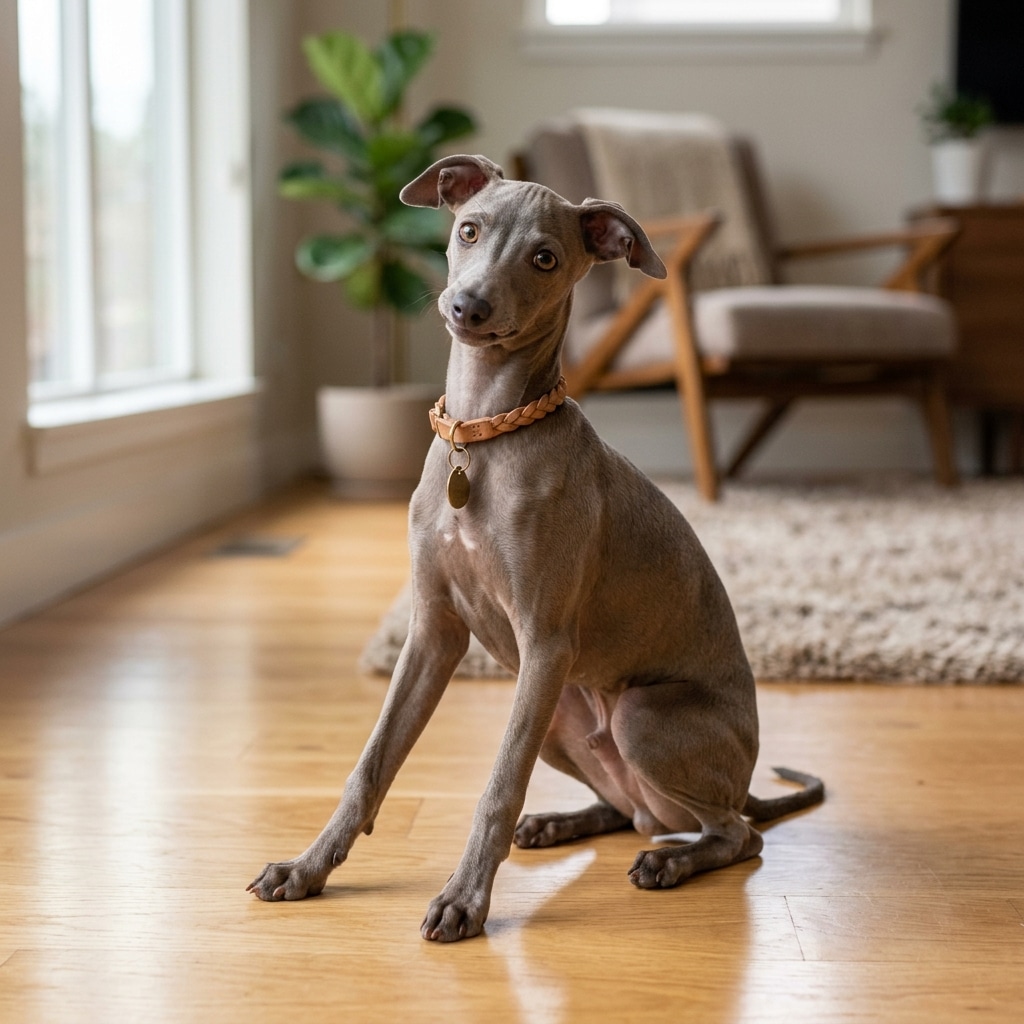
Italian Greyhound owners sound genuinely traumatized sometimes. These dogs hate cold weather, wet grass, and uncomfortable conditions with astonishing passion. Many people swear their Italian Greyhound would rather explode than step outside into light rain. Some owners eventually give up and keep emergency pee pads permanently.
28. Beagle
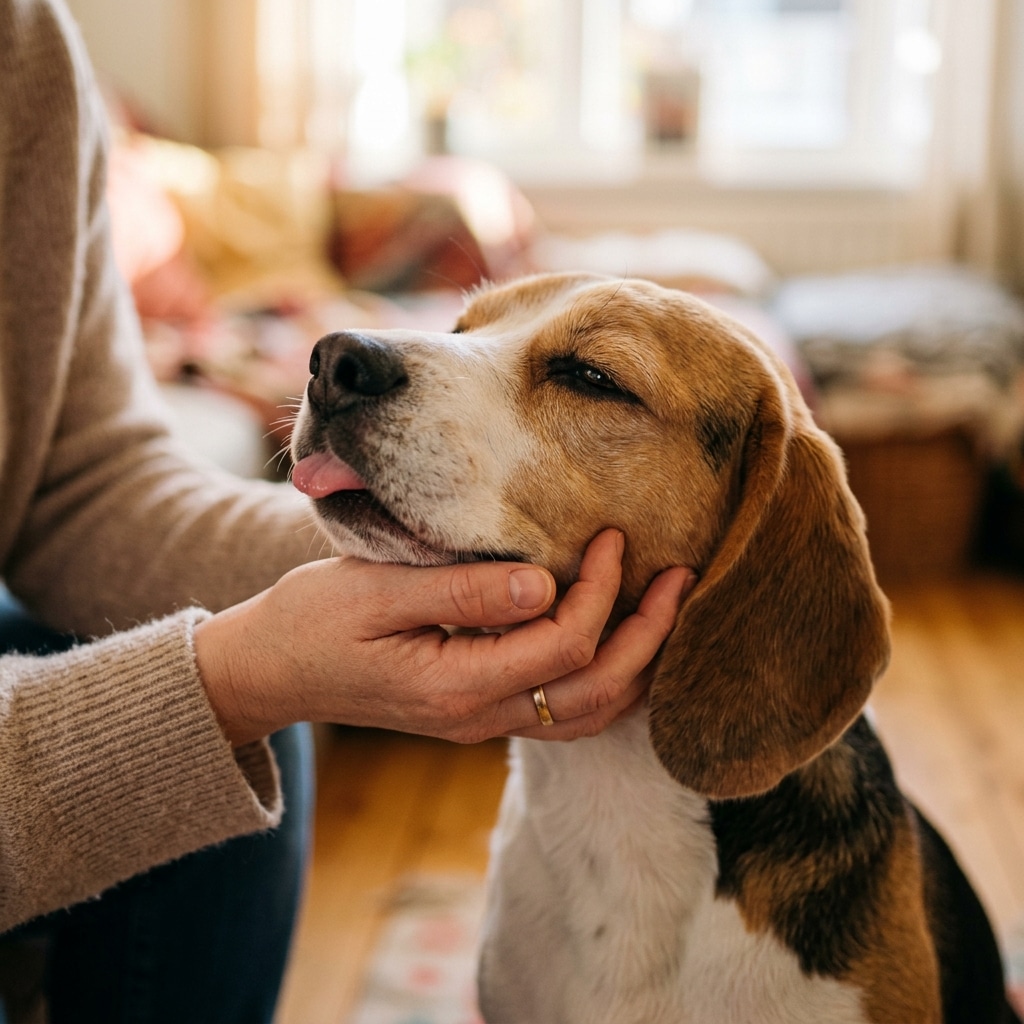
Taking a Beagle outside to potty can feel like bringing a distracted toddler through Disneyland. They start sniffing one thing, then another, then another, until they completely forget why they went outside in the first place. And once they catch a truly interesting scent trail, your existence becomes irrelevant.
27. Bloodhound
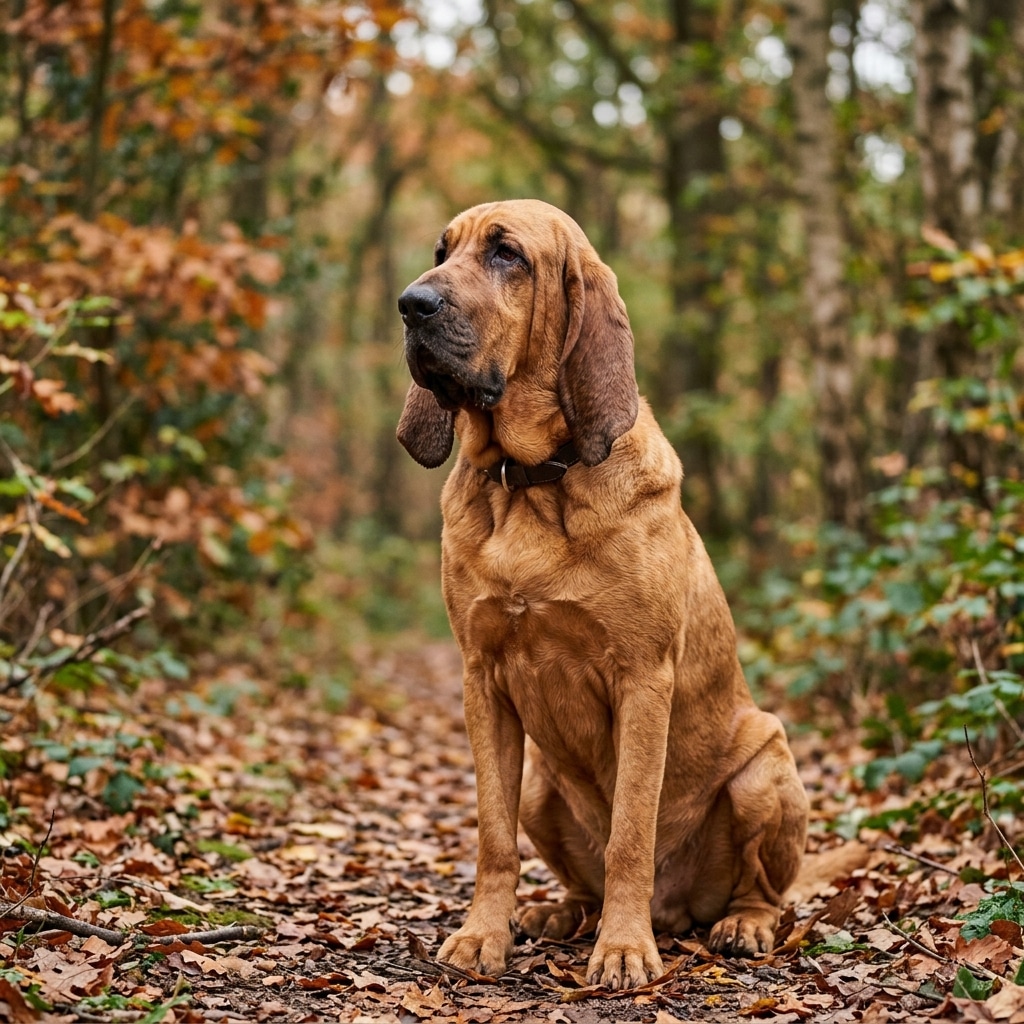
Bloodhounds do not casually smell things. They spiritually commit to smells. Owners often describe trying to potty train them while the dog becomes emotionally consumed by a random scent three yards away. Housebreaking a Bloodhound can feel less like training and more like interrupting a detective during an active murder investigation.
26. Basset Hound
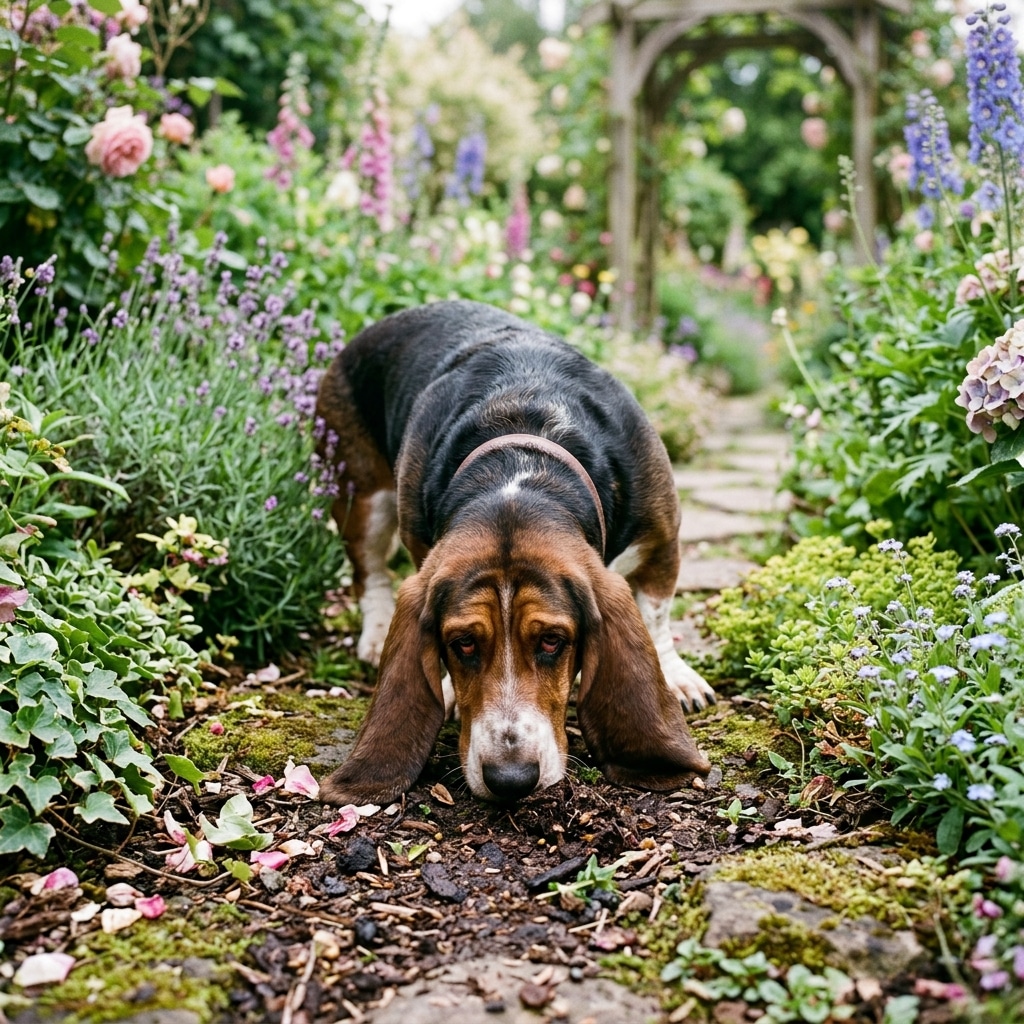
Basset Hounds are slow-moving, stubborn, and strangely committed to their own schedules. Some owners say their Basset clearly understood potty training but simply preferred making independent decisions about timing. They are not chaotic dogs. They are quietly stubborn dogs, which can somehow be even more frustrating.
25. Labrador Retriever
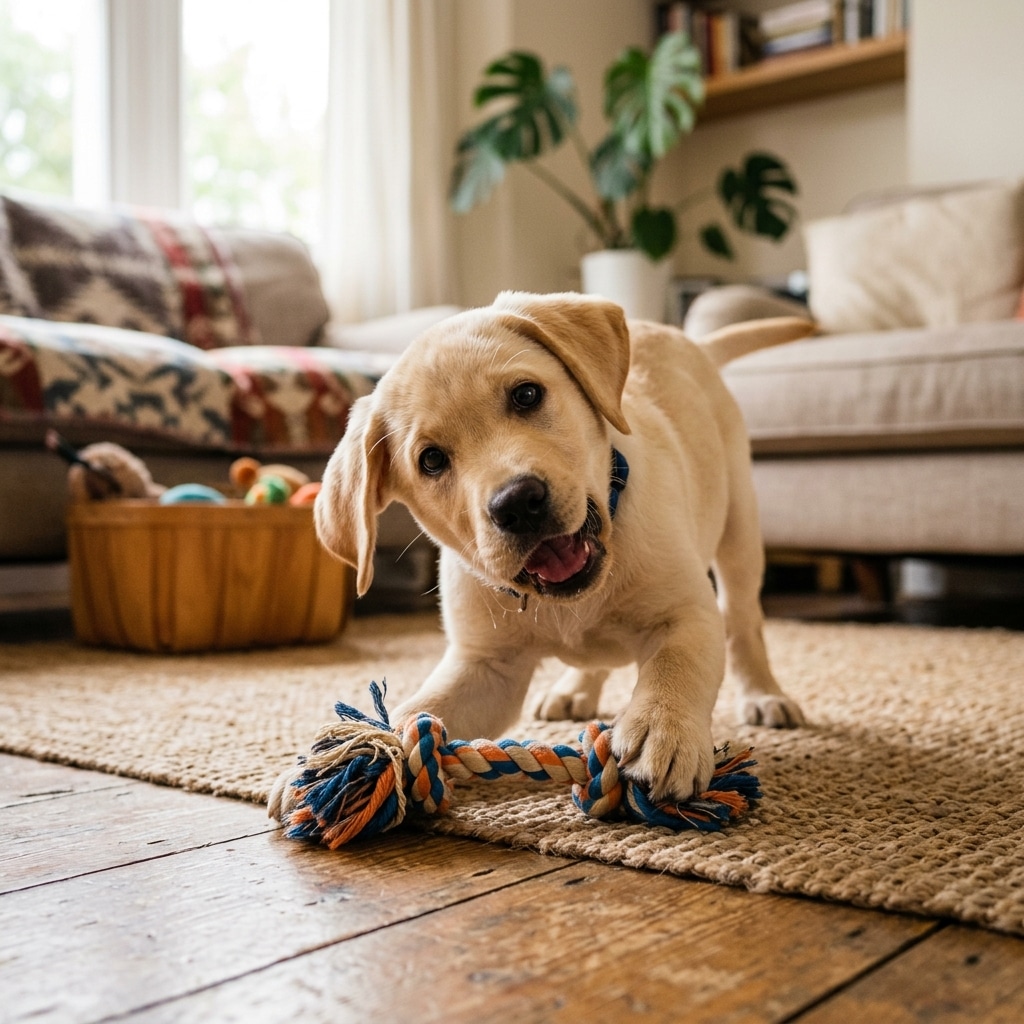
Adult Labs are wonderful. Puppy Labs are absolute goblins. They sprint through the house, chew furniture, eat socks, forget they need to pee until the final possible second, then panic. Many owners say potty training a Lab puppy feels like trying to reason with a hyperactive eight-year-old after three energy drinks.
24. Boxer
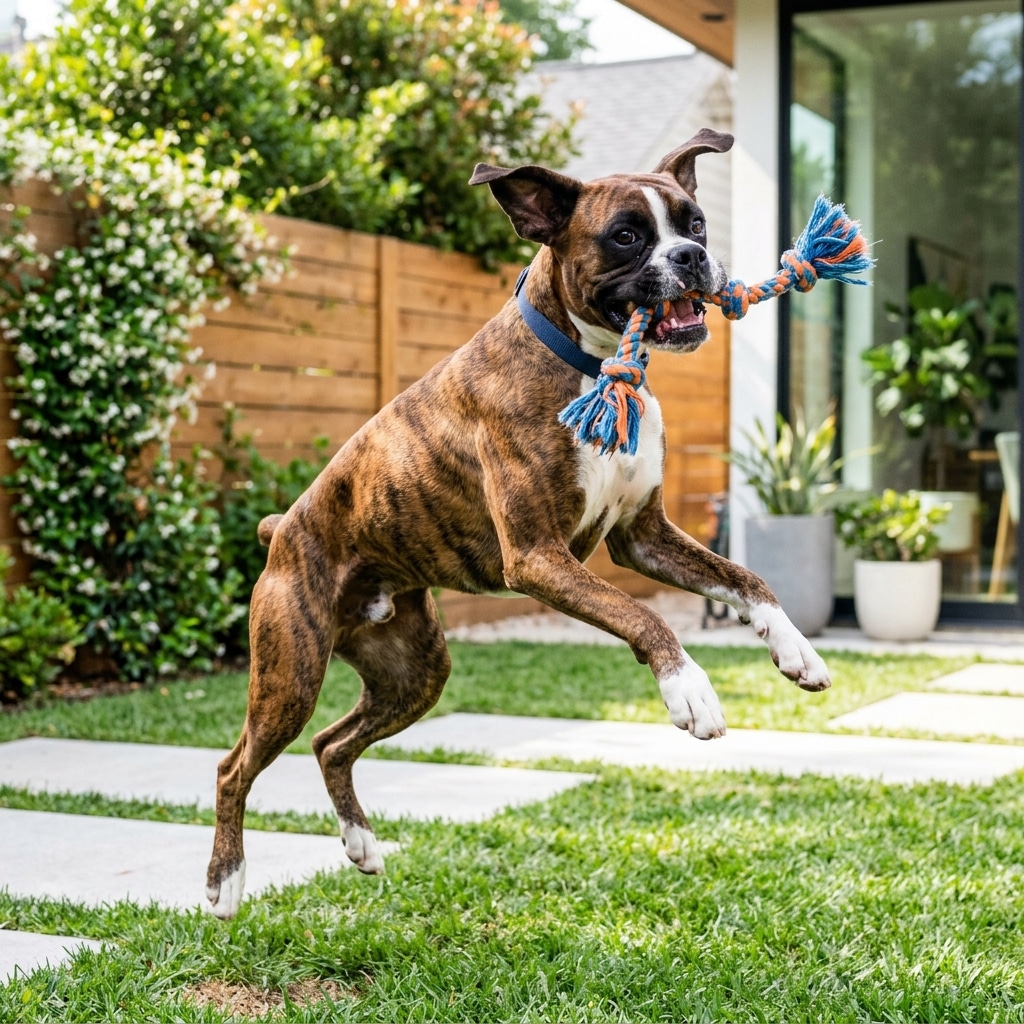
Boxers stay emotionally chaotic for an unbelievably long time. Many owners describe finally making potty-training progress, only for the dog to get overexcited during playtime and completely lose all self-control again. Living with a young Boxer can feel like sharing your home with an enthusiastic wrecking ball.
23. Jack Russell Terrier
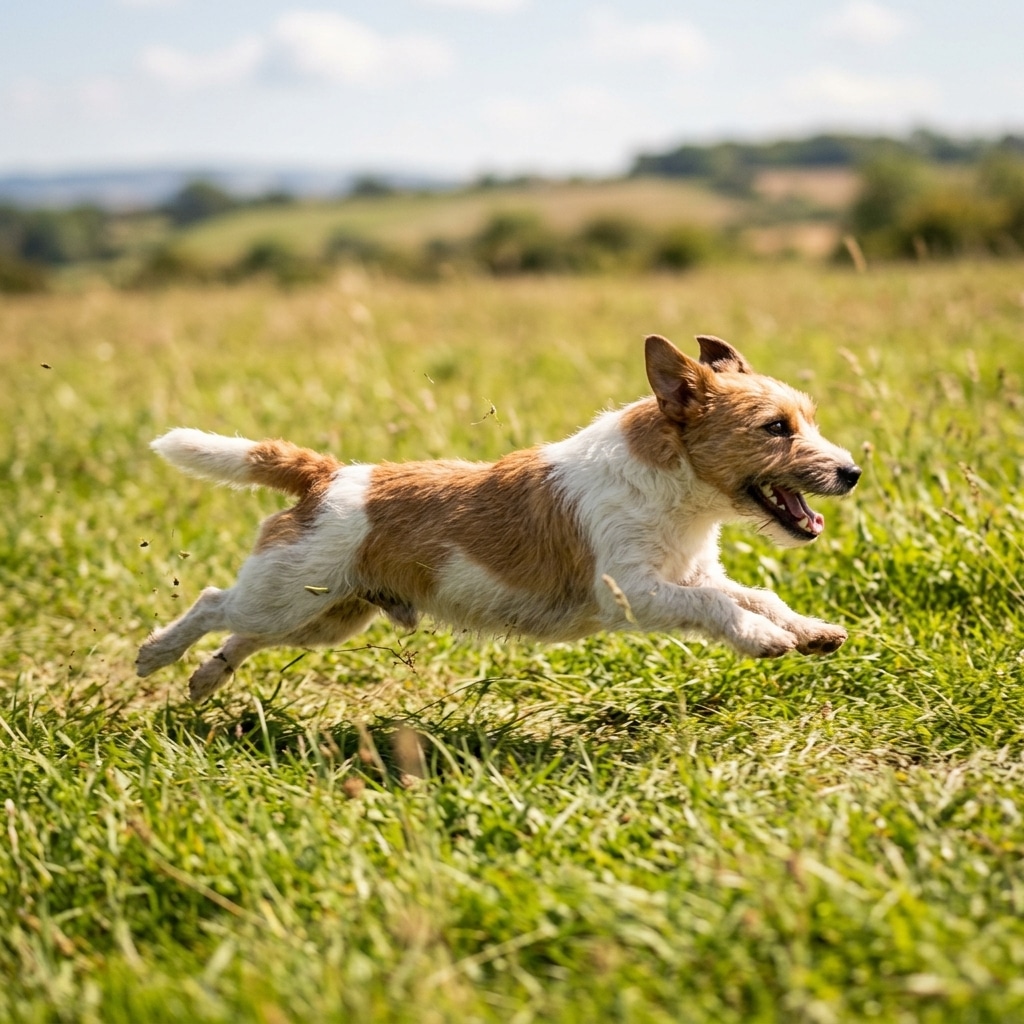
Jack Russells are tiny dogs powered by criminal energy. They move constantly, think constantly, and get bored almost immediately. Potty training becomes difficult because their brains are always searching for the next exciting thing. Owners often say they spend half the day redirecting chaos before they can even think about consistency.
22. Dalmatian
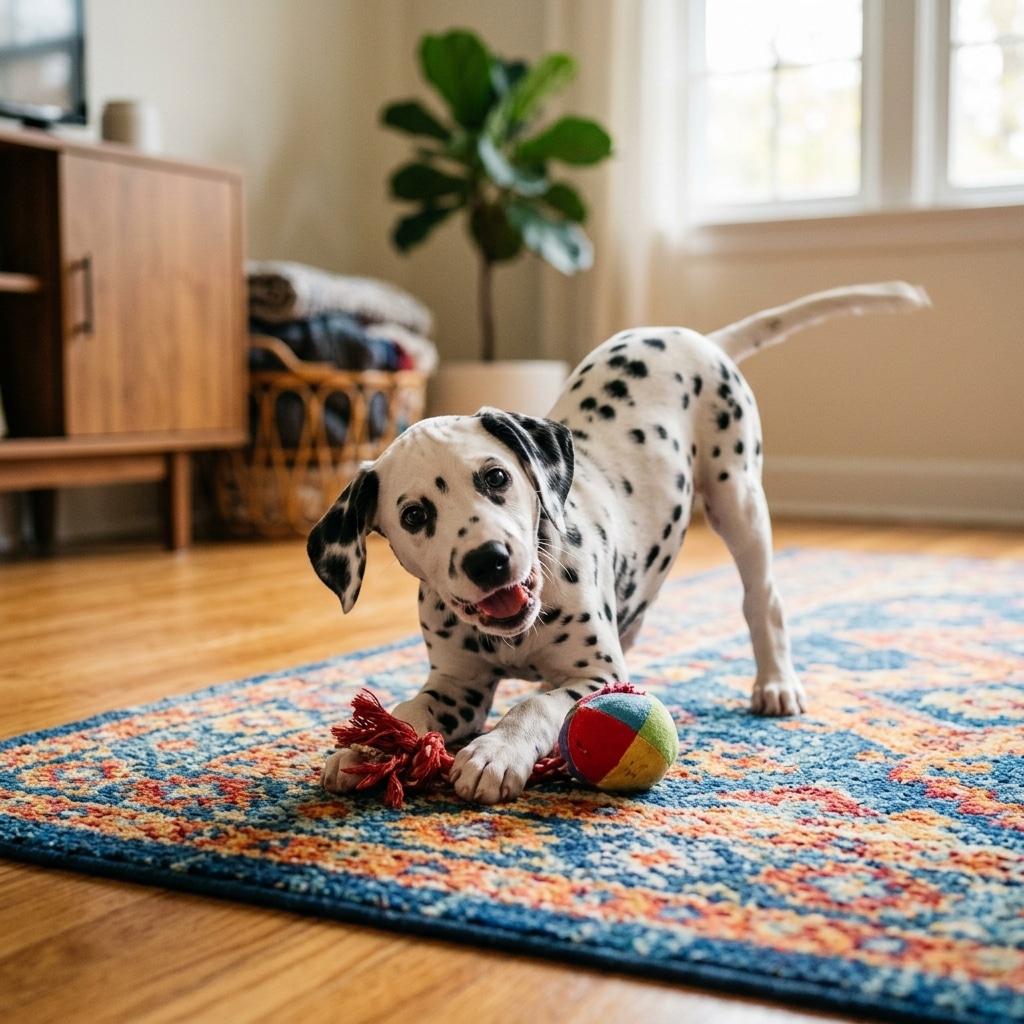
Dalmatians often struggle in normal family households simply because they become restless so quickly. A bored Dalmatian tends to spiral into destructive or chaotic behavior fast. Potty-training setbacks often happen because the dog is mentally under-stimulated and physically wound up all day.
21. Weimaraner
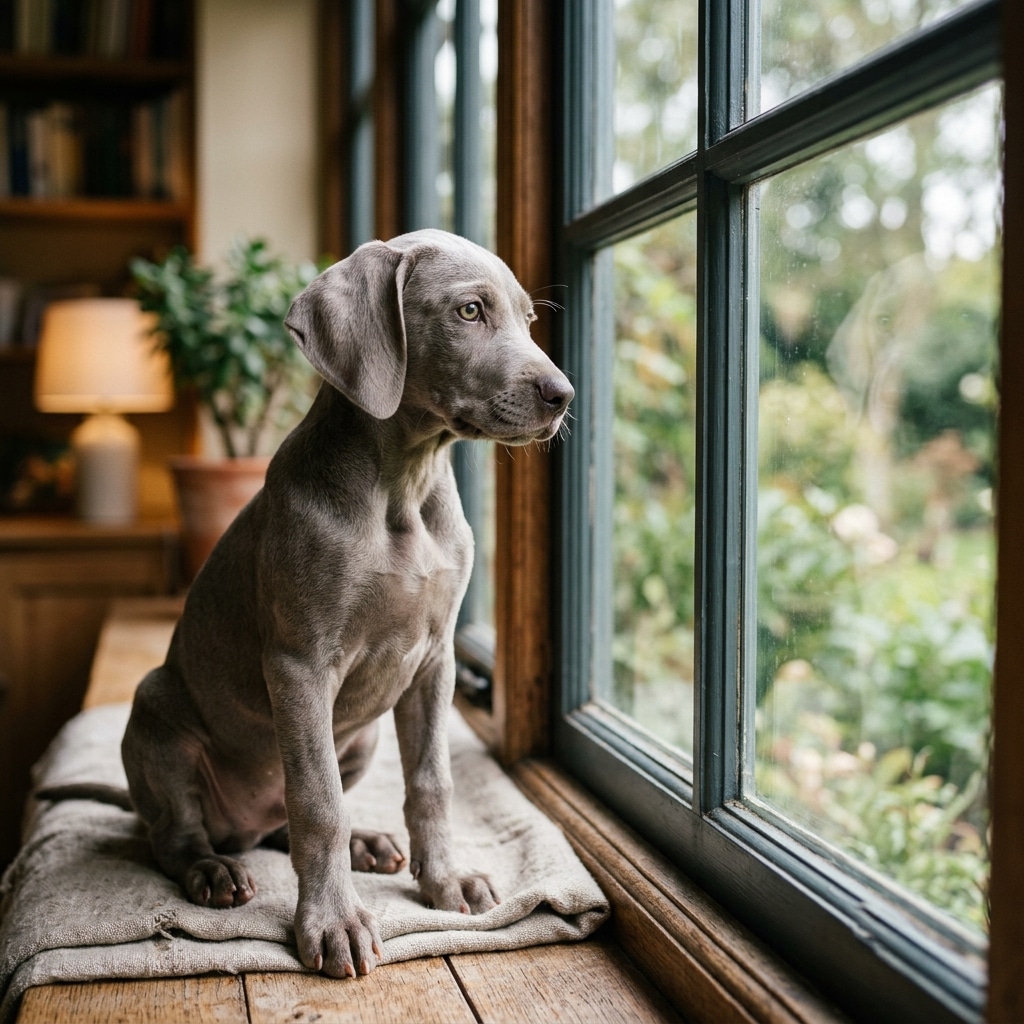
Weimaraners are emotionally intense velcro dogs. Many become anxious if left alone too long, which can lead to stress accidents and regression. Owners often say the dog follows them everywhere so closely that they stop feeling like they own personal space anymore.
20. Siberian Husky
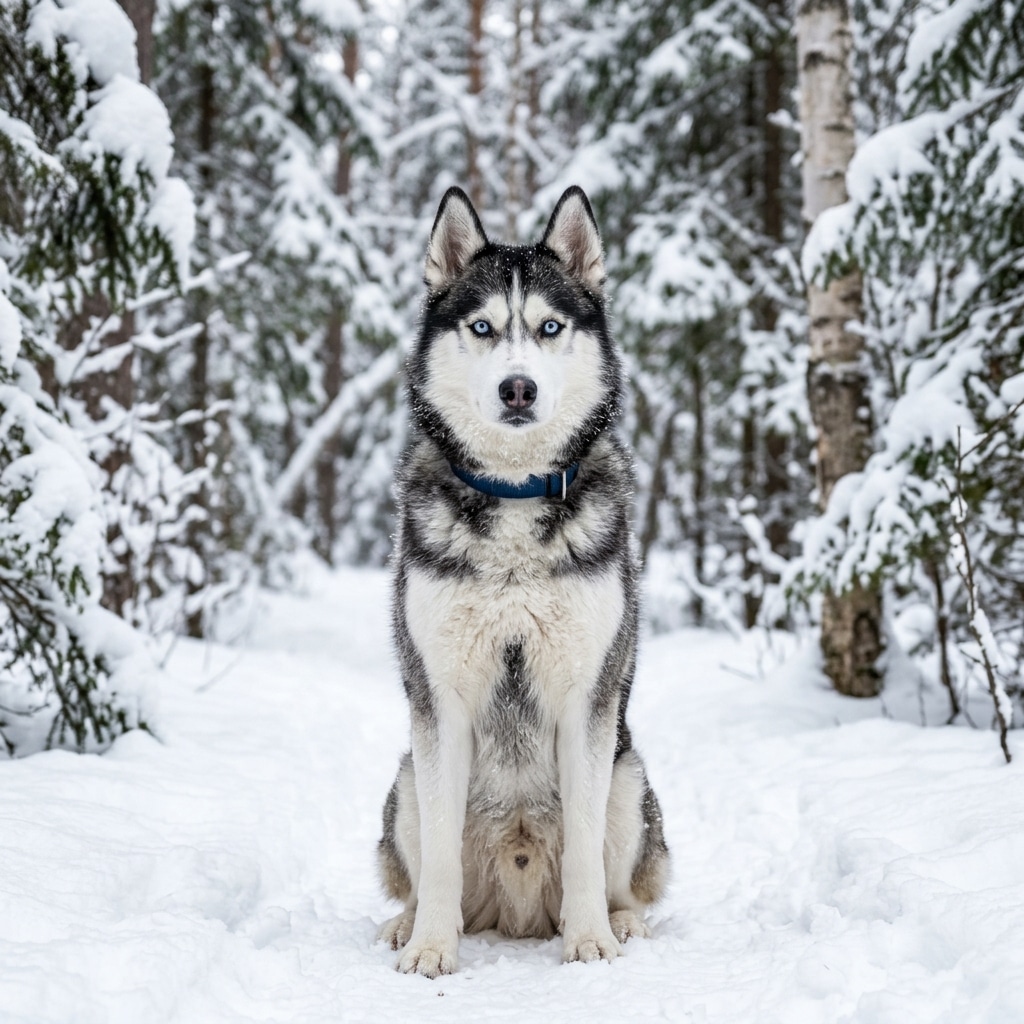
Owners joke that Huskies do not have accidents. They make political statements.
These dogs are intelligent enough to understand potty training quickly, but stubborn enough to decide compliance is optional. Many owners describe taking their Husky outside repeatedly while the dog screams, eats snow, digs holes, and ignores the entire purpose of the trip.
19. Alaskan Malamute
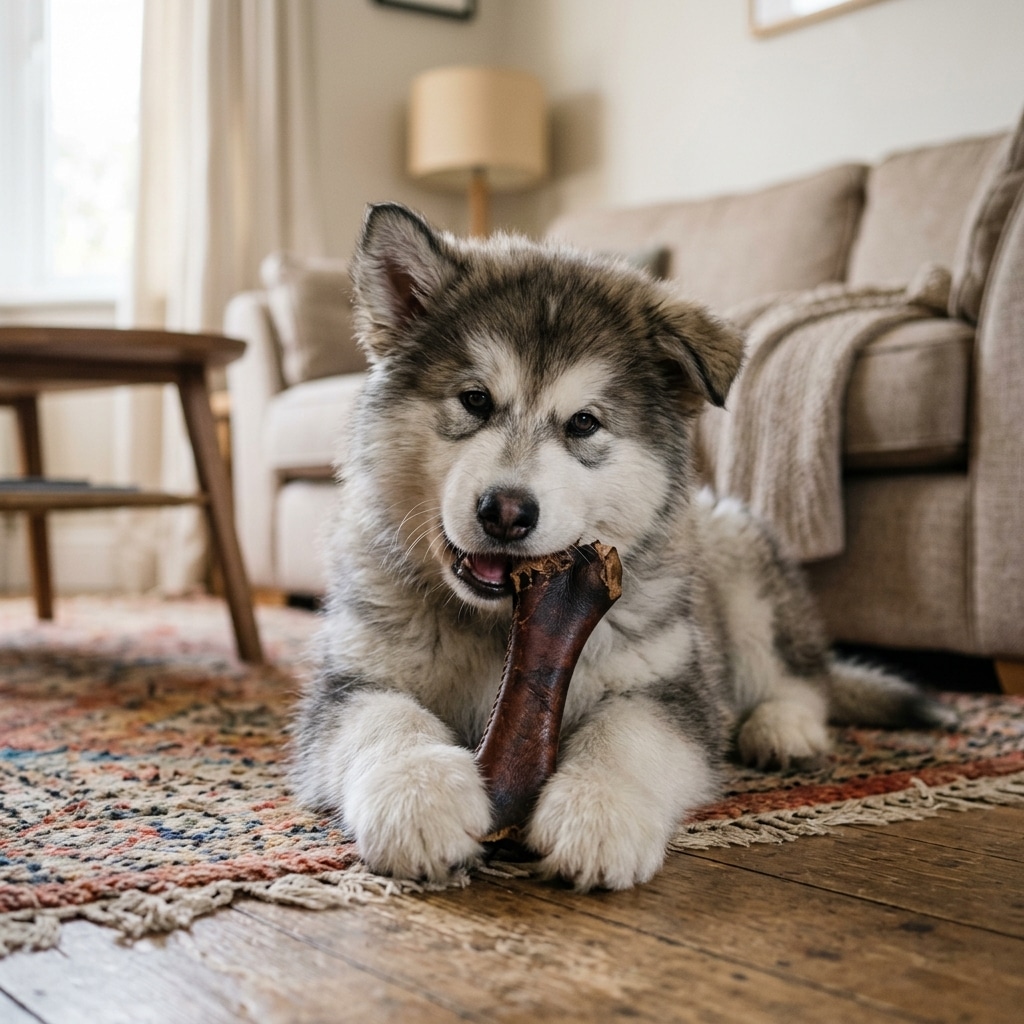
Malamutes combine Husky stubbornness with even more physical power. Some owners say their Malamute would stare directly at them after being told to go potty, then calmly walk away like an employee ignoring an email from management. They are smart dogs. They are just deeply unconcerned with your priorities.
18. Basenji
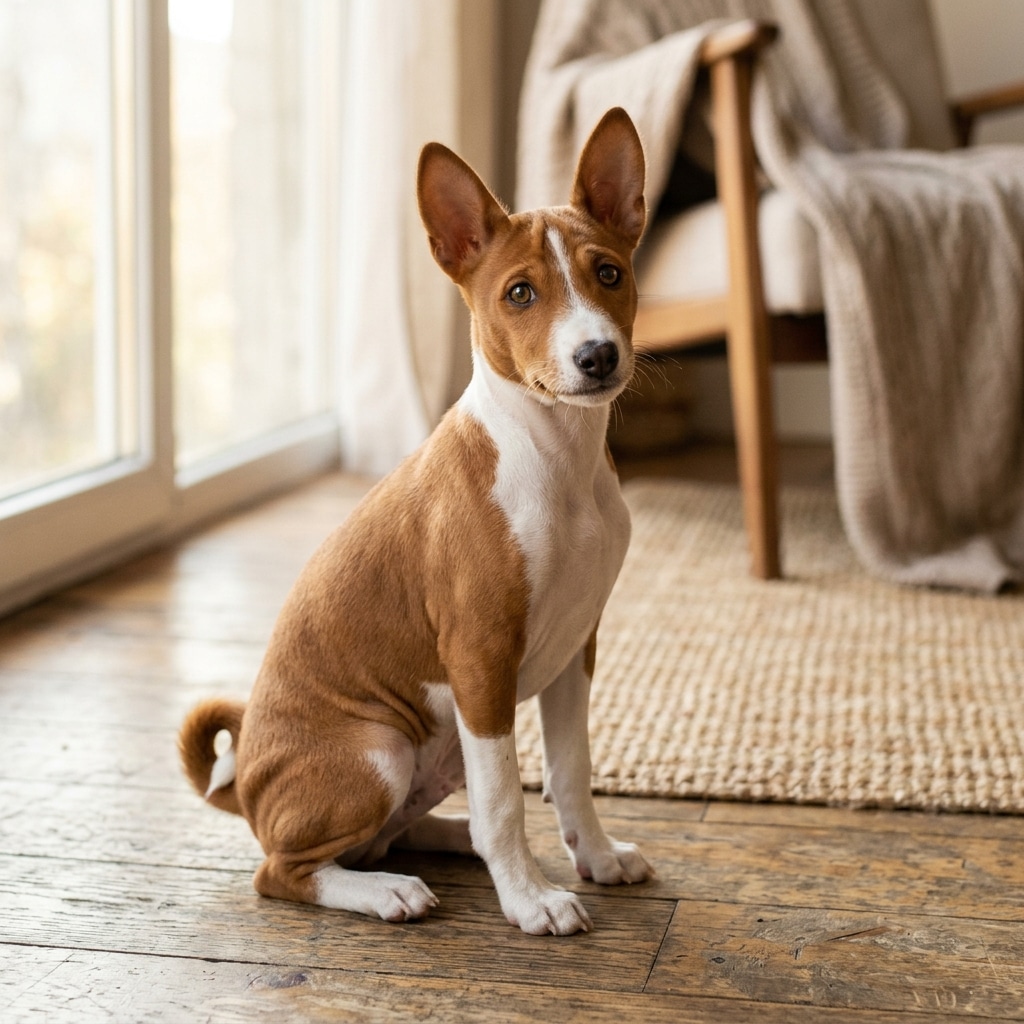
Basenjis often feel less like dogs and more like tiny roommates who resent supervision. They are clean dogs overall, but they are also famously stubborn and emotionally independent. If conditions outside are inconvenient, many owners say the Basenji simply decides the house will work fine instead.
17. Shiba Inu

Shibas can be incredibly frustrating because they are smart enough to appear fully trained right before randomly regressing again. Owners often describe getting their hopes up after two perfect weeks… only to find a fresh accident beside the dining table for absolutely no reason. They tend to approach rules more like suggestions.
16. Afghan Hound
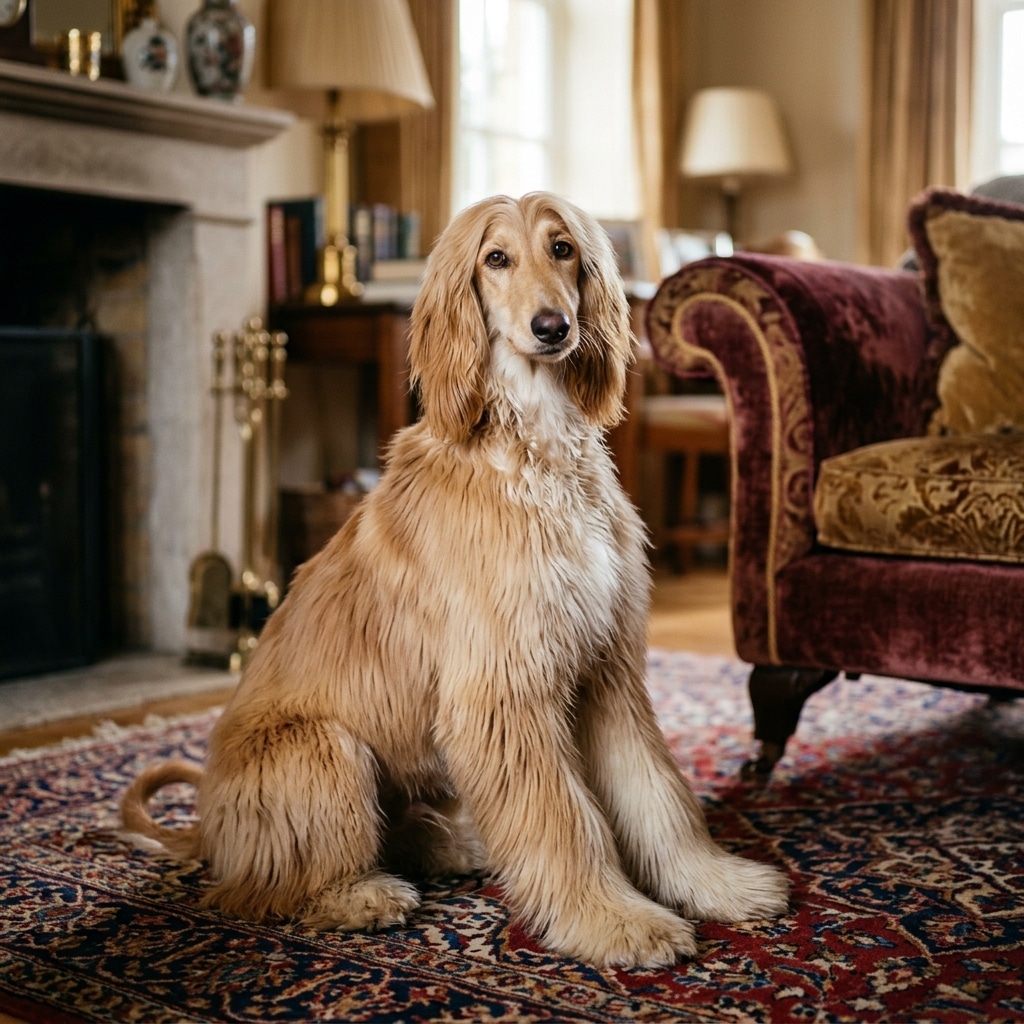
Afghan Hounds carry themselves like aristocrats and sometimes train like aristocrats too. Many owners say these dogs act emotionally detached during training, as if the entire process is beneath them. Potty training can become exhausting because motivation comes and goes entirely on the dog’s terms.
15. Portuguese Podengo
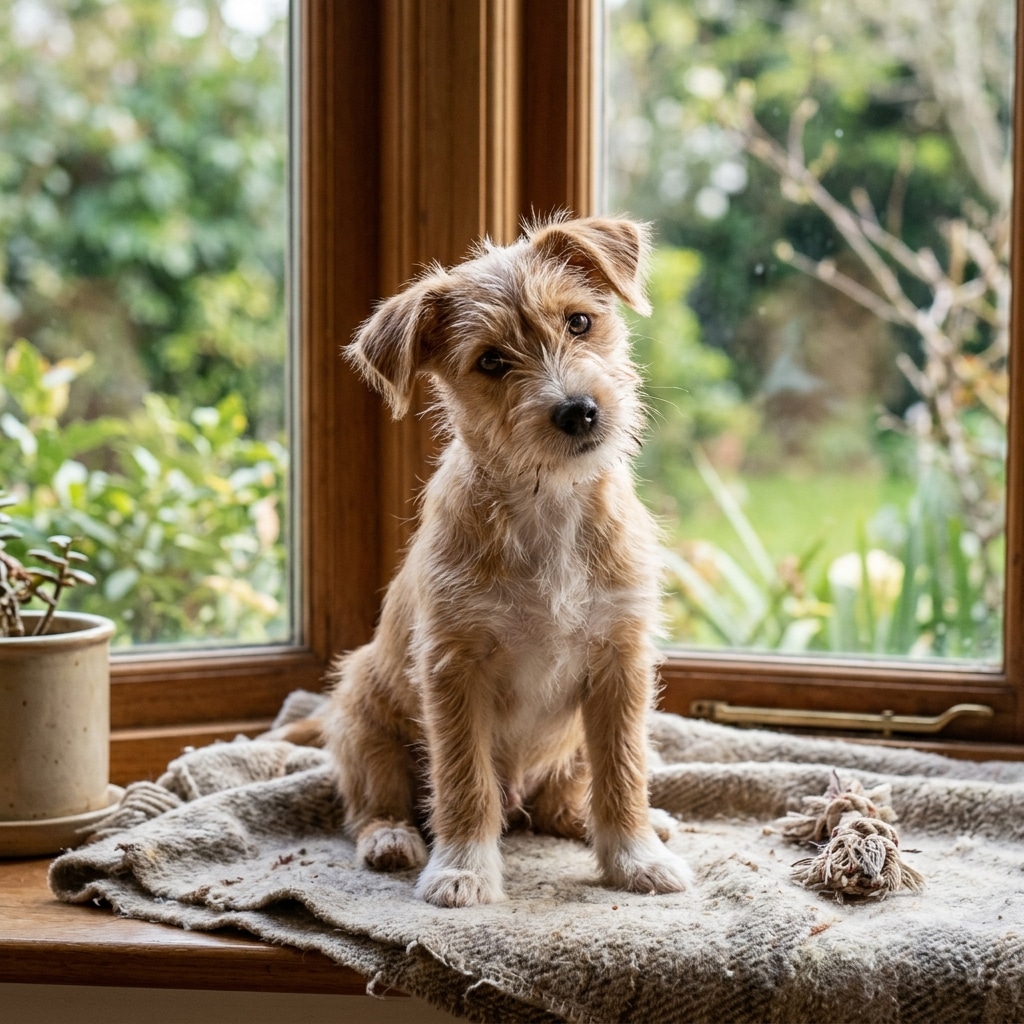
Portuguese Podengos are smart hunting dogs with brains constantly scanning for stimulation. You take them outside to pee, but halfway through they suddenly become obsessed with a smell, a bird, or a moving leaf and mentally leave the conversation. Owners often say maintaining focus is the hardest part.
14. Ibizan Hound
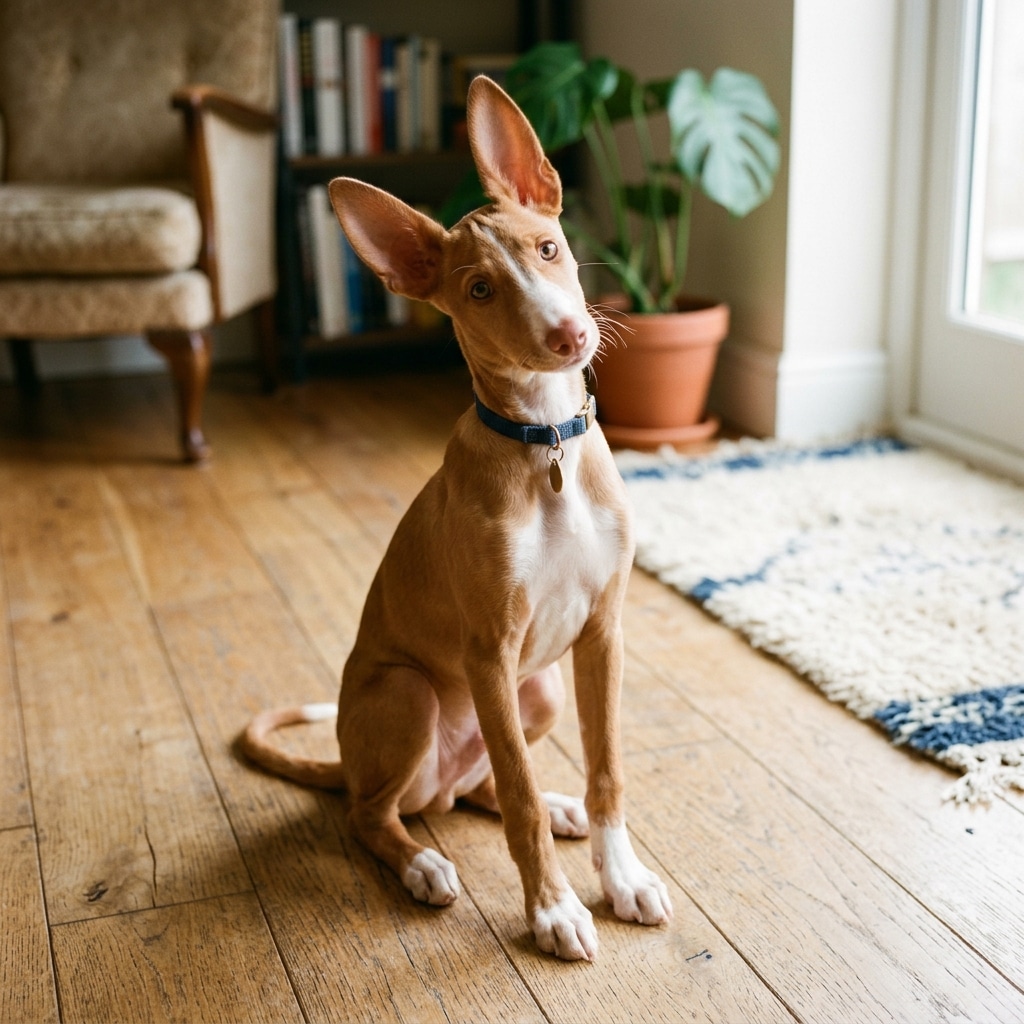
Ibizan Hounds are graceful athletes with intense prey drive and extremely independent minds. Potty training can feel exhausting because the dog gets distracted by literally everything outside. Some owners say their Ibizan looked physically present during training while mentally vacationing somewhere else entirely.
13. Australian Shepherd
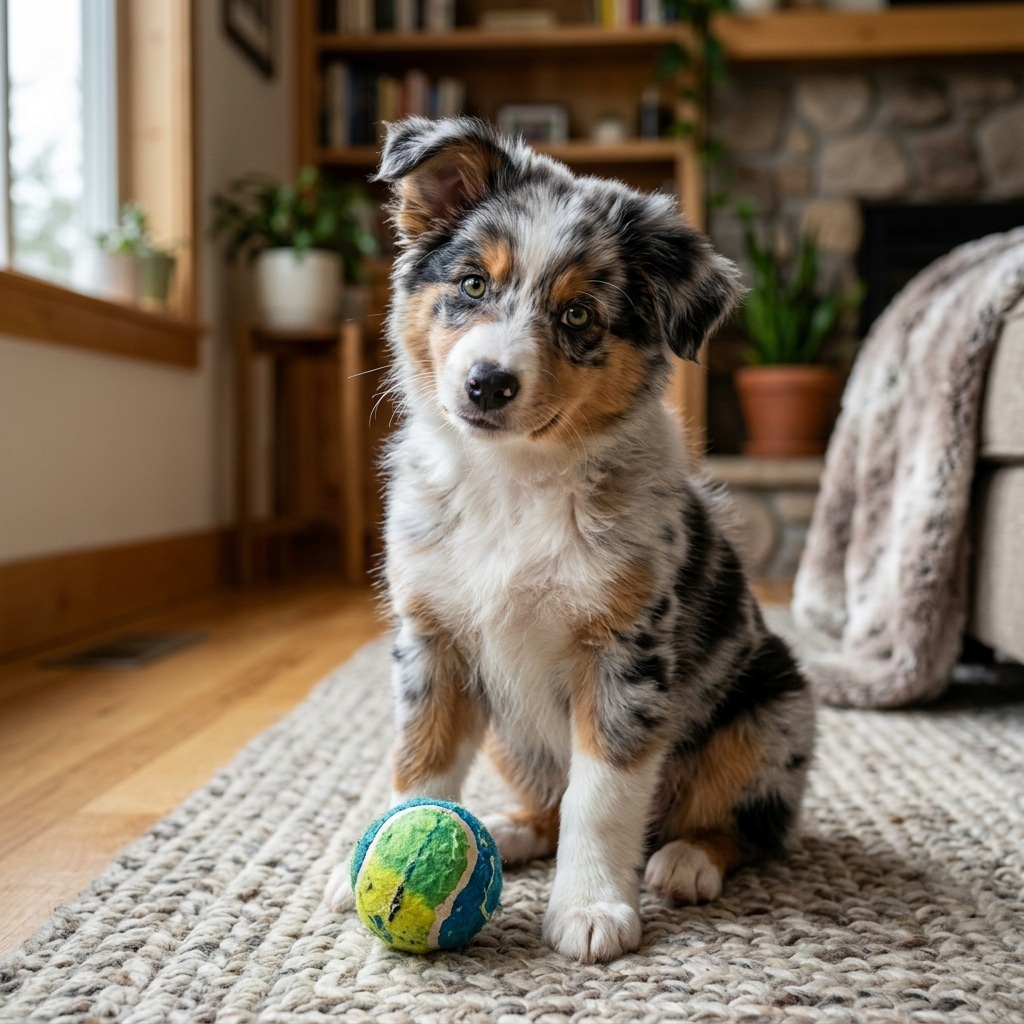
Australian Shepherds are so intelligent that boredom alone can create behavioral problems. Potty-training setbacks often happen because the dog becomes mentally frustrated or overstimulated. Many owners discover the hard way that an Aussie who lacks structure will invent its own routines, and you probably will not like them.
12. Border Collie
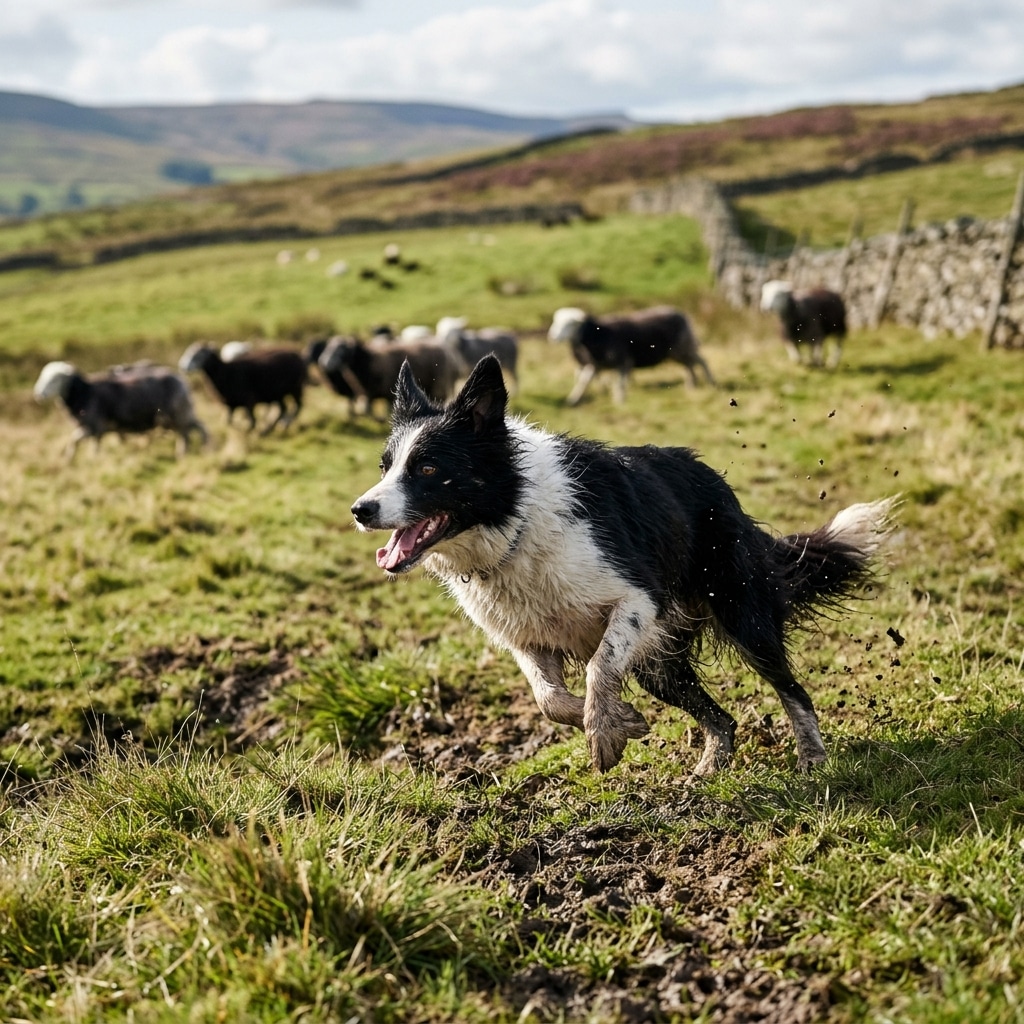
Border Collies absorb stimulation like emotional sponges. If the environment feels stressful, chaotic, inconsistent, or overwhelming, many become anxious very quickly. Potty-training regressions often happen not because the dog is dumb, but because the dog’s brain is running nonstop all day long.
11. Pit Bull Terrier
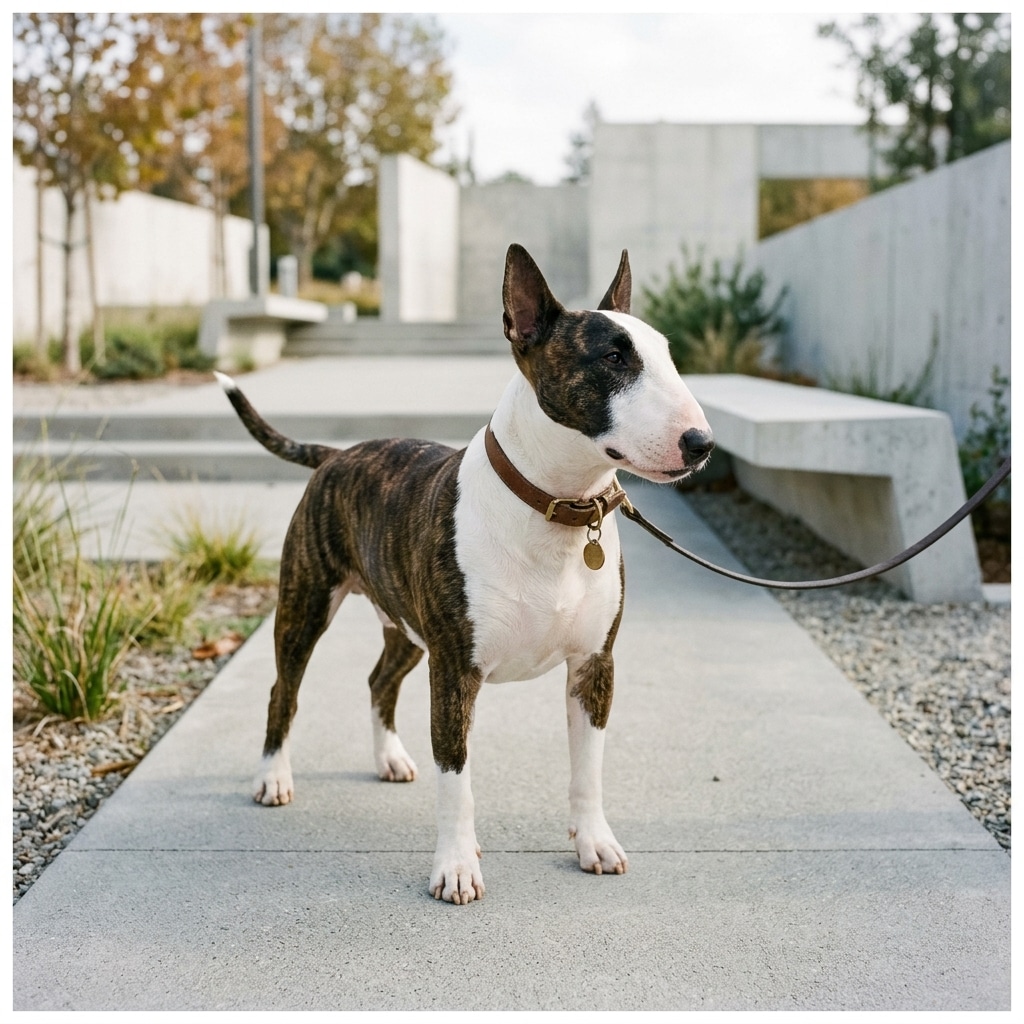
Pit Bulls vary enormously depending on breeding and upbringing, but many owners underestimate their energy levels and emotional intensity. Potty-training issues often come from routines falling apart once the dog becomes bored, under-exercised, or overstimulated. Owners who succeed with them usually become extremely structured and consistent.
10. Shar Pei
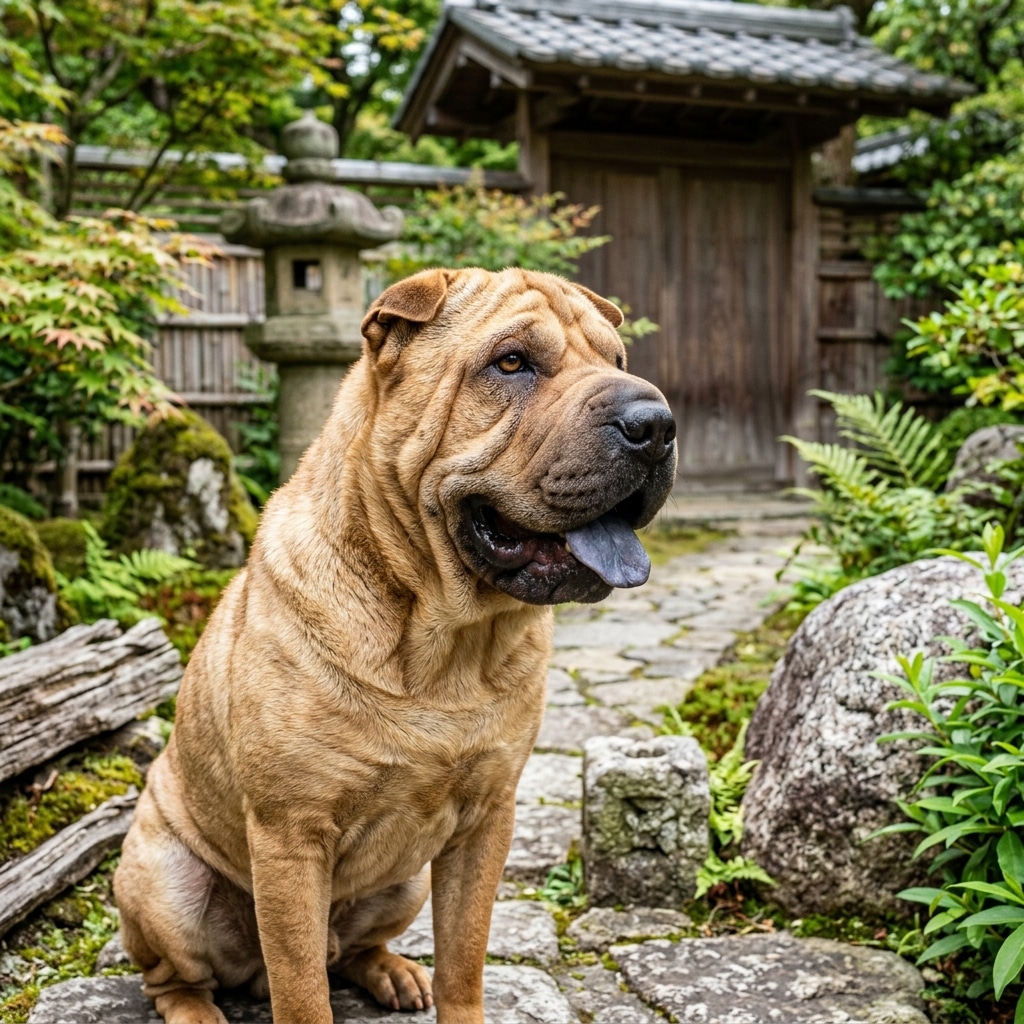
Shar Peis are stubborn in a very quiet, emotionally exhausting way. They are not dramatic dogs. They simply stop cooperating. Many owners say harsh correction completely backfires, while repetitive routines cause the dog to mentally check out. Potty training a Shar Pei often becomes a long game of patience.
9. Chow Chow
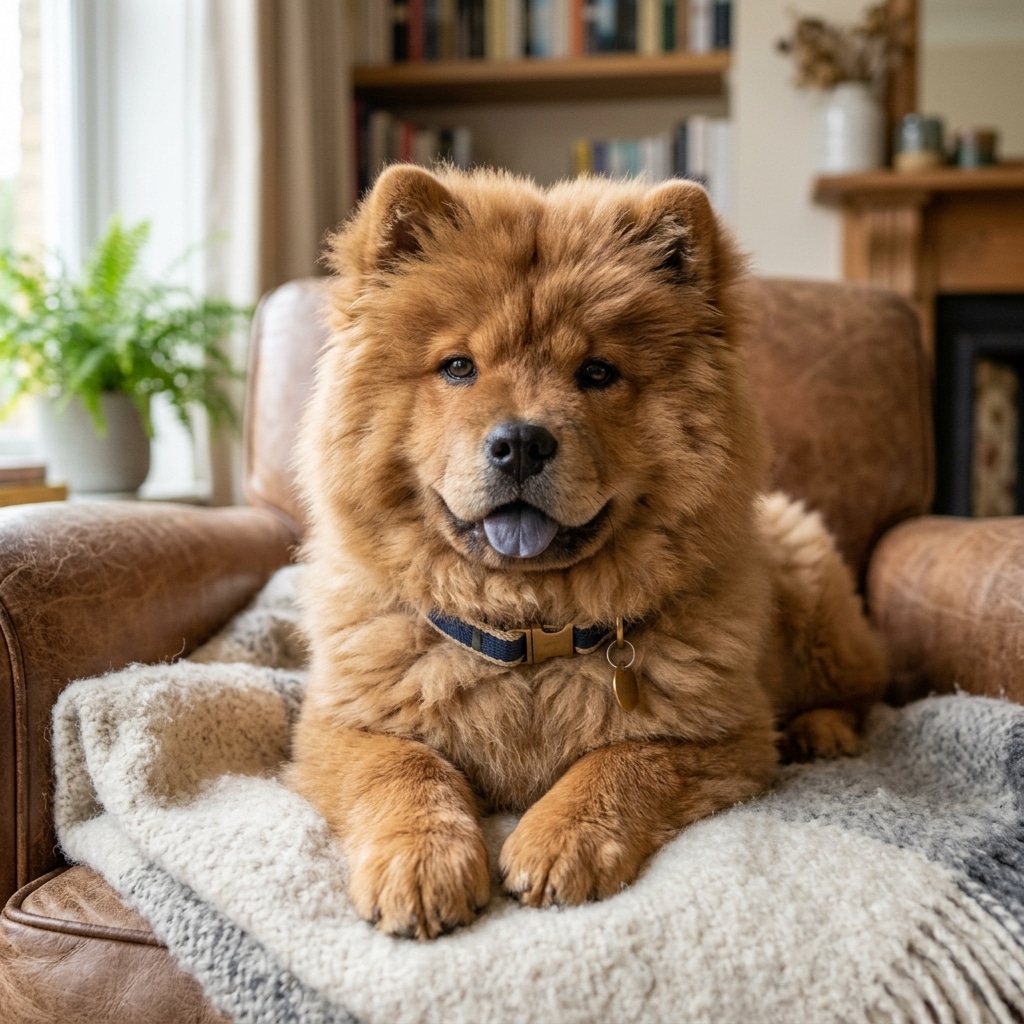
People see a fluffy teddy bear and imagine a cuddly family dog. Then the Chow arrives and acts like a suspicious landlord evaluating your worthiness. Many owners say the hardest part is convincing the dog that your rules actually deserve respect in the first place.
8. Akita
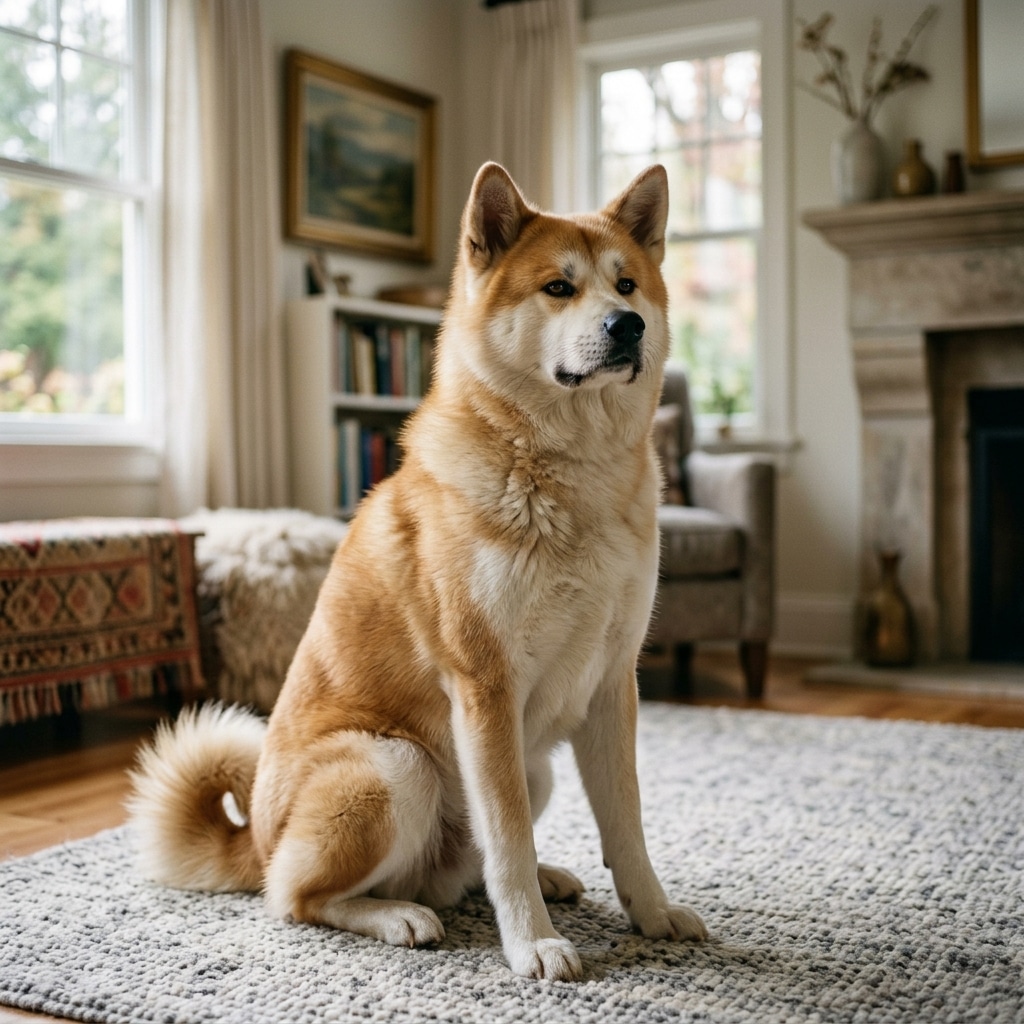
Akitas are powerful, intelligent, and extremely self-directed. Owners often describe potty training as a constant negotiation rather than obedience. Many say the dog clearly understood every command perfectly well while simultaneously deciding your authority was optional.
7. Great Pyrenees
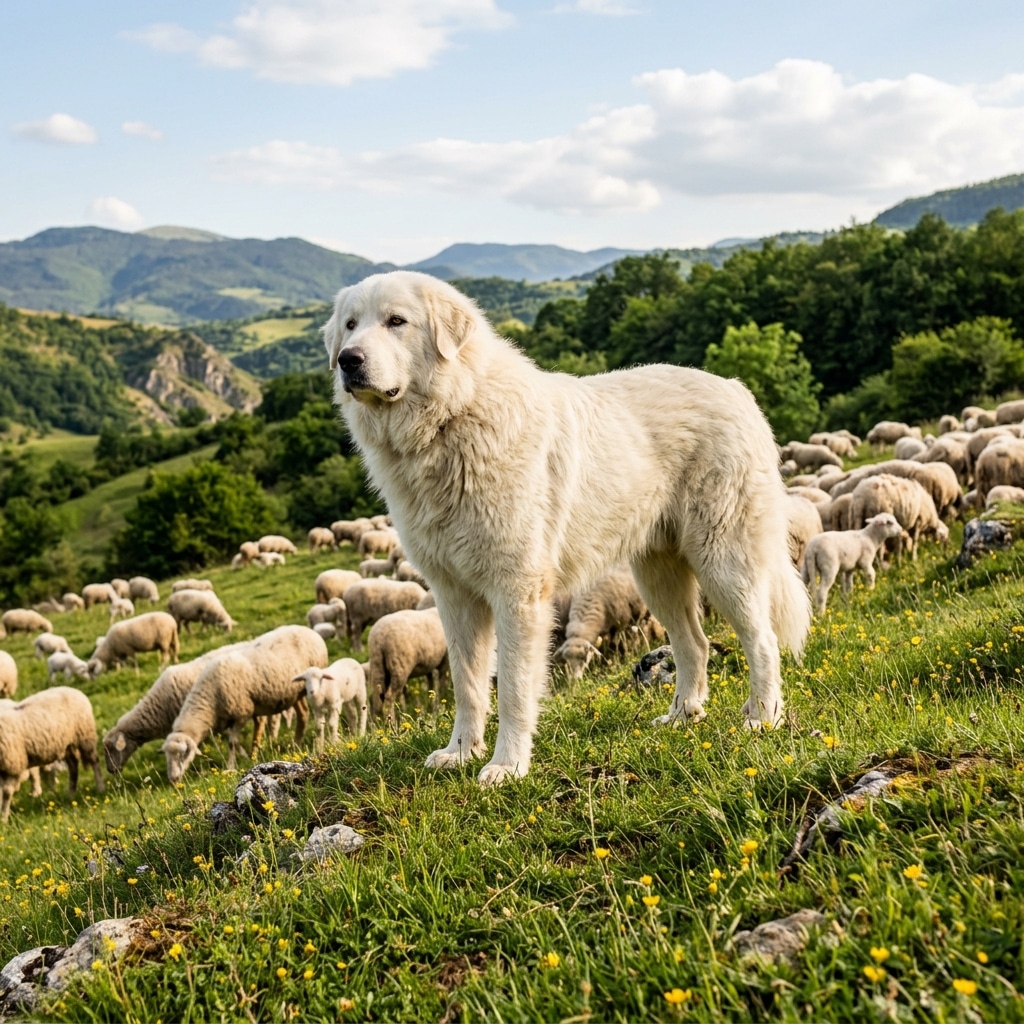
Great Pyrenees dogs were bred to guard livestock independently for hours at a time. That mindset never disappeared. Many owners say their Pyr would hear commands perfectly clearly, pause thoughtfully, then decide whether cooperation aligned with its personal values that day.
6. Anatolian Shepherd
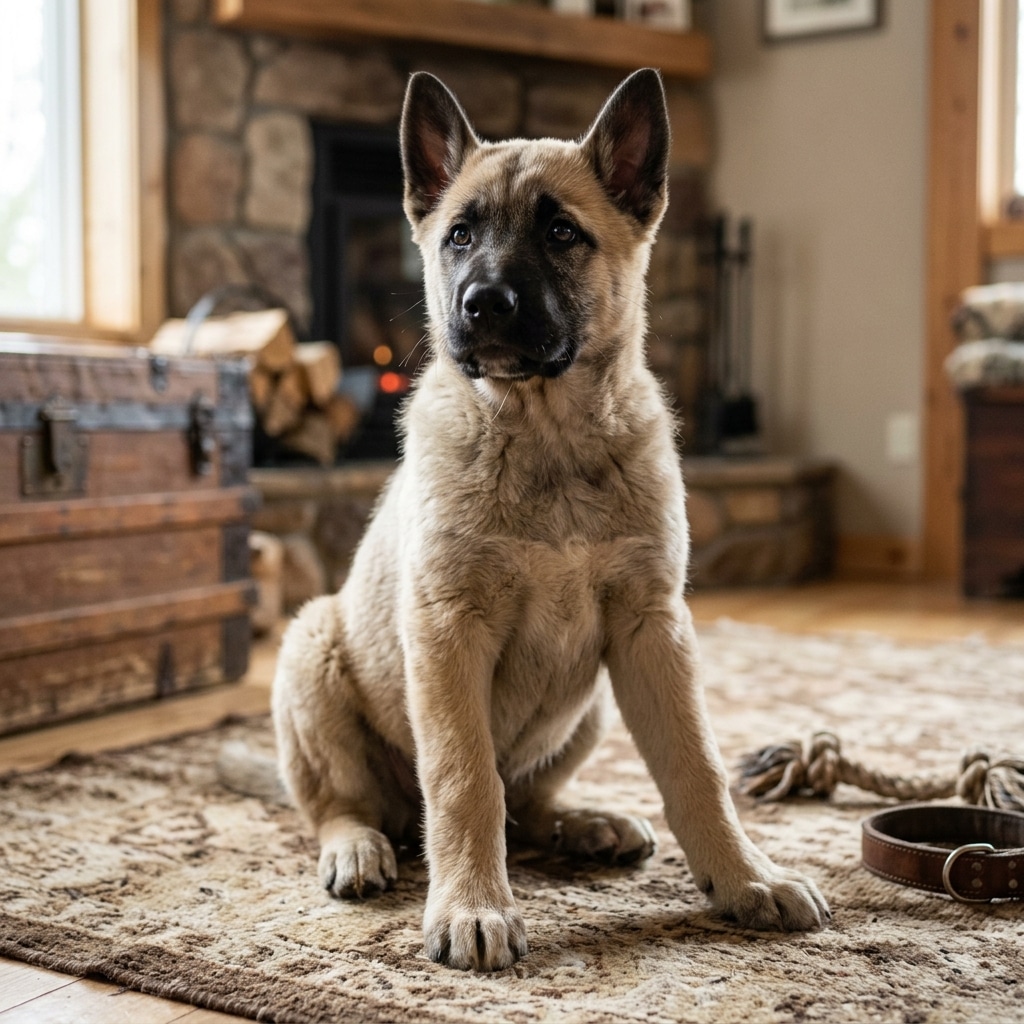
Anatolian Shepherds are calm, independent, and emotionally unbothered by human frustration. Potty training can become draining because these dogs are not naturally wired to seek approval. Owners often say the dog acts more like a coworker than a pet.
5. Tibetan Mastiff
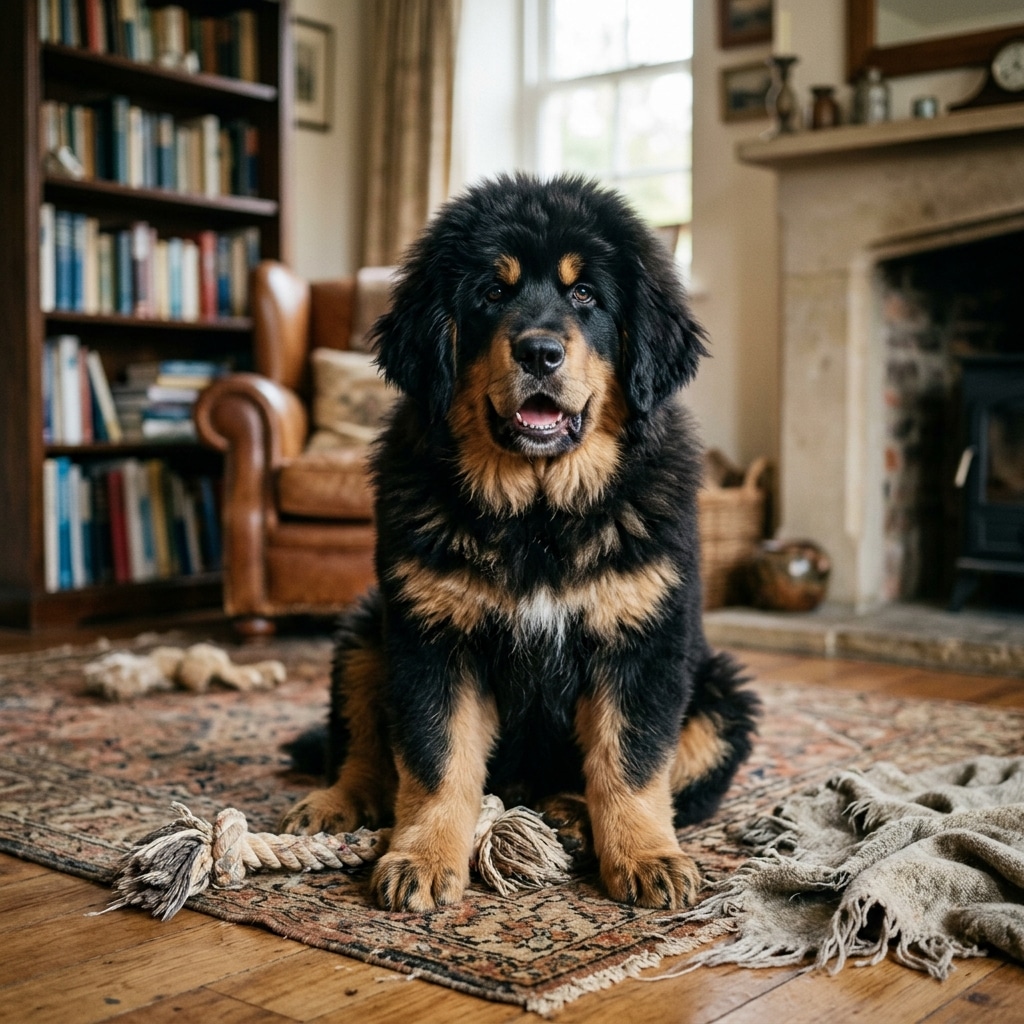
Tibetan Mastiffs are legendary for stubbornness, and owners frequently sound emotionally defeated describing them. These dogs fully understand routines, but many seem convinced they should have veto power over them. Potty training often becomes less about teaching and more about surviving a battle of wills.
4. Maremma Sheepdog
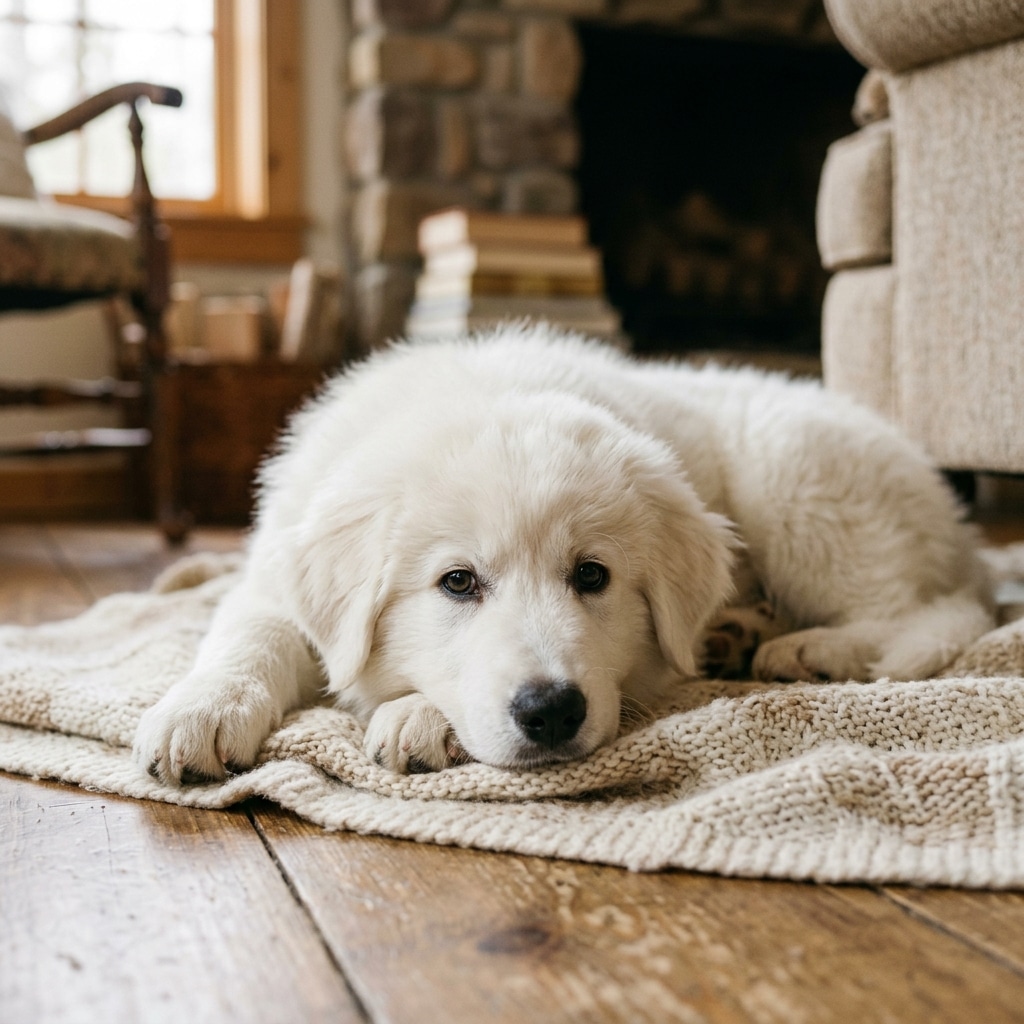
Maremmas were bred to live with livestock and make decisions without human guidance. That independence can make housebreaking feel endless. Many owners describe reaching a point where they stopped asking the dog to cooperate and started politely requesting it instead.
3. Belgian Malinois
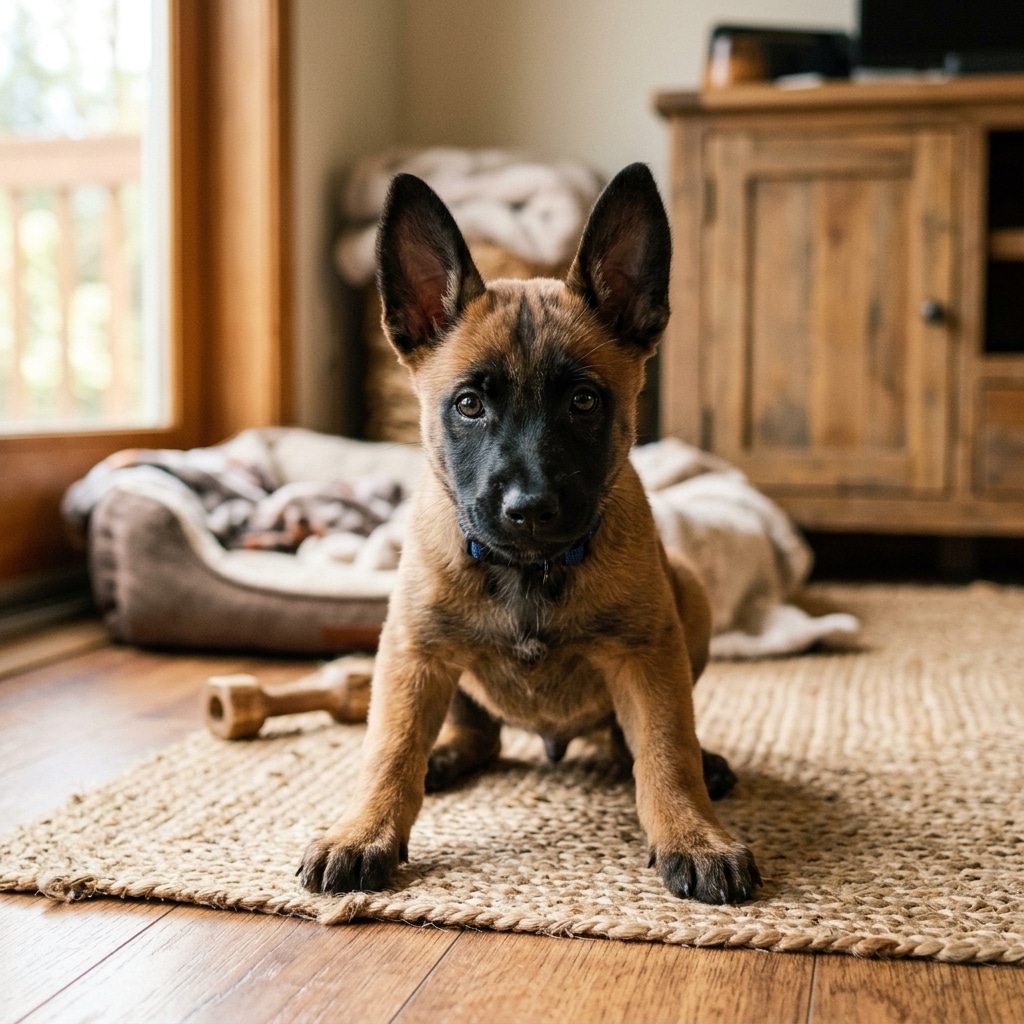
Belgian Malinois are incredible working dogs and absolute chaos in the wrong household. Potty training problems are usually only the beginning. These dogs need nonstop structure, exercise, mental stimulation, and routine. Many owners eventually realize the accidents are happening because the dog’s brain is basically vibrating at all times.
2. Caucasian Shepherd
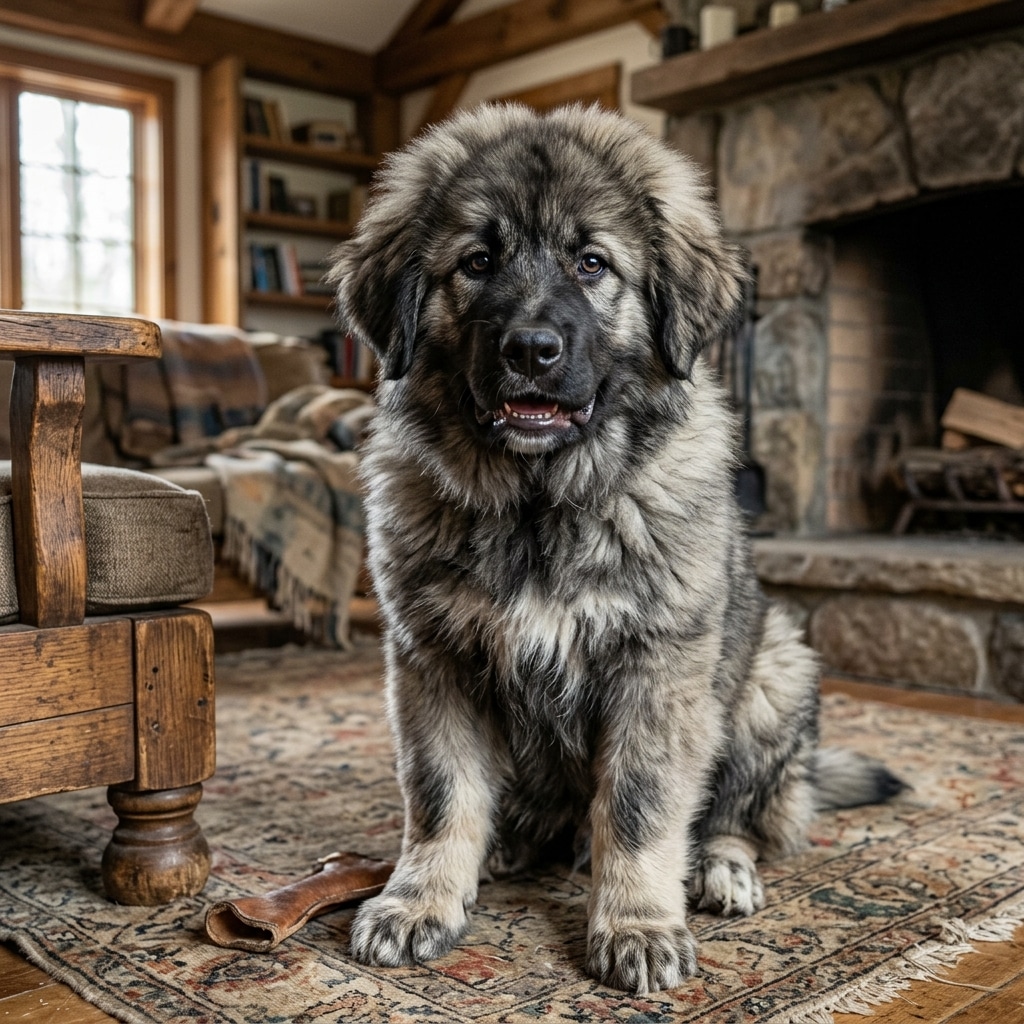
When a difficult dog also weighs over 100 pounds, every problem becomes more stressful. Caucasian Shepherds are massive guardian dogs with equally massive personalities. Owners often describe feeling mentally exhausted because the dog questions everything while also being physically powerful enough to ignore them completely.
1. Canaan Dog
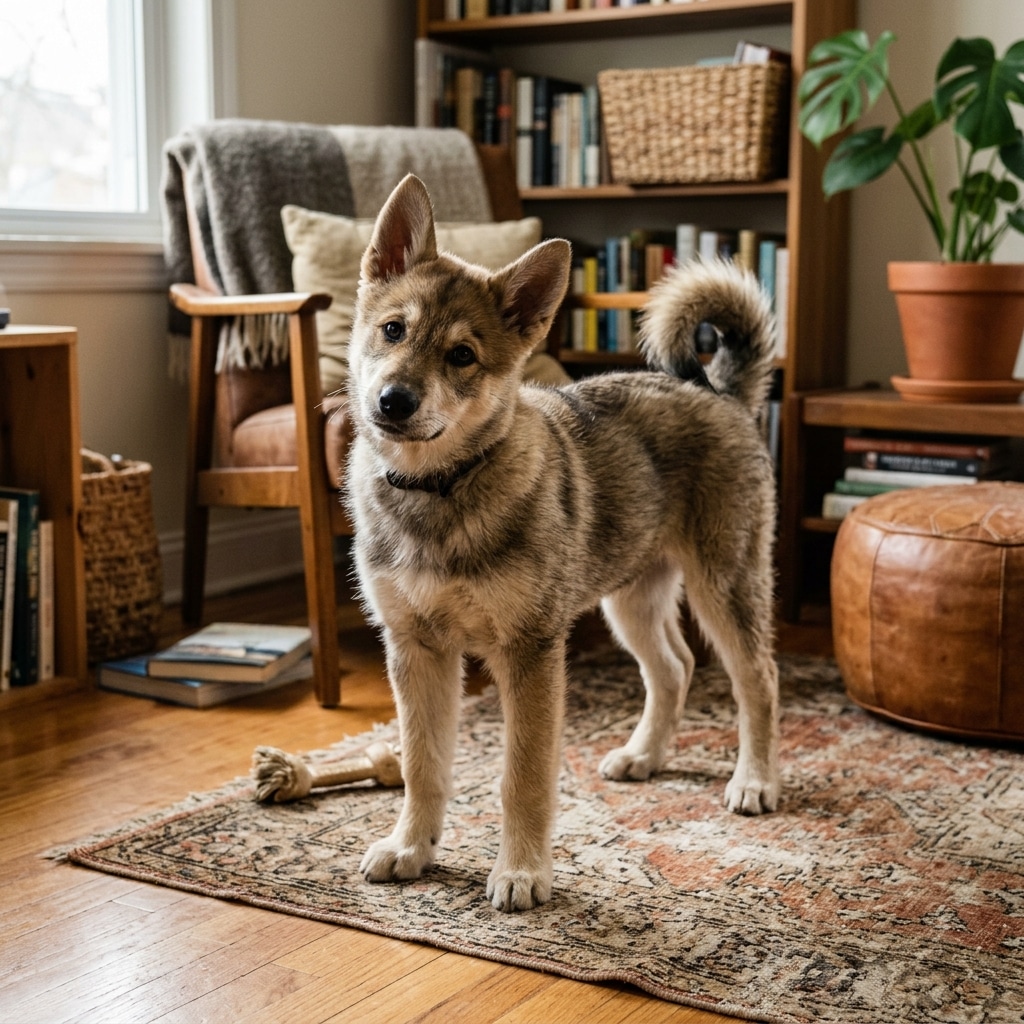
Canaan Dogs are intelligent, suspicious, independent, and emotionally self-directed. Potty training one can genuinely make experienced dog owners question themselves. Many owners describe endless cycles of progress, regression, confusion, and stubborn stand-offs. This is the kind of breed that leaves people standing outside in the rain at midnight wondering how a single animal managed to outsmart the entire household.

I am the founder and owner of Fauna Facts. My mission is to write valuable and entertaining information about animals and pets for my audience. I hope you enjoy the site!