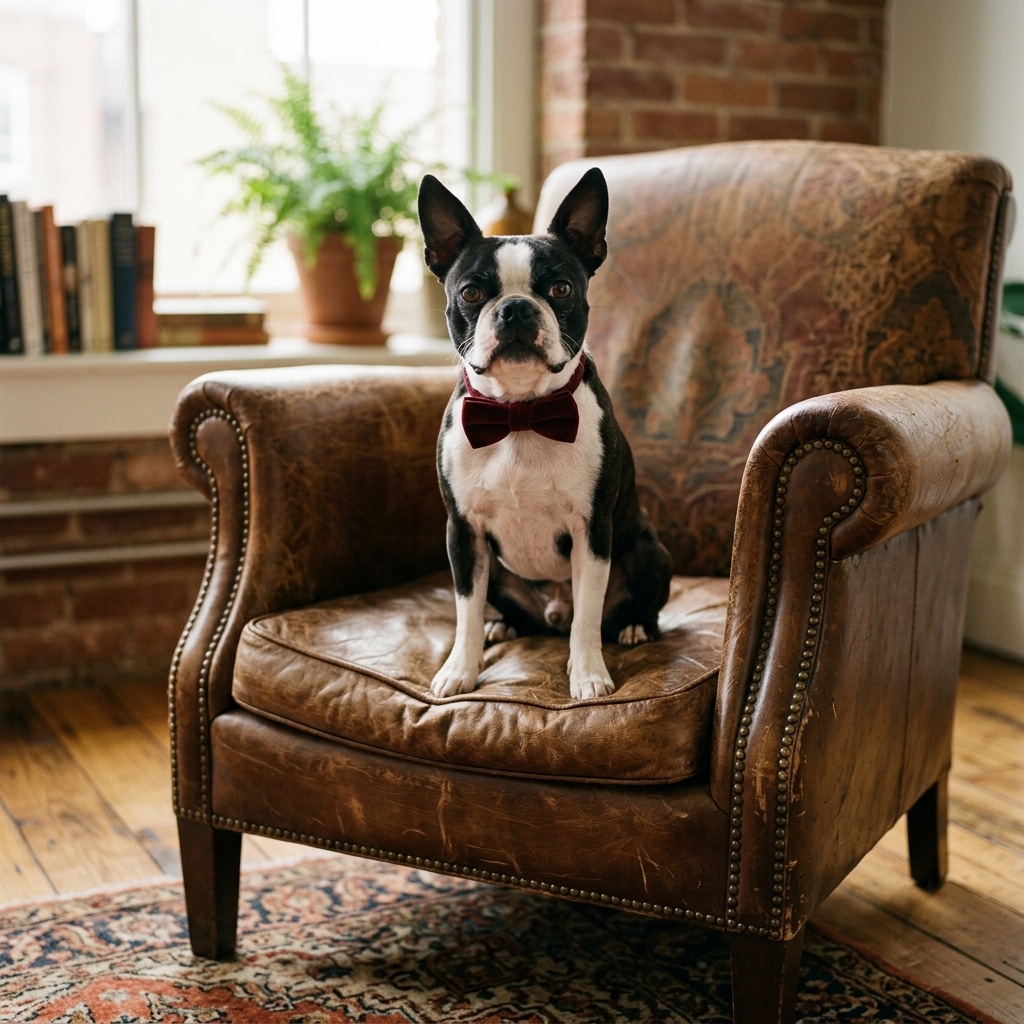
Dogs do not understand mortgages, office politics, or why humans suddenly decide to mop the floor at 9 PM. But they absolutely understand routines, attention, tone, energy, and emotional connection. A lot of dog owners accidentally hurt their dog’s feelings in tiny ways without ever realizing it. Most of the time, it comes from love — but from a human perspective instead of a dog’s. And once you start noticing these moments, you may never look at your dog the same way again.
32. Ignoring Their “Presents”
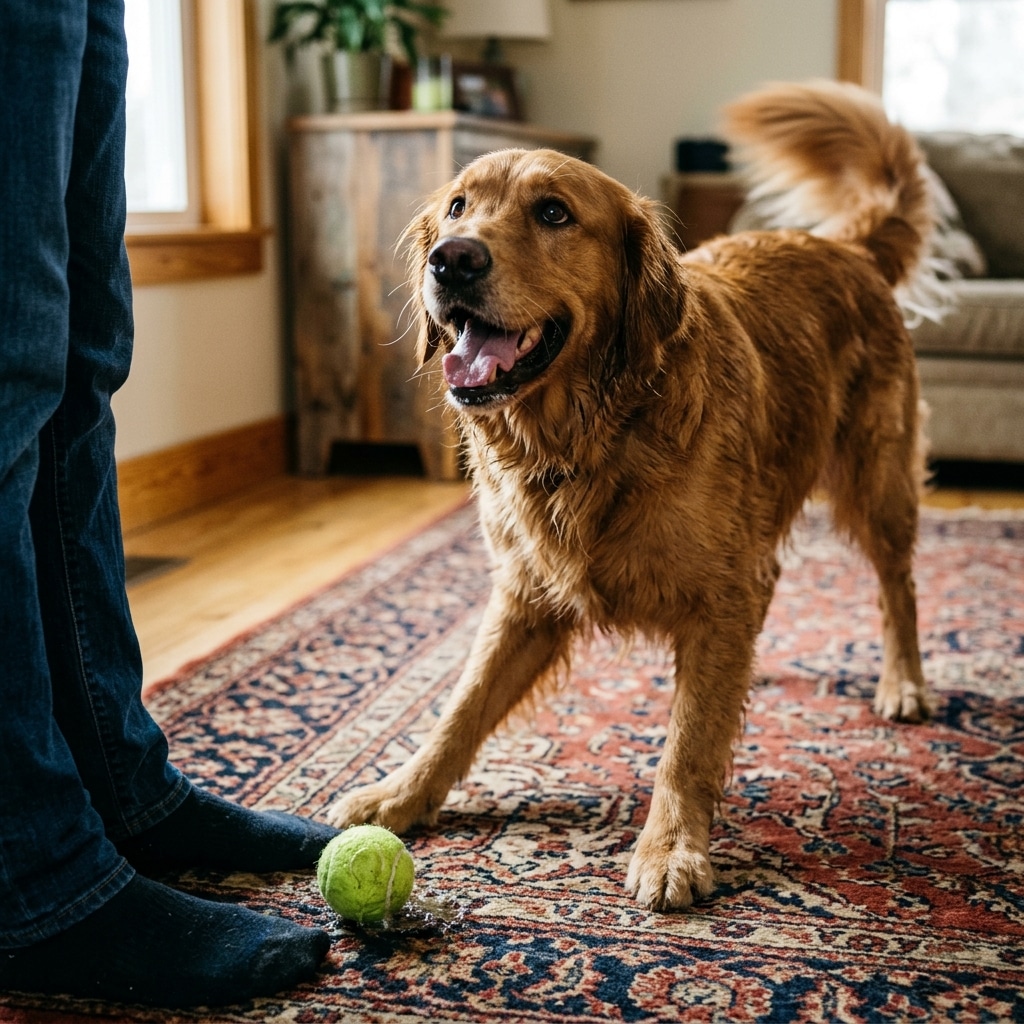
Dogs often bring you random objects because they are trying to connect with you. Sometimes it is a slobbery tennis ball. Sometimes it is your sock. Sometimes it is literally a stick they found outside and proudly carried home like treasure.
To a dog, this is social behavior. They are trying to share something with you.
When you barely react or completely ignore it, some dogs genuinely look disappointed. You do not have to throw the ball for thirty minutes every time. But even a quick smile, touch, or “thank you” tells them their effort mattered.
31. Greeting Other Dogs More Excitedly Than Them
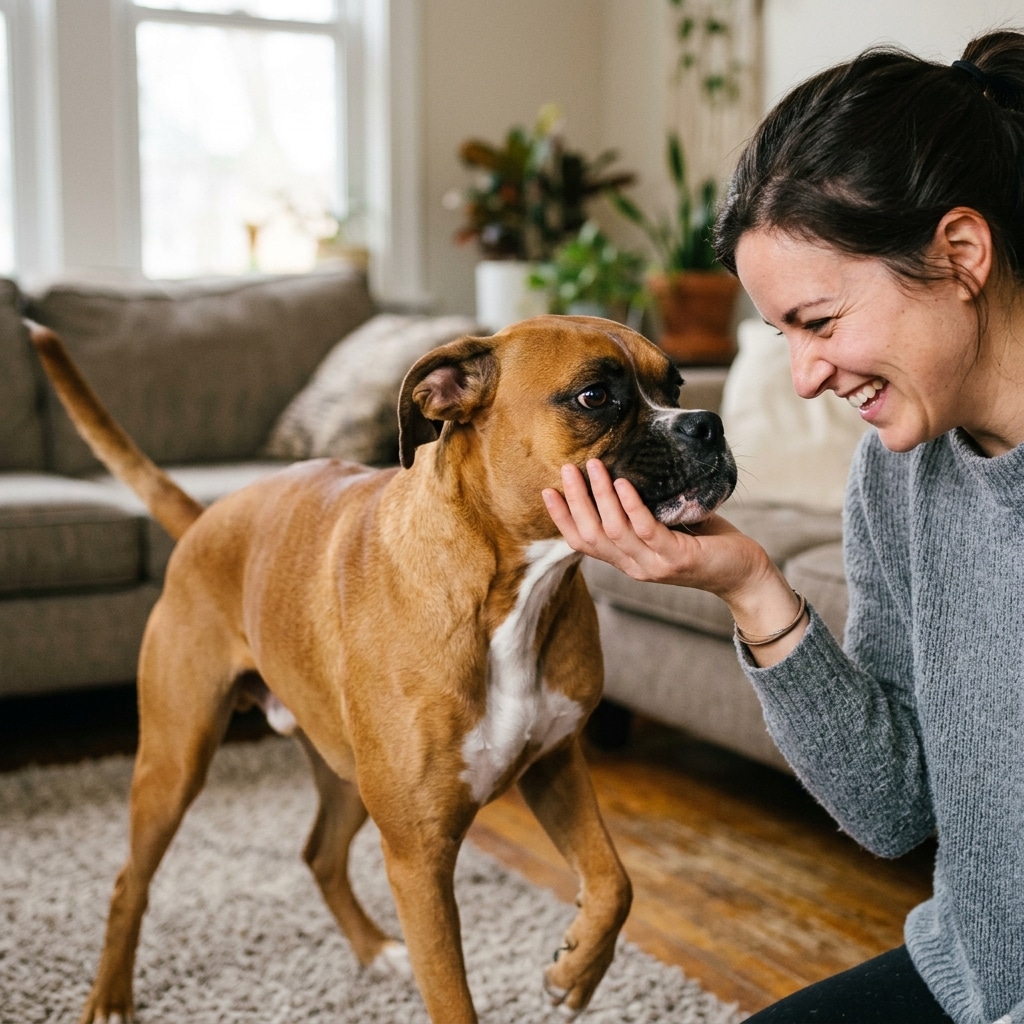
Dogs notice emotional energy fast. If you suddenly become animated, happy, and affectionate toward another dog while barely acknowledging your own, many dogs absolutely clock that difference.
Some dogs will literally push themselves between you and the other dog afterward.
People sometimes assume dogs only care about food and walks. But a lot of dogs are deeply sensitive to social attention and emotional ranking inside the household.
30. Pretending to Throw the Ball
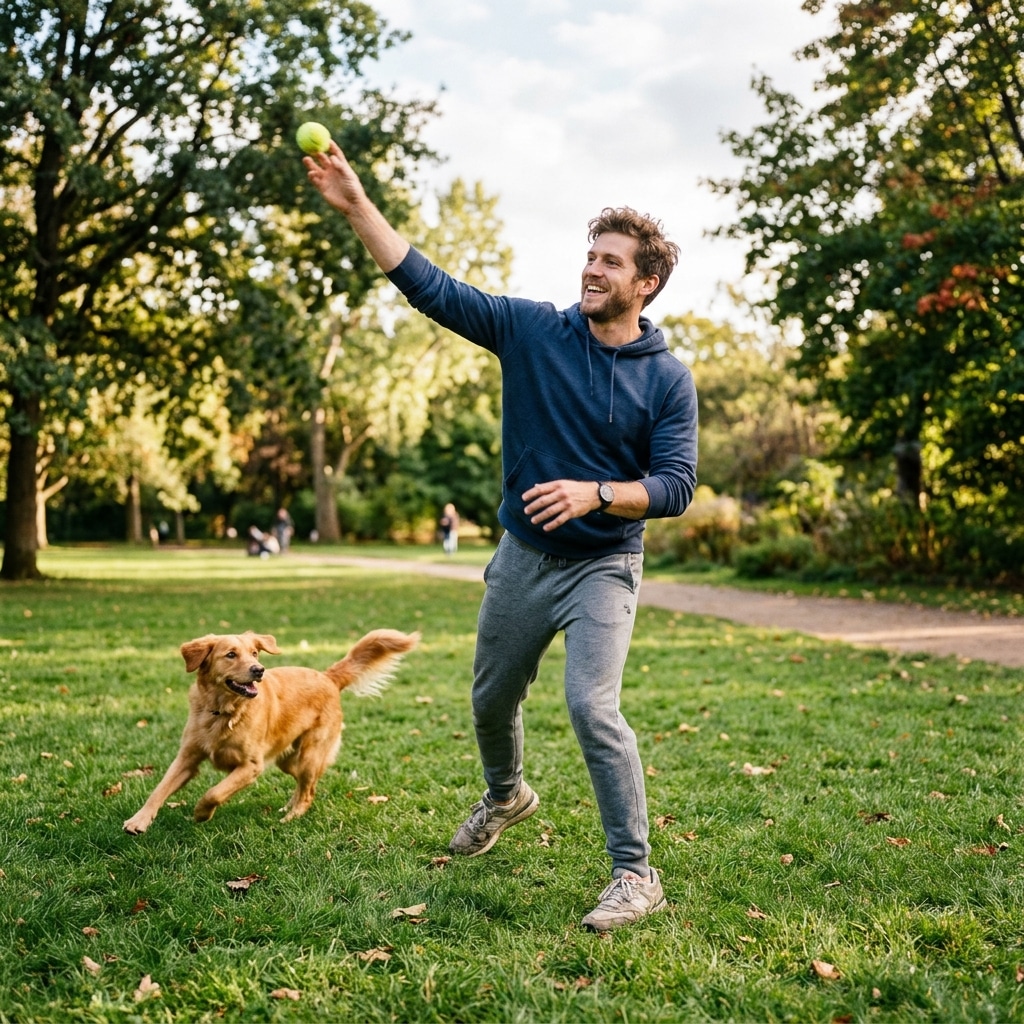
Most owners do this as a harmless joke. But some dogs become genuinely confused by it after a while.
They sprint across the yard searching everywhere while you laugh because the ball is still in your hand. To humans, it feels playful. To certain dogs, it starts feeling unfair.
Dogs trust patterns during games. That shared back-and-forth matters more to them than people realize.
29. Coming Home and Barely Acknowledging Them
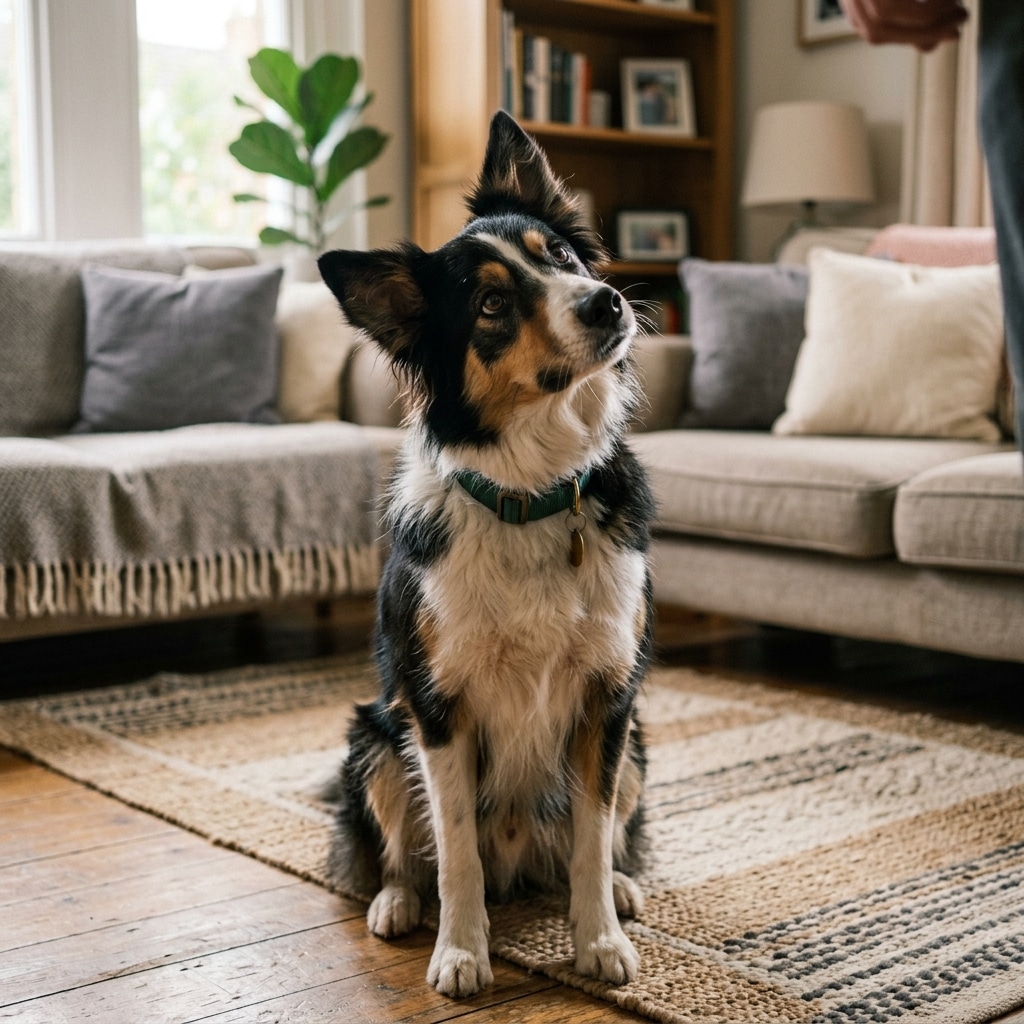
To your dog, you coming home may be the biggest event of the entire day. Some dogs spend hours sleeping near the door, listening for your footsteps, or staring through the window waiting for a familiar sound.
Then the door opens — and you walk straight past them while looking at your phone.
You do not need to create chaos every time you get home. But ten calm seconds of affection can mean everything to a dog who has been waiting all day to reconnect with you.
28. Being on Your Phone During Walks
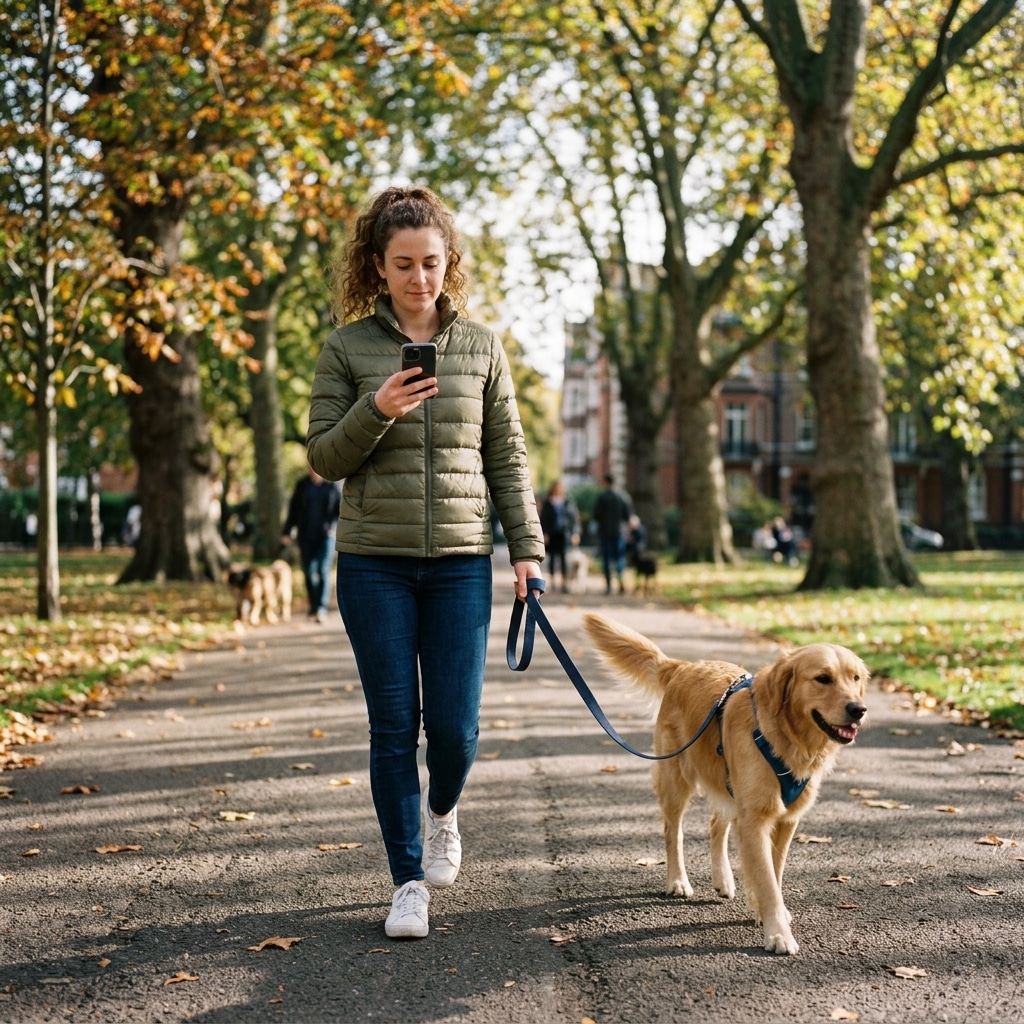
To humans, a walk is exercise. To dogs, it is shared time. It is exploration. It is one of the few moments in the day where they have your full attention.
Dogs notice when every few seconds you stop to stare at a screen instead of engaging with the world around you together.
A distracted walk feels different to them than a connected one.
27. Laughing When They Get Scared
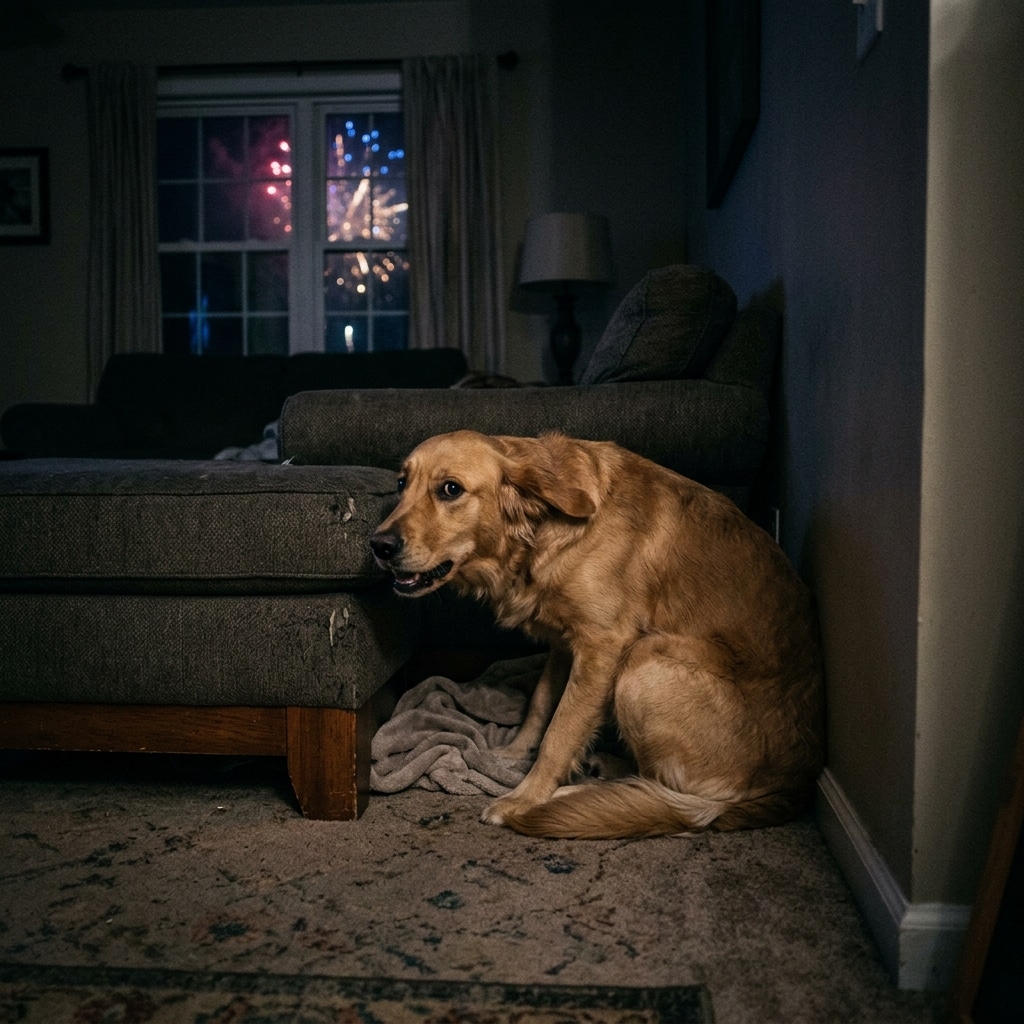
Some dogs get startled by ridiculous things. A plastic bag blowing past. A weird noise from the television. Their own reflection in a glass door.
And yes, sometimes it looks funny.
But sensitive dogs often notice when the emotional tone suddenly shifts toward them. You can actually watch some dogs become awkward or embarrassed after everyone bursts out laughing loudly.
26. Pushing Them Away Abruptly
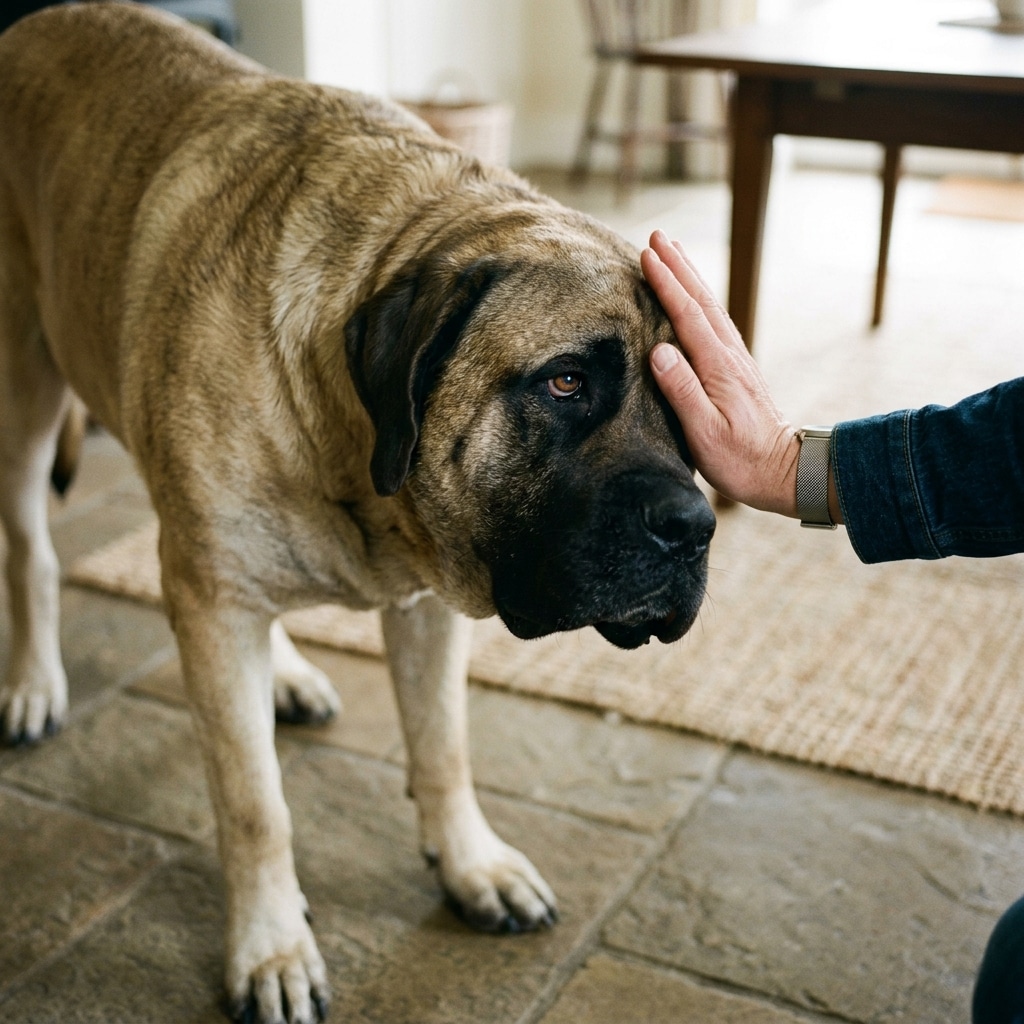
Many dogs simply want to rest beside the person they love most. So when they climb onto the couch and suddenly get shoved away without warning, it can feel confusing or rejecting.
Boundaries are completely fine. Dogs need them.
But calmly guiding them down feels very different emotionally than physically pushing them away like they are unwanted.
25. Ignoring Them After Getting a New Pet
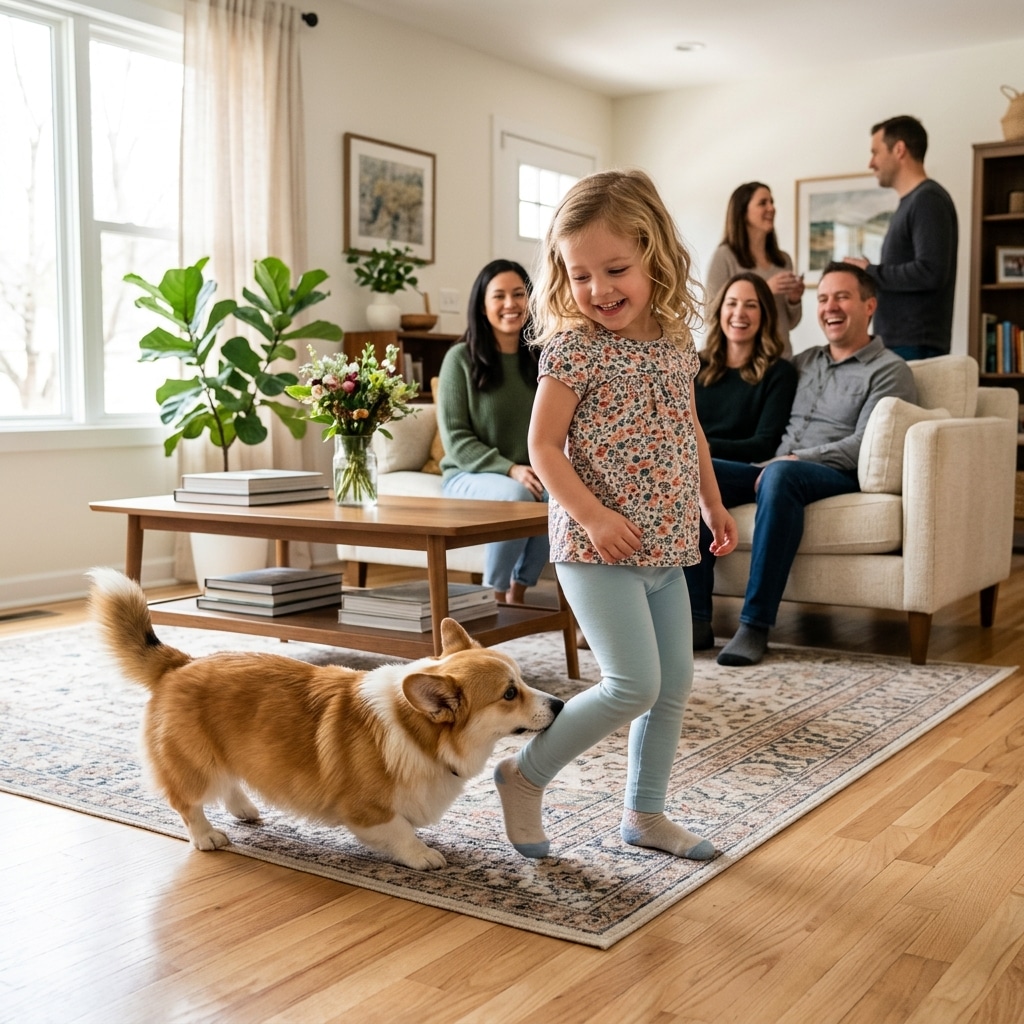
Some dogs struggle emotionally when a new puppy or kitten suddenly enters the house. Overnight, the routines change. The smells change. The attention changes.
A lot of older dogs quietly withdraw during this stage instead of acting out.
Dogs do not need equal attention every second. But they absolutely notice when they go from being your companion to feeling emotionally replaced.
24. Saying “Walk” and Then Not Following Through
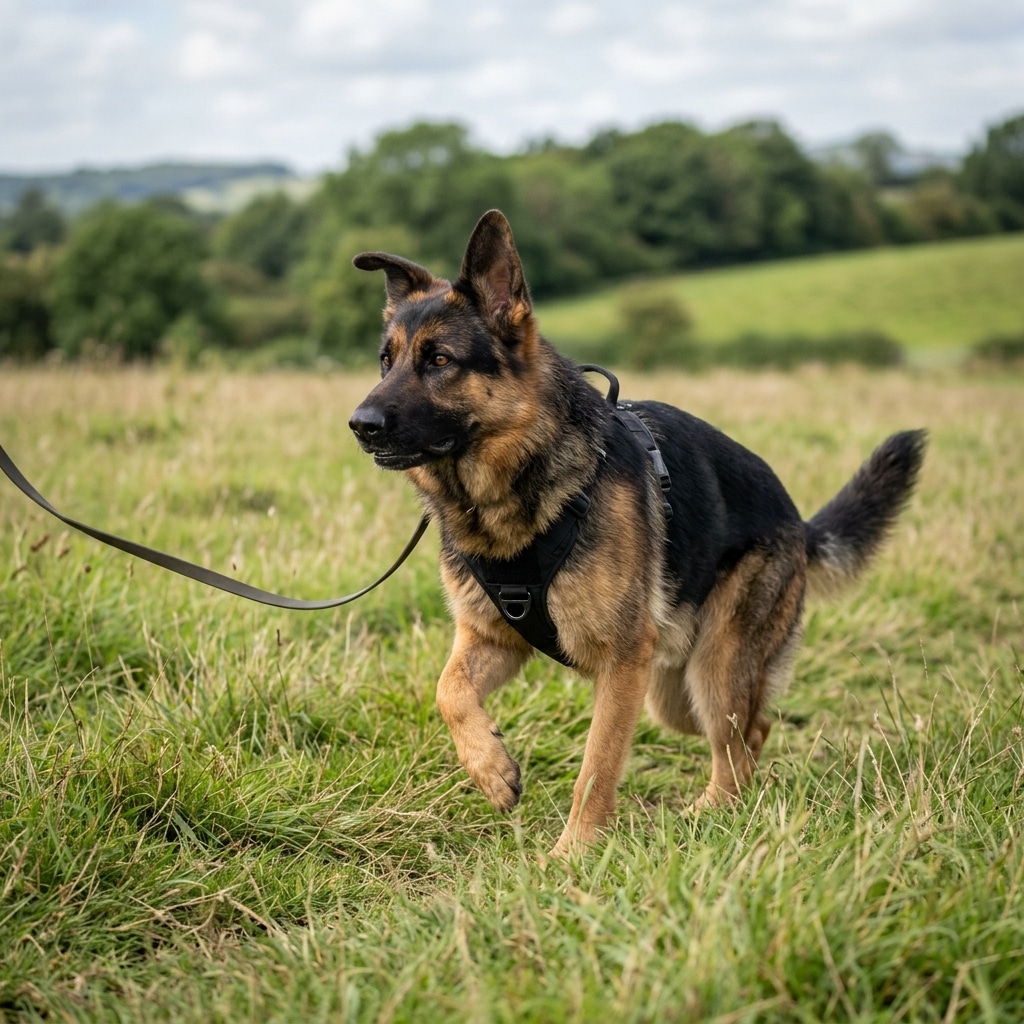
Dogs learn emotionally charged words incredibly fast. “Walk.” “Park.” “Treat.” “Car ride.”
You can literally see their entire body light up.
So when those words get repeated over and over without anything happening, some dogs become visibly frustrated or confused. Over time, it can even weaken trust in your communication.
23. Getting Angry Long After the “Crime”
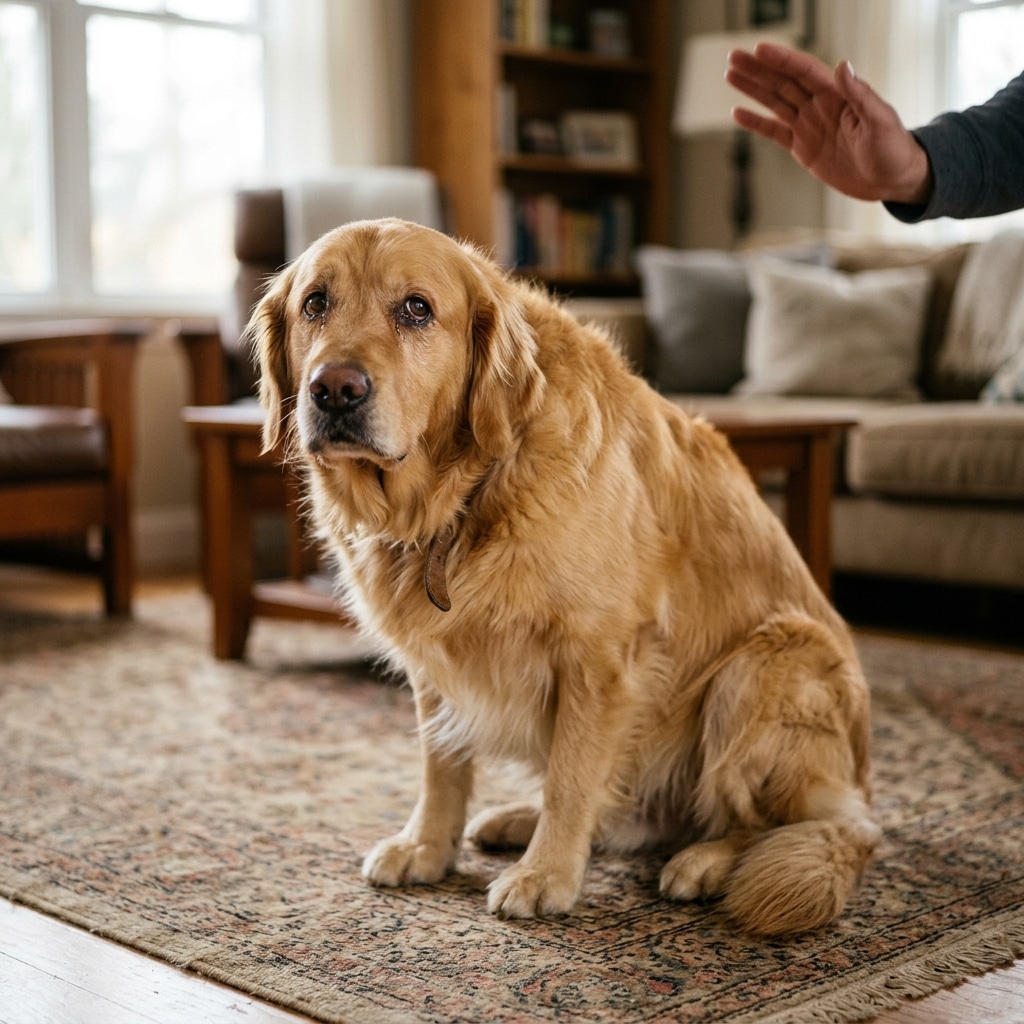
Dogs do not replay events in their head the way humans do. If you discover a chewed shoe three hours later and storm into the room furious, your dog usually has no idea why you are upset.
What many owners interpret as “guilty behavior” is often just the dog reacting to your angry energy.
To dogs, delayed punishment mostly feels unpredictable and scary rather than educational.
22. Constantly Rushing Them on Walks
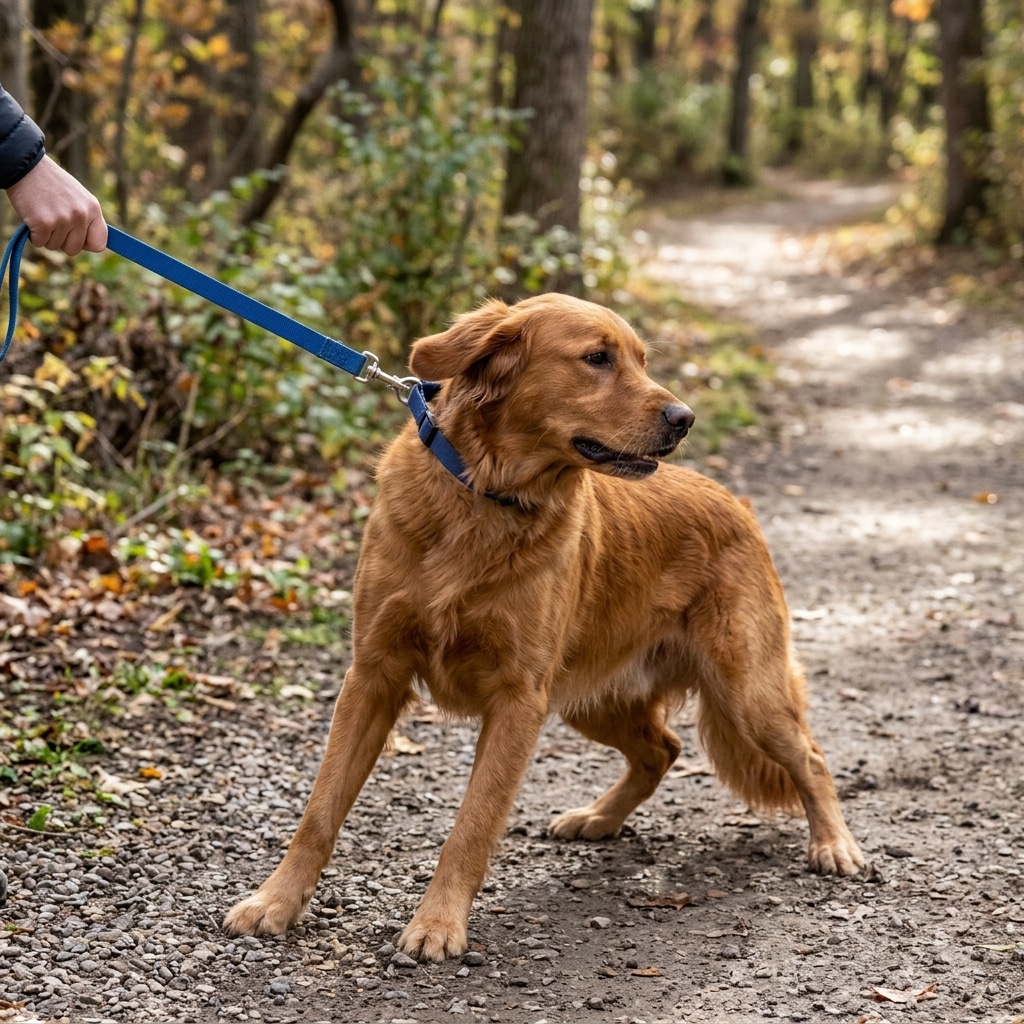
Walks are not just physical exercise for dogs. They are mental enrichment. Sniffing is how dogs read the world.
That bush? Somebody walked by there an hour ago. That tree? Another dog marked it earlier in the morning.
To humans, it looks like “just sniffing.” To dogs, it is information.
21. Yelling and Pointing at Them
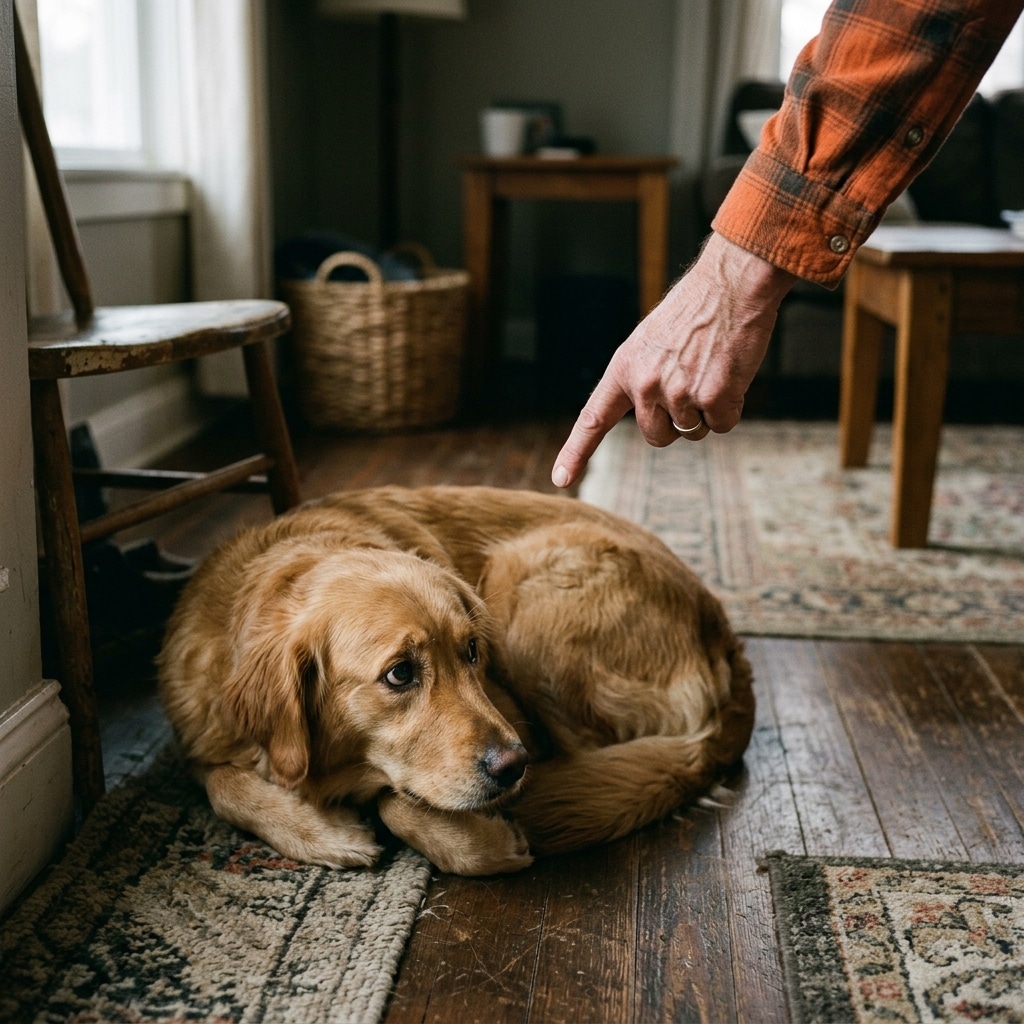
Humans point naturally during arguments. Dogs do not understand why a loud person is suddenly looming over them with an extended finger and an angry face.
Many dogs become more stressed than educated during these moments.
Calm correction usually teaches far more than emotional explosions ever do.
20. Treating Them Like They’re Being “Dramatic”
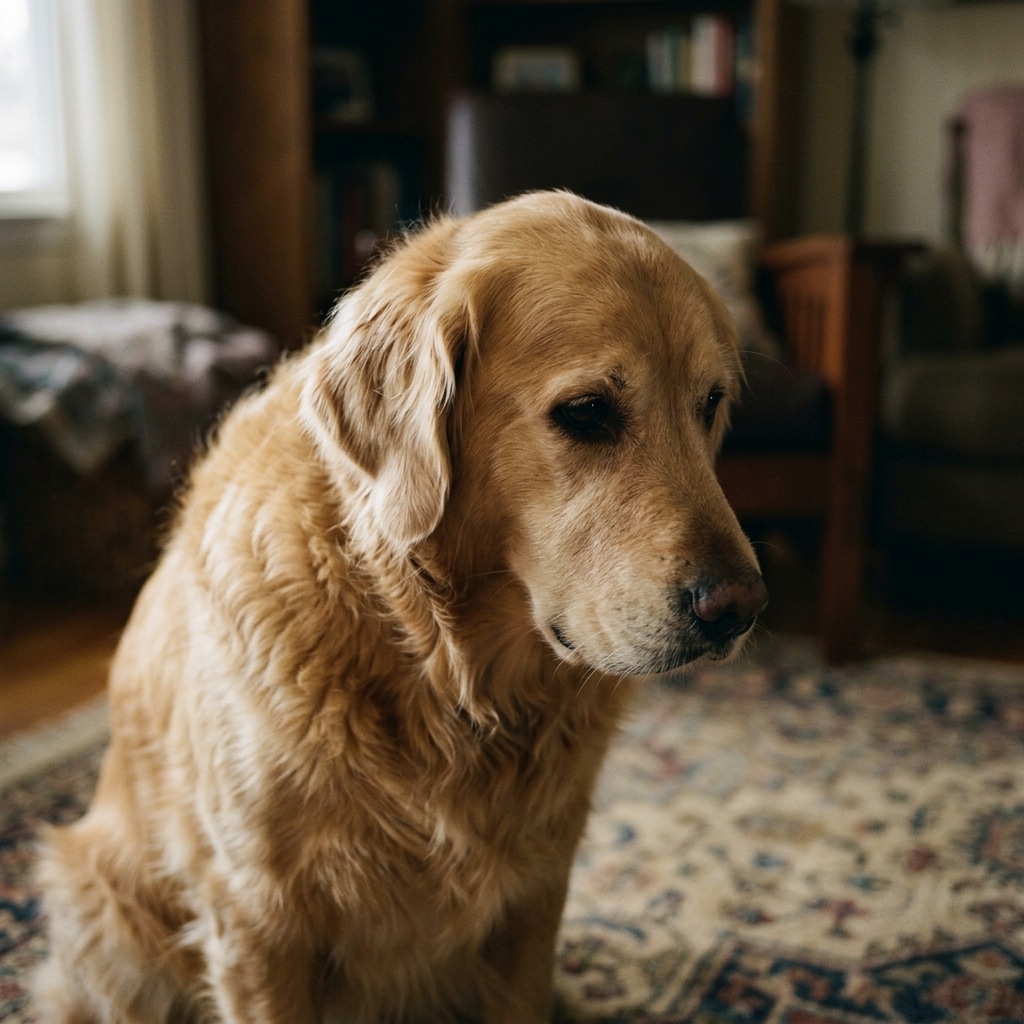
Some dogs are genuinely fearful of thunder, fireworks, stairs, strangers, vacuum cleaners, or certain sounds. Laughing at them or forcing exposure too quickly can make the fear worse.
Fear feels real to the dog even if it seems irrational to you.
A dog that feels emotionally safe around you will recover from fear much faster than one that feels dismissed.
19. Ignoring Them During Social Gatherings
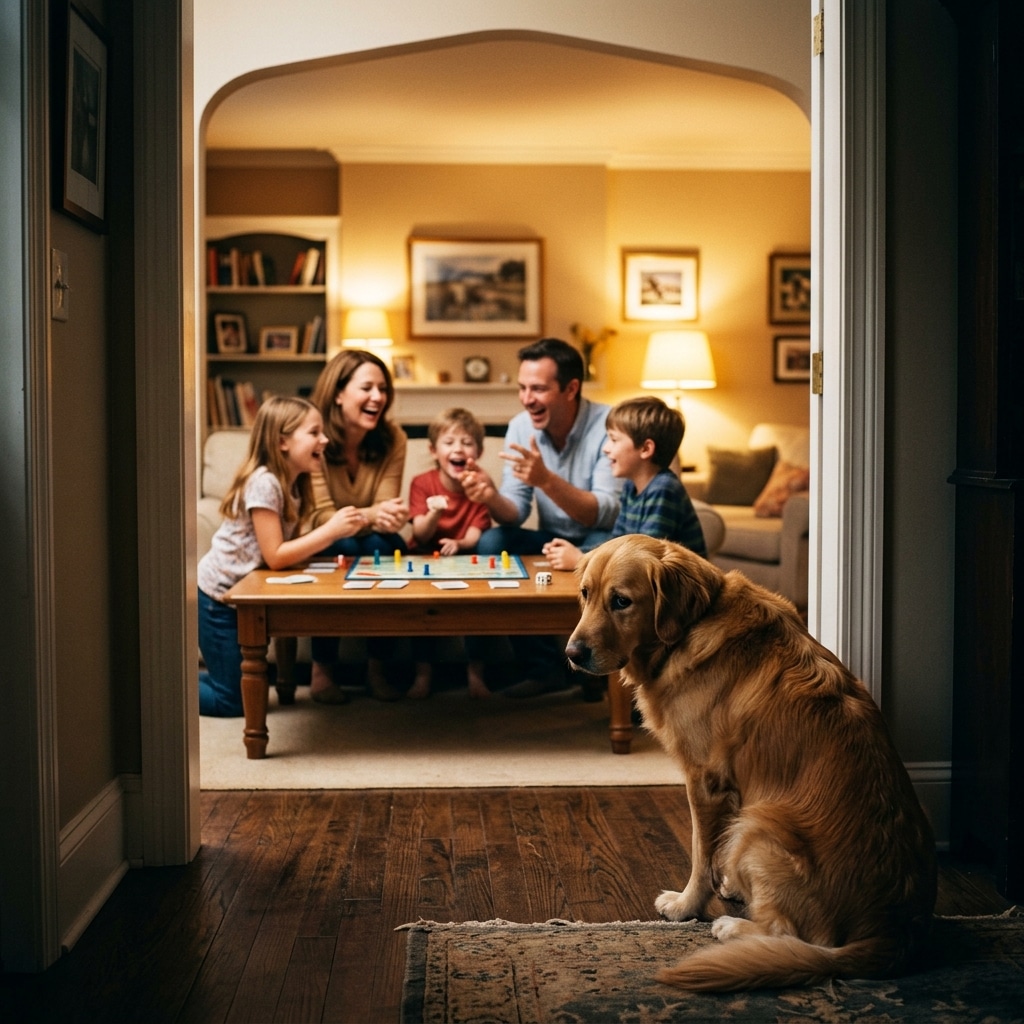
Some dogs spend an entire gathering trying to reconnect with their owner while the humans talk, eat, laugh, and socialize around them.
You will sometimes see them quietly bring a toy over. Or rest their head on someone’s knee. Or keep checking whether you are still paying attention to them.
Dogs are social animals. Being emotionally invisible for hours can genuinely affect some of them.
18. Acting Annoyed When They’re Excited to See You

Some owners accidentally punish affection without realizing it.
The dog gets excited. The tail starts wagging. The energy rises. And the human immediately responds with irritation.
“Okay, okay, calm down.”
Over time, some dogs become quieter and less expressive simply because they learn their excitement is unwanted.
17. Giving Them Mixed Signals
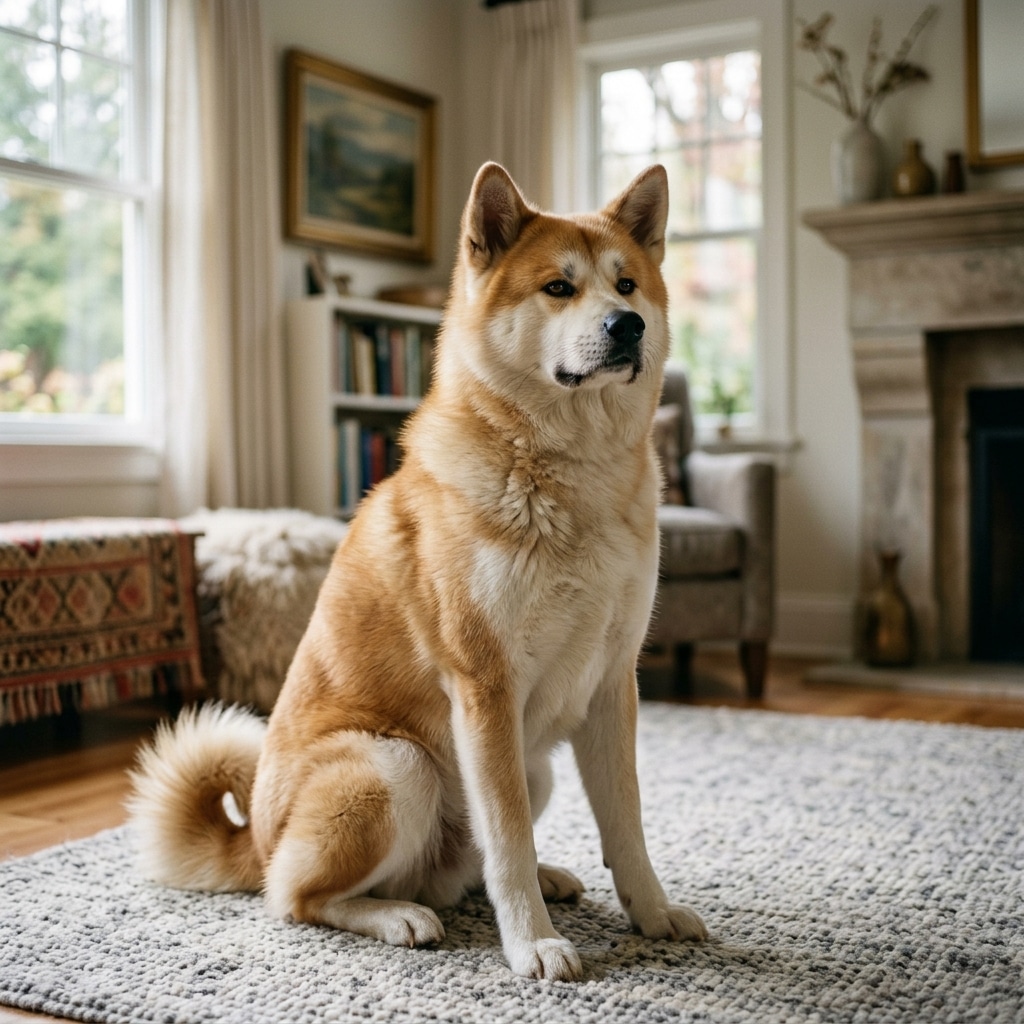
One day the couch is allowed. The next day it is forbidden. One person encourages jumping while another punishes it.
Dogs thrive on predictability.
A confusing household can make even good dogs anxious because they never fully know which rules apply today.
16. Staring Them Down
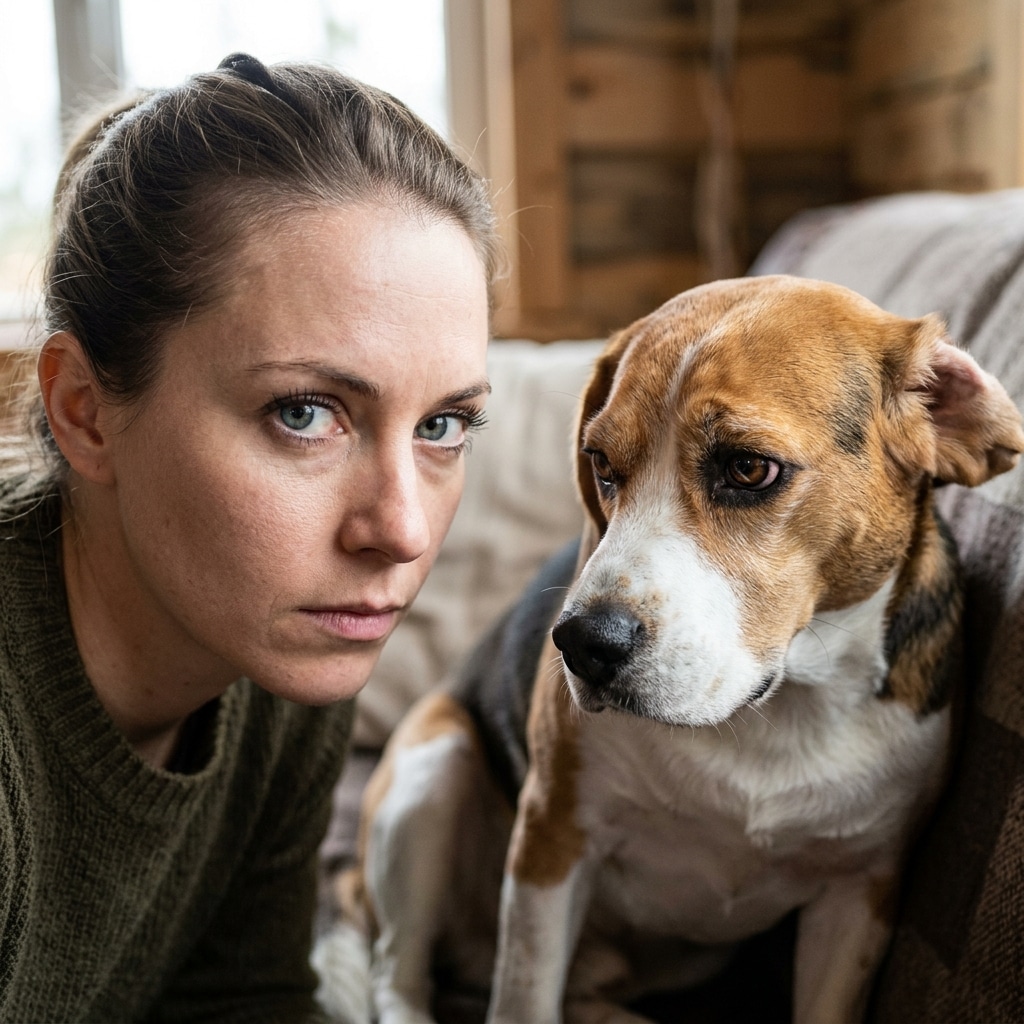
Humans use eye contact to show attention or confidence. Dogs can interpret prolonged staring very differently.
Soft eye contact with a relaxed face is usually comforting. A rigid, intense stare can feel confrontational or threatening, especially to anxious dogs.
Many dogs will subtly look away first because they are trying to reduce tension.
15. Hugging Them Too Tightly
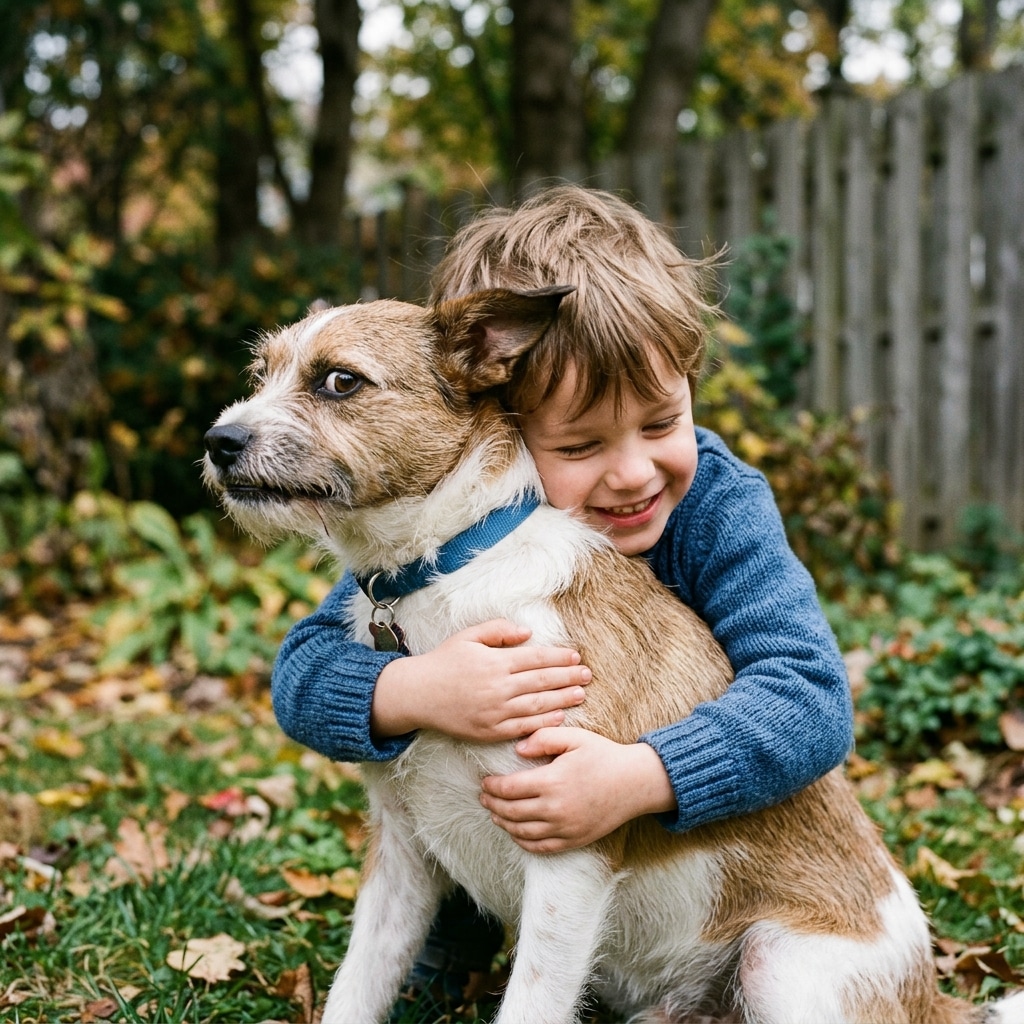
Humans hug to show love. Dogs usually show affection by staying close, leaning against you, or quietly relaxing beside you.
Some dogs tolerate tight hugs because they trust you. But others freeze up and silently wait for it to end.
A relaxed dog looks loose and comfortable. An uncomfortable dog often licks its lips, turns its head away, or stiffens.
14. Making the House Loud and Chaotic
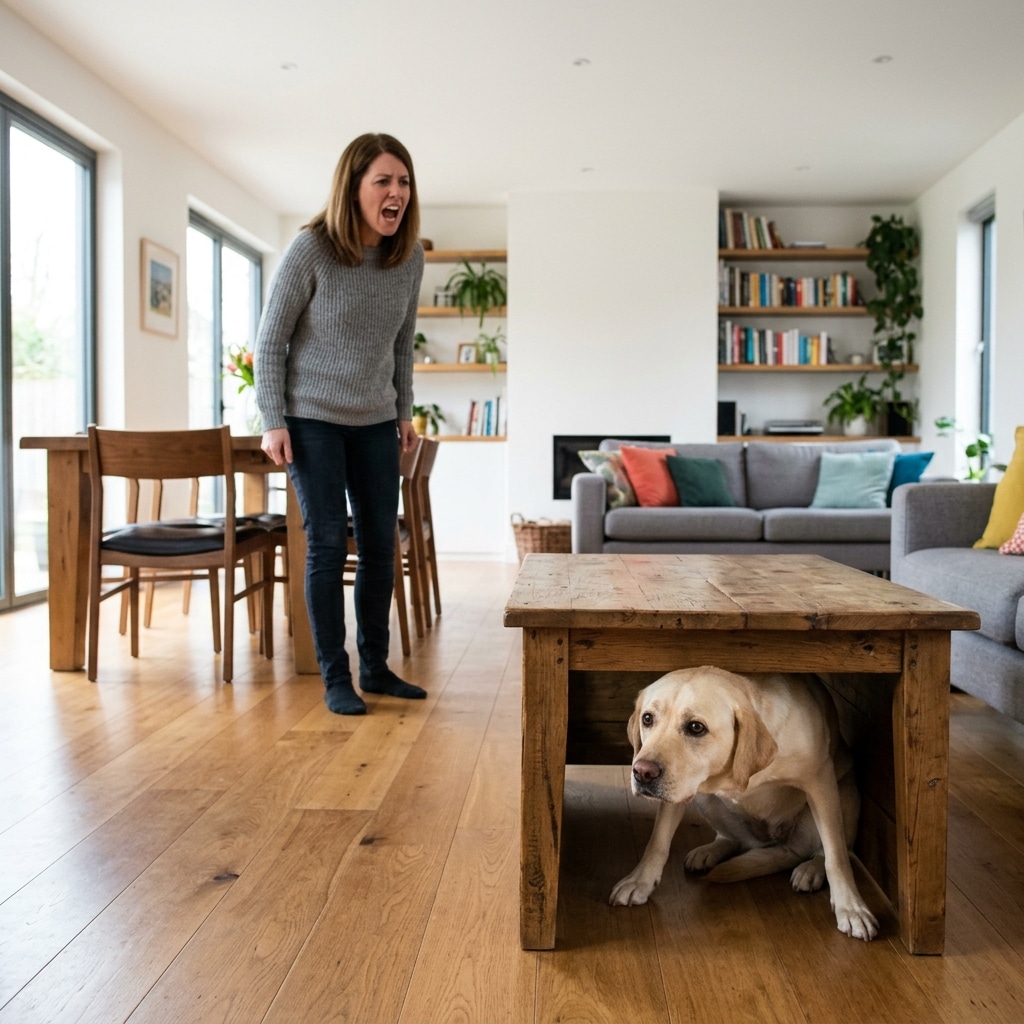
Dogs spend much of the day monitoring whether the environment feels safe. Constant yelling across rooms, slamming doors, or sudden bursts of noise can keep sensitive dogs in a low-level state of stress.
Some dogs never fully relax in loud households.
You can often tell because they are always alert instead of fully settled.
13. Interrupting Their Deep Sleep
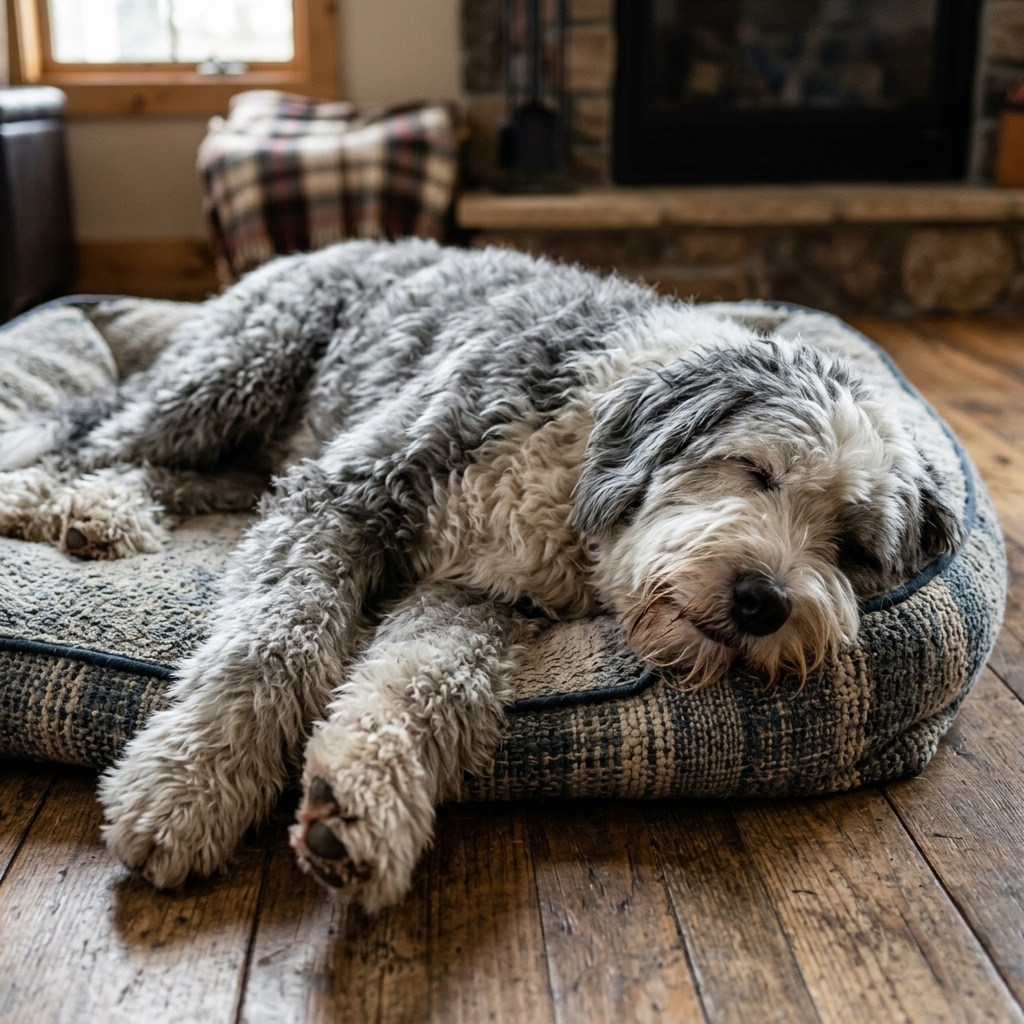
A deeply sleeping dog is fully vulnerable. Suddenly waking them over and over can be startling, especially for older dogs.
Some dogs wake up disoriented for a second before realizing where they are.
There is a reason the phrase “let sleeping dogs lie” has survived for so long.
12. Teasing Them With Food
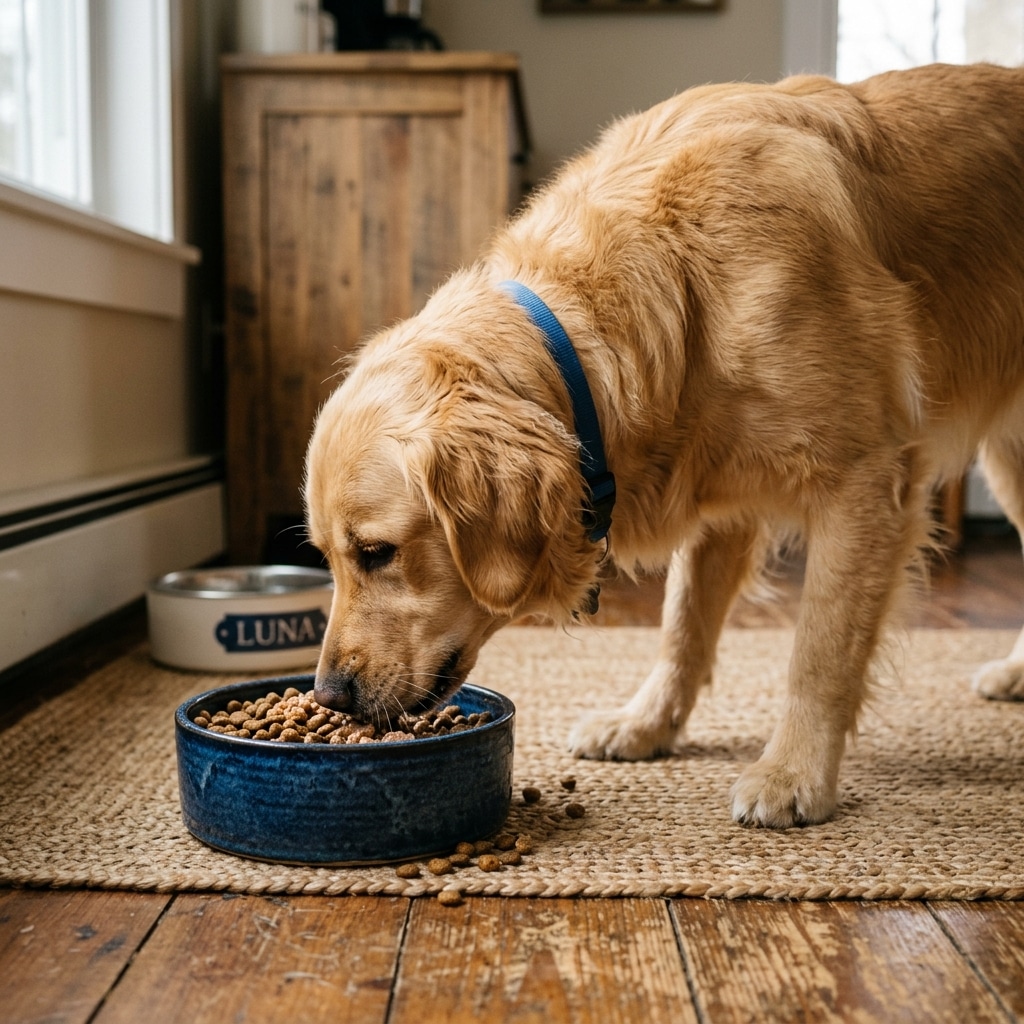
Holding treats just out of reach might seem funny for a few seconds. But repeated teasing can create frustration or anxiety around food.
Dogs trust feeding interactions.
Most dogs respond much better when food feels calm, predictable, and fair rather than emotionally confusing.
11. Excluding Them From the “Pack”
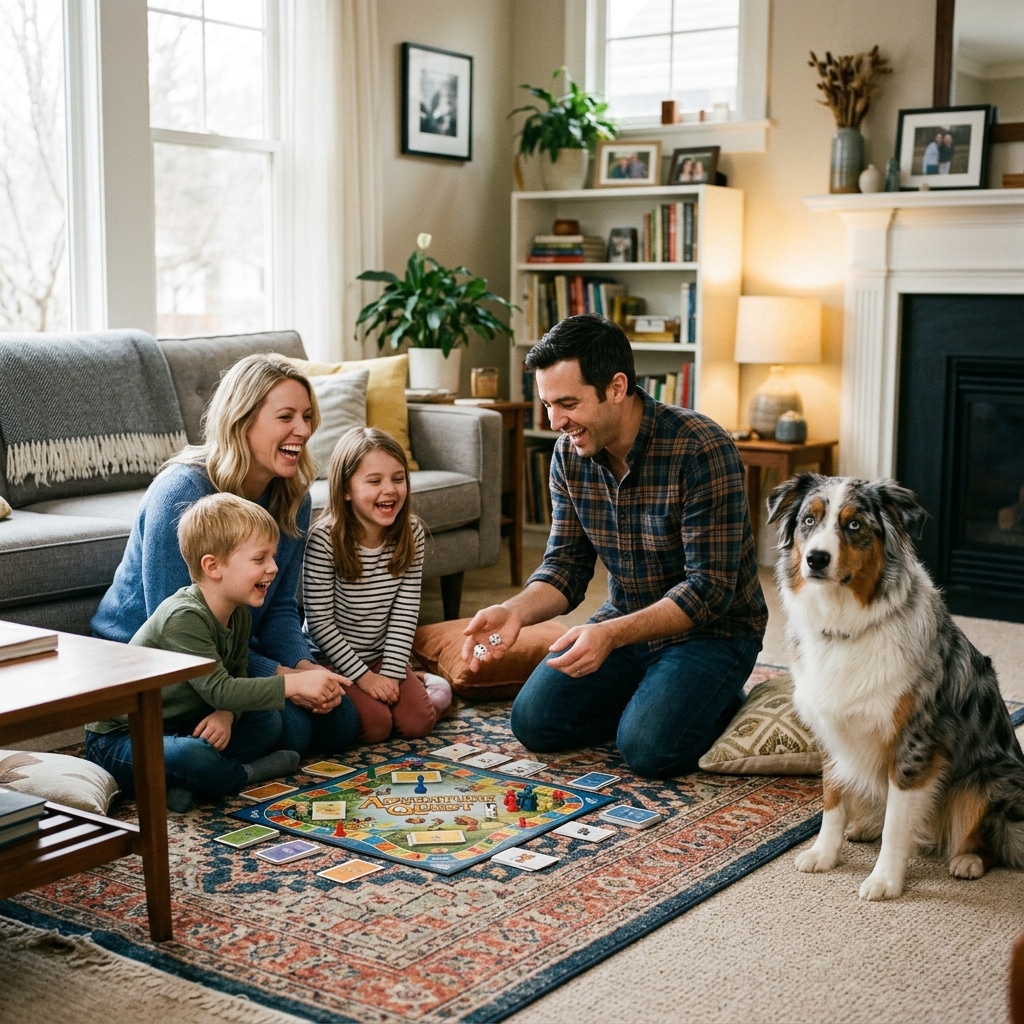
When guests arrive, some dogs suddenly get shut away alone in another room for hours while everyone else socializes together.
Not every dog should be around visitors, of course.
But many dogs simply want to be near the group. To some dogs, isolation during social activity feels less like “quiet time” and more like being excluded from the family.
10. Being Emotionally Flat During Playtime
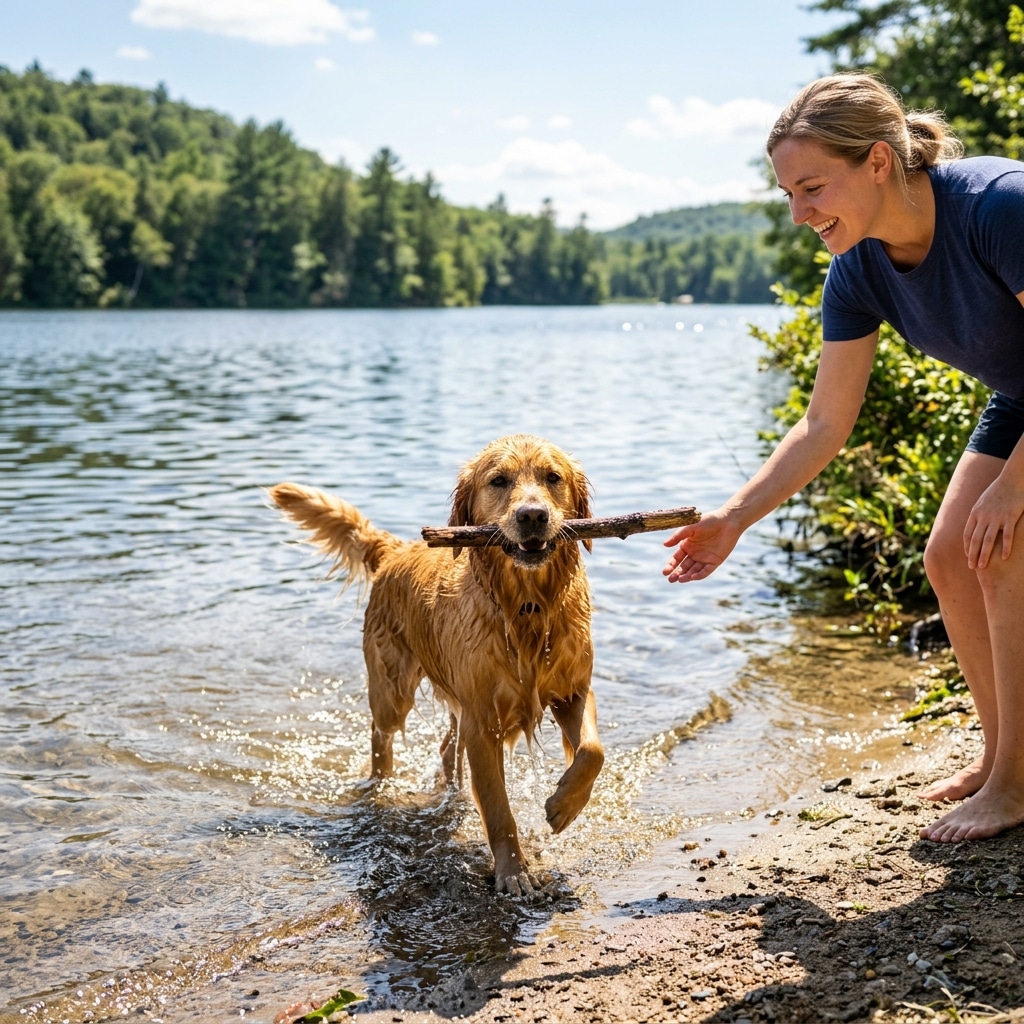
Dogs notice enthusiasm. If you throw the toy while staring at your phone or acting distracted, many dogs pick up on it immediately.
To humans, it is still technically play.
To dogs, it feels like you are physically there but emotionally somewhere else.
9. Ignoring Their Boundaries With Other Dogs
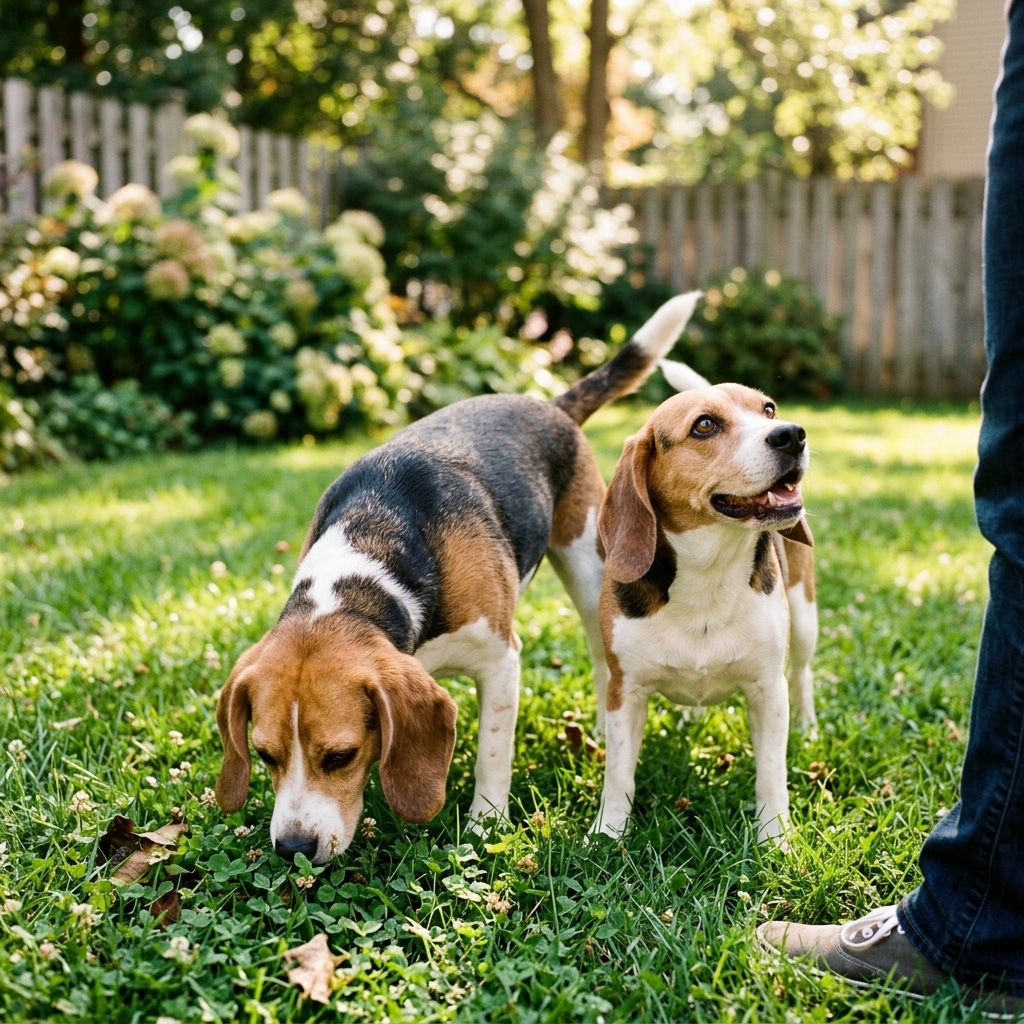
Not every dog wants to greet every dog they see. Some are shy. Some are selective. Some simply prefer calm spaces.
Owners sometimes force interactions because they think it is “good socialization.”
But dogs often feel safest when they know their owner will step in and respect their comfort level.
8. Dressing Them Up When They Clearly Hate It
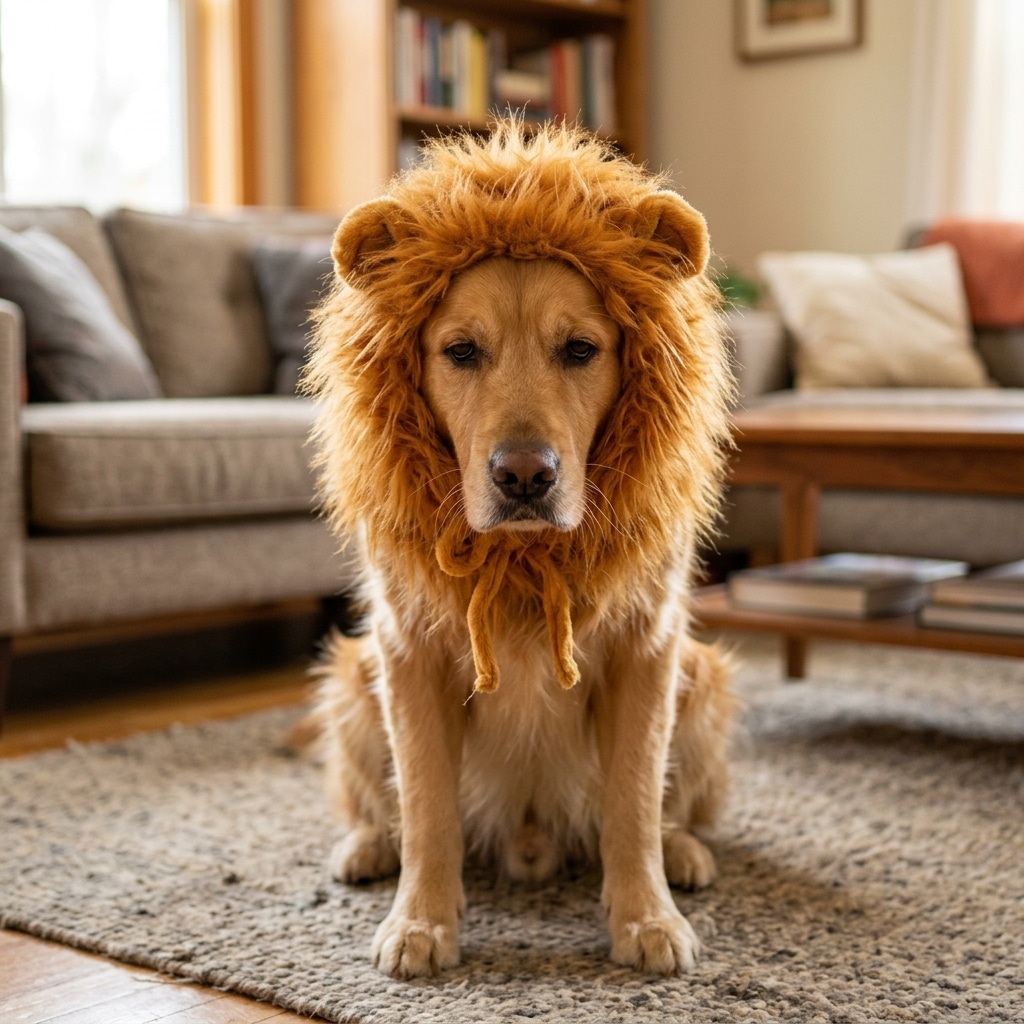
Some dogs tolerate clothing perfectly fine. Others freeze, pout, scratch at the outfit, or walk around stiffly like tiny hostage victims.
Humans often focus on how cute the outfit looks.
Dogs usually care much more about comfort and freedom of movement than fashion.
7. Taking Their Food Away Mid-Meal

Some owners do this to “prove dominance” or test the dog’s behavior.
For many dogs, it simply creates insecurity around eating.
A dog that feels safe during meals usually becomes calmer around food over time — not more defensive.
6. Never Letting Them Sniff
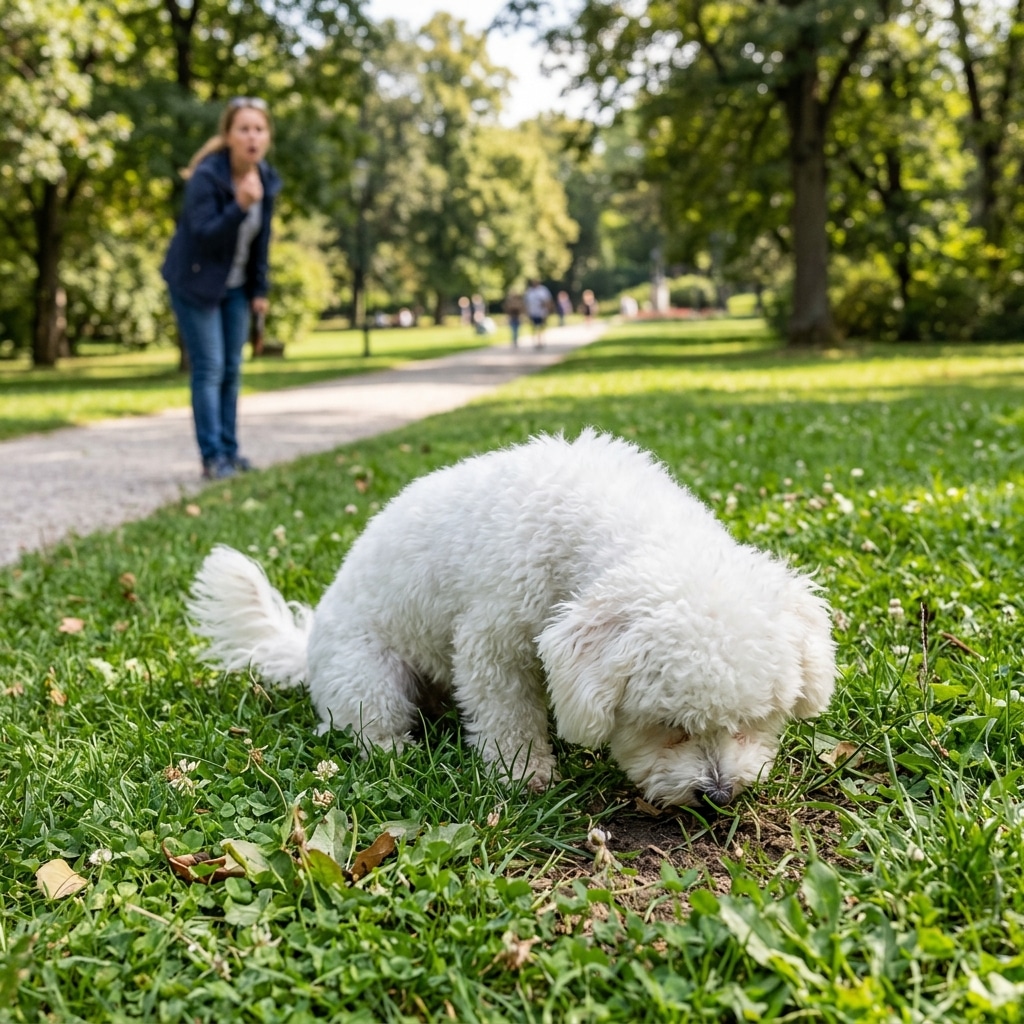
Some owners treat walks like timed fitness routines and constantly yank the dog forward every few seconds.
But for dogs, sniffing is half the point of going outside.
A dog that never gets to explore the world properly often comes home physically tired but mentally frustrated.
5. Acting Frustrated When They Get Old
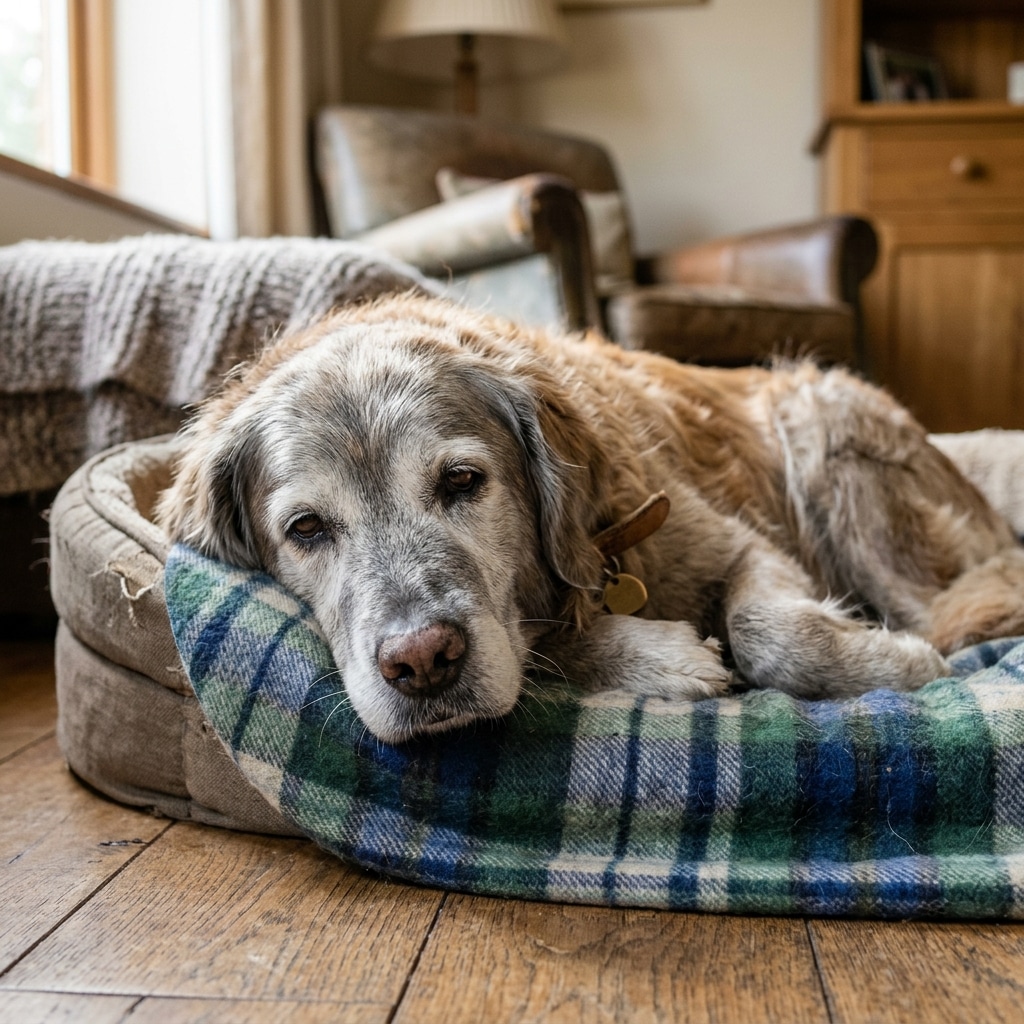
This one quietly breaks a lot of hearts.
Older dogs move slower. They forget things sometimes. They sleep more. They cannot always jump into the car anymore or hear you call from the other room.
Some owners become visibly impatient during this stage instead of adapting compassionately to the dog that spent years adapting to them.
4. Expecting Them to “Just Know” Why You’re Mad
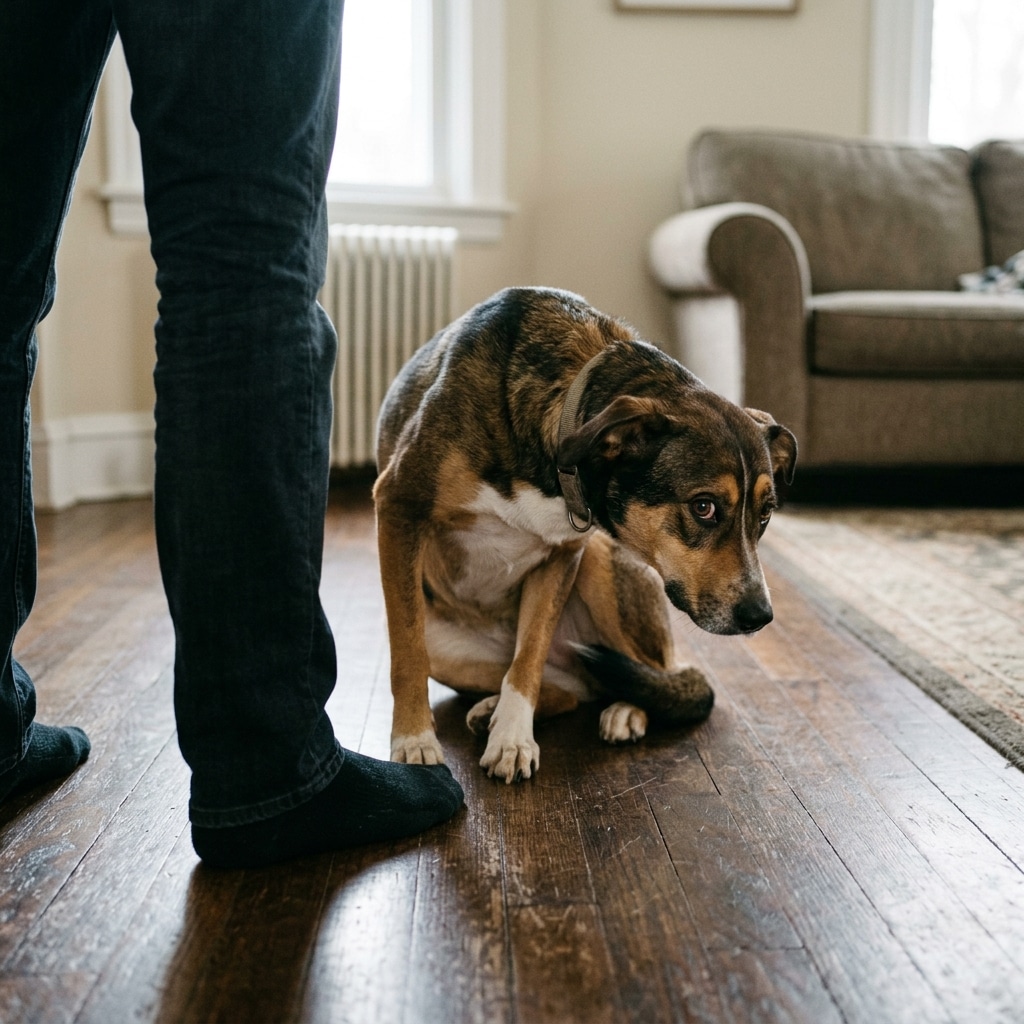
Dogs do not understand human morality the way people imagine they do. They do not chew shoes because they are evil. They do not have accidents because they are trying to ruin your day.
Most unwanted behavior comes from stress, boredom, confusion, instinct, fear, or lack of training.
A lot of dogs spend their lives trying to understand emotional reactions that make no sense to them.
3. Acting Cold Toward Them After a Bad Day
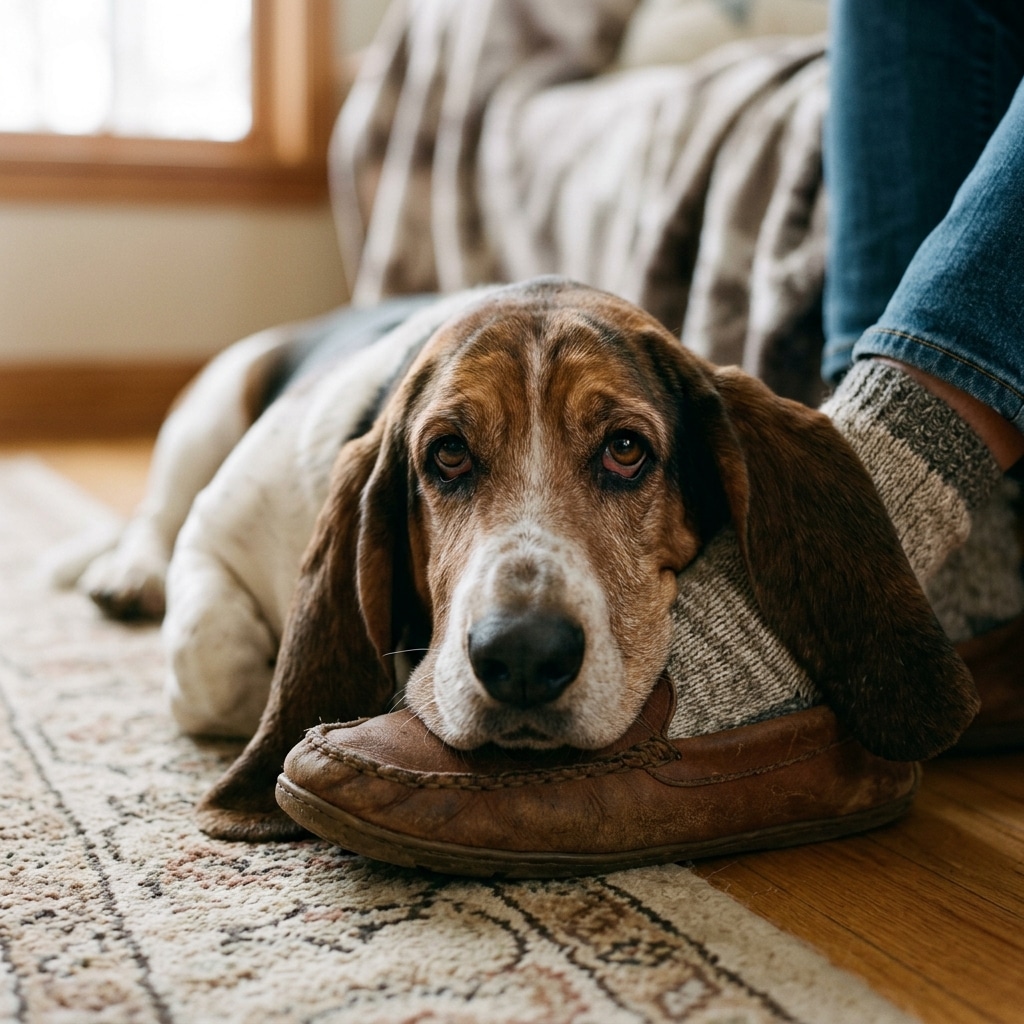
Dogs are unbelievably sensitive to emotional energy. They notice changes in posture, tone, breathing, movement, and facial expression almost immediately.
Sometimes a dog approaches their owner looking for comfort — and accidentally walks straight into stress that had nothing to do with them.
Many dogs quietly absorb the emotional atmosphere around the people they love.
2. Making Them Feel Like a Burden
Dogs want surprisingly little. Safety. Attention. Routine. Affection. Time near their people.
So when a dog constantly feels shoved aside, ignored, yelled at, or treated like an inconvenience, many slowly become quieter versions of themselves.
Some dogs stop asking for connection long before owners notice.
1. Leaving Them Alone for Long Periods of Time
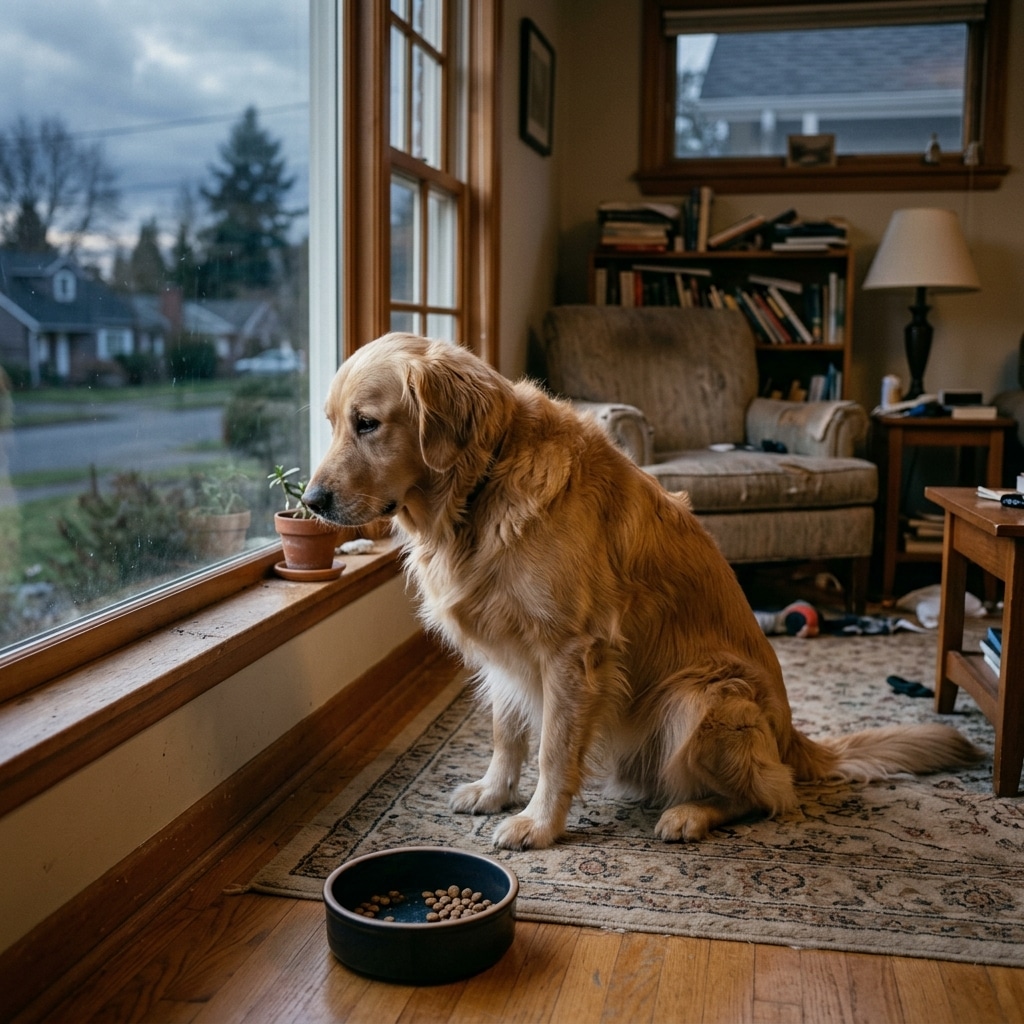
For a dog, ‘alone time’ isn’t quiet reflection; it’s a social void. They are pack animals who thrive on companionship, and long stretches without you can feel like genuine abandonment.
Feeling alone too often creates a constant background hum of worry for many dogs. Even 8-10 hours every workday can cause real stress, so consistent company or mental tasks are truly important.

I am the founder and owner of Fauna Facts. My mission is to write valuable and entertaining information about animals and pets for my audience. I hope you enjoy the site!