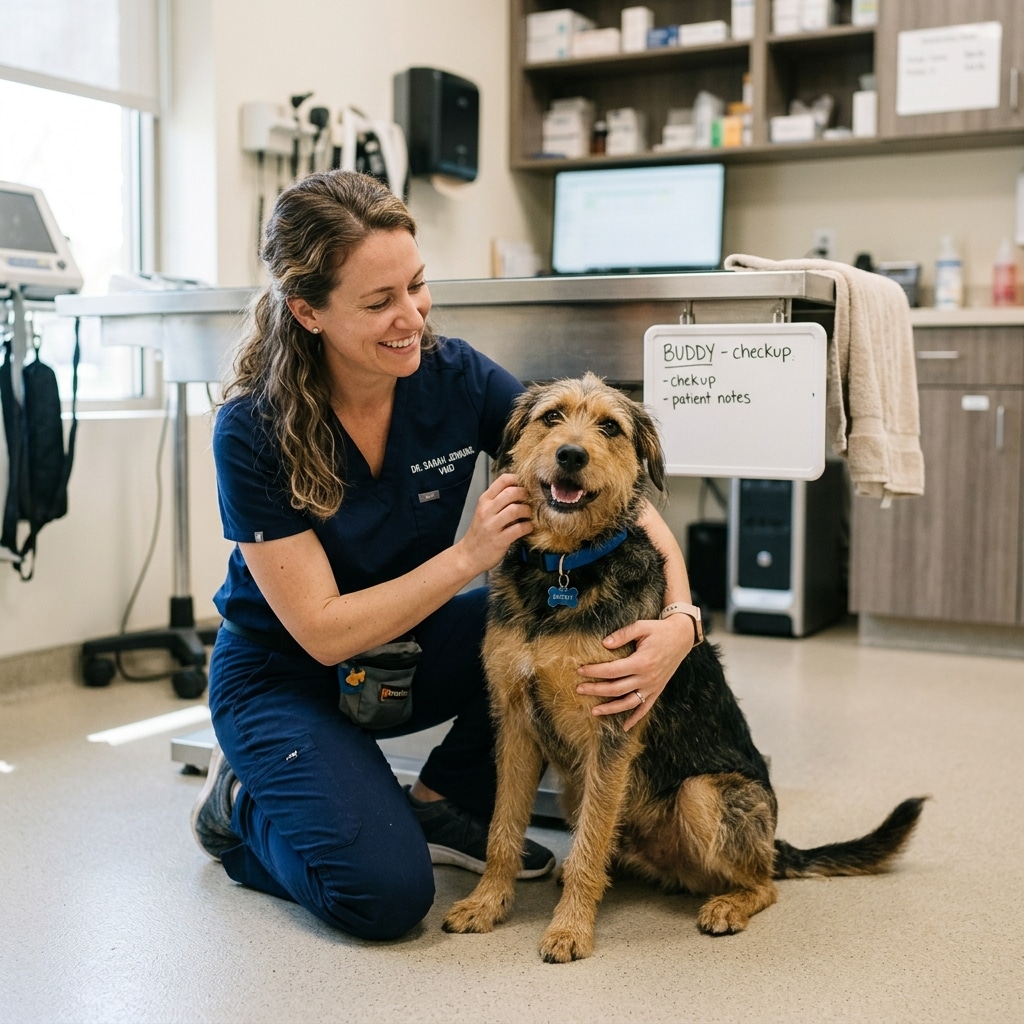
Most people choose a dog breed based on appearance, personality, or popularity without realizing how many serious health problems some breeds face behind the scenes.
Vets often see the painful reality that comes from decades of breeding dogs for exaggerated looks instead of long-term health.
Some of these dogs struggle to breathe, walk, exercise, or even sleep comfortably throughout their lives.
Here are 27 popular dog breeds that many vets quietly wish people would stop choosing — and the heartbreaking reasons why.
27. Bloodhound
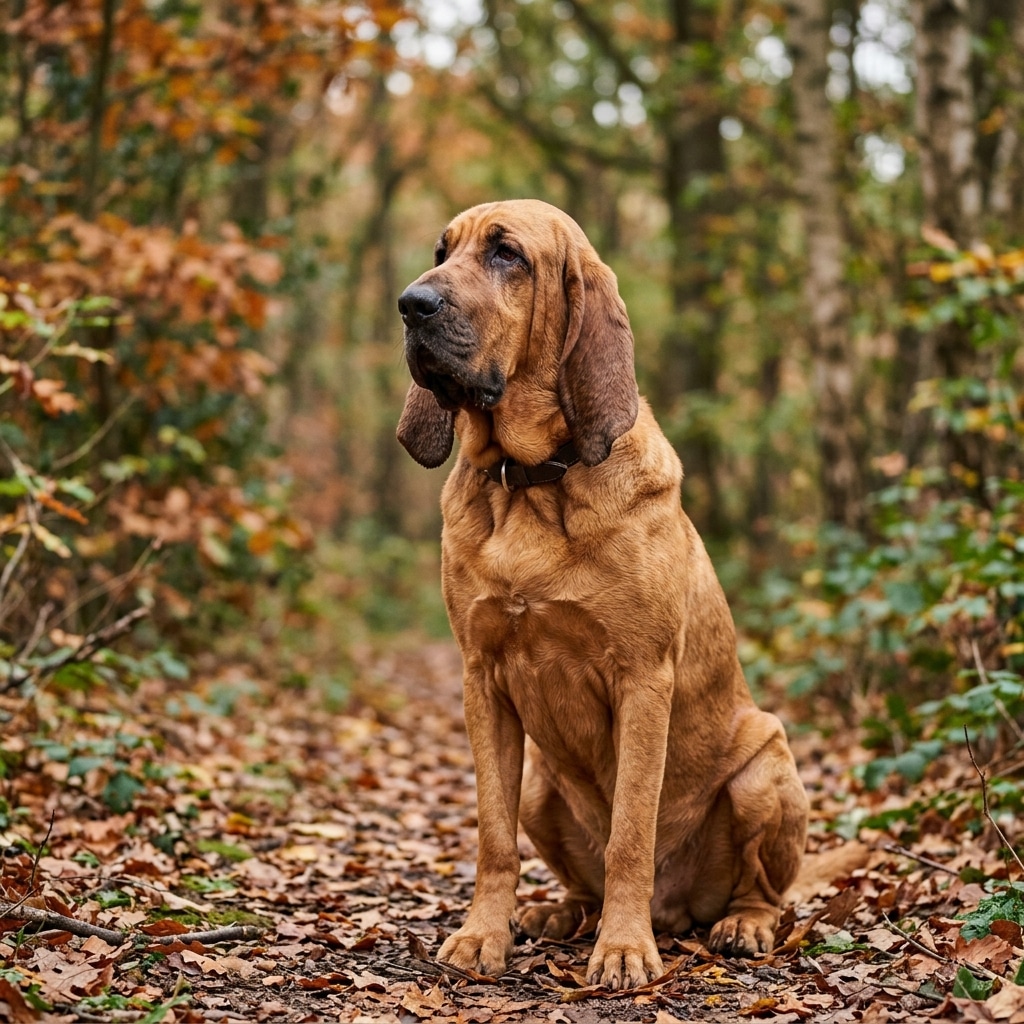
Bloodhounds look iconic, but many vets see them as a breed built around exaggerated skin and ear problems.
Their massive ears trap moisture so easily that chronic infections become part of life for many dogs. The deep skin folds around their face also create constant irritation and bacterial infections.
According to PetMD, they are also vulnerable to deadly bloat, where the stomach twists suddenly and becomes a medical emergency within hours.
Vets often feel the breed’s dramatic appearance came at the cost of basic comfort.
26. West Highland White Terrier
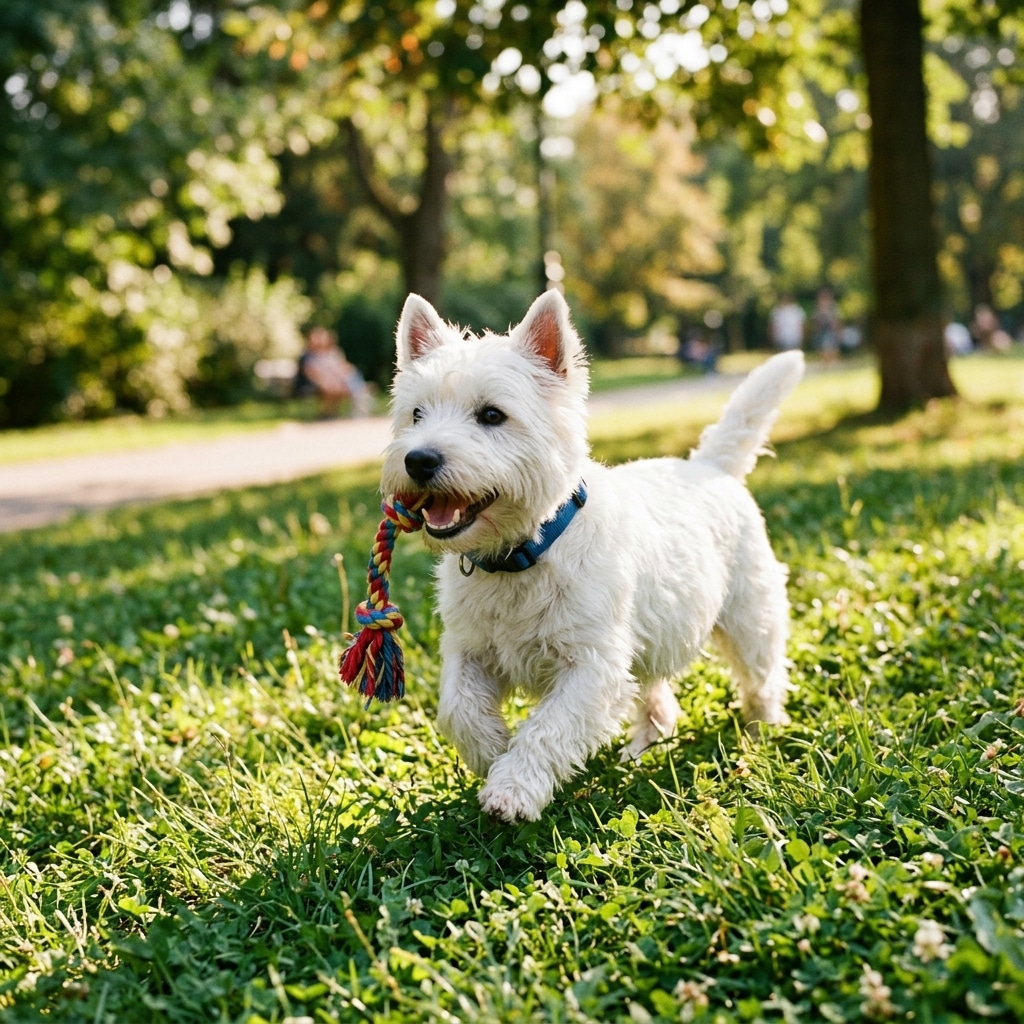
Westies are cheerful little dogs, but veterinary clinics like Bell Veterinary Clinic in Michigan see many skin cases involving this breed.
Severe allergies are incredibly common, and some dogs spend years itching, scratching, licking, and chewing themselves raw.
Owners often assume it is “just sensitive skin” until the cycle of medications, infections, and vet visits begins.
Many Westies need lifelong treatment simply to stay comfortable. Vets know these dogs can suffer quietly for years behind their happy personalities.
25. Bullmastiff

Bullmastiffs impress people with their size and strength, but giant breeds often age faster and harder than owners expect.
Their enormous bodies place huge stress on joints, ligaments, and hearts from a young age, according to a 2024 study published in the journal ‘Animals’.
Arthritis, ligament tears, cancer, and heart disease are all common. Many owners picture a powerful guardian but are emotionally unprepared for how medically fragile these dogs can become.
Vets often describe giant breeds as dogs whose bodies simply wear out too quickly.
24. Rhodesian Ridgeback

The ridge along a Rhodesian Ridgeback’s back may look striking, but it is tied to a genetic mutation with real health consequences.
According to PetMD, the breed is prone to dermoid sinus, a congenital defect affecting the spine and nervous system. Some puppies require surgery very early in life because of it.
Hip dysplasia and certain cancers are also concerns within the breed.
Vets often wish more people understood that the feature making the breed famous is linked directly to a medical problem.
23. Bull Terrier
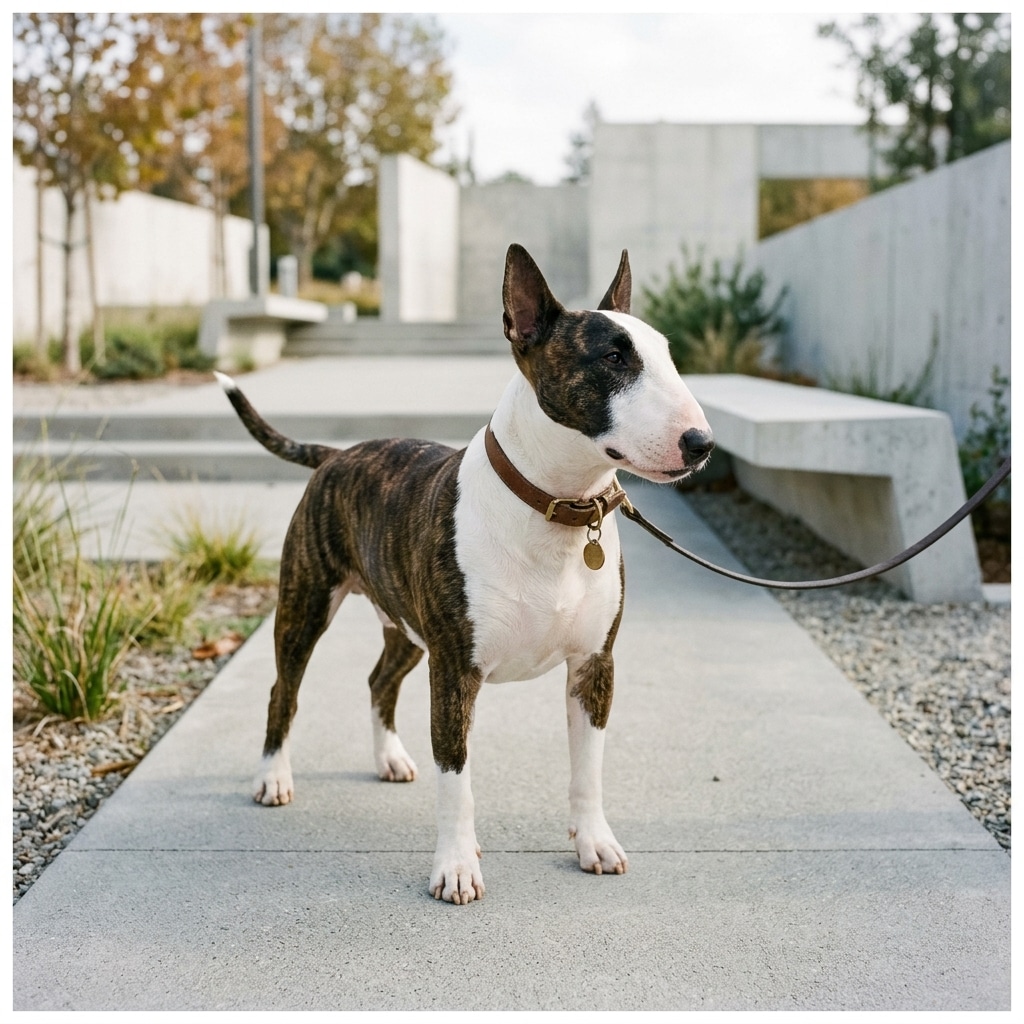
Bull terriers are playful and loyal, but many vets see them as another example of appearance being pushed too far through breeding. Their unusual skull shape came with a long list of inherited issues.
According to PDSA, a UK-based vet charity, deafness is also especially common, particularly in white bull terriers.
They can also develop severe allergies, kidney disease, and obsessive compulsive behaviors like nonstop tail chasing.
22. Newfoundland

Newfoundlands are famously gentle dogs, which makes their health struggles especially sad to watch.
According to Fruitville Veterinary Clinic, their giant size can place strain on their joints and heart. Hip dysplasia, heart disease, and mobility issues are all widespread in the breed.
Many owners are shocked by how quickly these dogs age physically. Vets love their sweet personalities but often wish people understood the medical reality behind giant breeds before bringing one home.
21. Pekingese

Pekingese dogs are one of the clearest examples of breeding for appearance over function.
A healthy dog should be able to breathe comfortably after a short walk, but many Pekingese struggle with basic physical activity.
Their flattened faces severely restrict airflow, especially in heat. Their protruding eyes are also highly vulnerable to painful injuries and ulcers.
Many vets quietly believe this breed should never have been pushed to such an extreme shape.
20. English Bulldog

English bulldogs are lovable dogs trapped inside deeply unhealthy bodies. Their flattened faces often make breathing difficult even while resting.
According to PetMD, many also suffer from skin infections, spinal deformities, joint disease, and chronic overheating. Some cannot even reproduce naturally and require surgical delivery.
19. French Bulldog

French bulldogs have exploded in popularity, yet many vets openly admit they would never personally own one.
The very features people find cute — the flat face, compact body, and oversized head — are exactly what create many of the breed’s health problems.
Breathing disorders are common, and many dogs struggle to regulate body temperature properly. PetMD also notes that spinal problems can also lead to sudden paralysis.
Vets often feel these dogs are being bred faster than people are willing to acknowledge the suffering involved.
18. Pug

Pugs are affectionate and funny, but many cannot function like normal dogs. Dogs cool themselves through panting, yet pugs often struggle to breathe efficiently because of their compressed airways.
Their bulging eyes are vulnerable to injury, and obesity quickly worsens their health issues. Some pugs even struggle to sleep properly because breathing becomes difficult lying down.
Vets often say the breed’s suffering has been normalized because people find the dogs adorable.
17. Shar Pei

Shar Peis may be famous for their wrinkles, but according to PETA, those wrinkles can create constant medical problems. Skin infections thrive deep inside the folds.
Many also suffer painful eye conditions where the eyelids roll inward and scrape against the eye itself. Some dogs develop Shar Pei fever, a serious inflammatory disease that can damage organs over time.
Vets often see the breed as a cautionary tale about what happens when exaggerated traits become more important than animal welfare.
16. Cavalier King Charles Spaniel

Cavalier King Charles spaniels are among the sweetest dogs you will ever meet, which makes their genetics especially concerning.
According to the American Kennel Club, severe heart disease is so common that many develop murmurs while still relatively young. They are also prone to syringomyelia, a condition where the skull is too small for the brain, causing chronic pain and nerve damage.
Some dogs scratch frantically at the air near their neck because of the discomfort. Vets often describe Cavaliers as wonderful dogs burdened by terrible genetics.
15. Dachshund

Dachshunds were intentionally bred with long backs and short legs, but that body shape creates major spinal risks.
A healthy dog should not face paralysis from jumping off a couch, yet that is a real danger for many dachshunds. According to Davies Veterinary Specialists, slipped discs are extremely common and can require emergency surgery.
Obesity makes the risk even worse. Vets spend years warning owners that these dogs need lifelong protection from spinal strain.
14. Great Dane
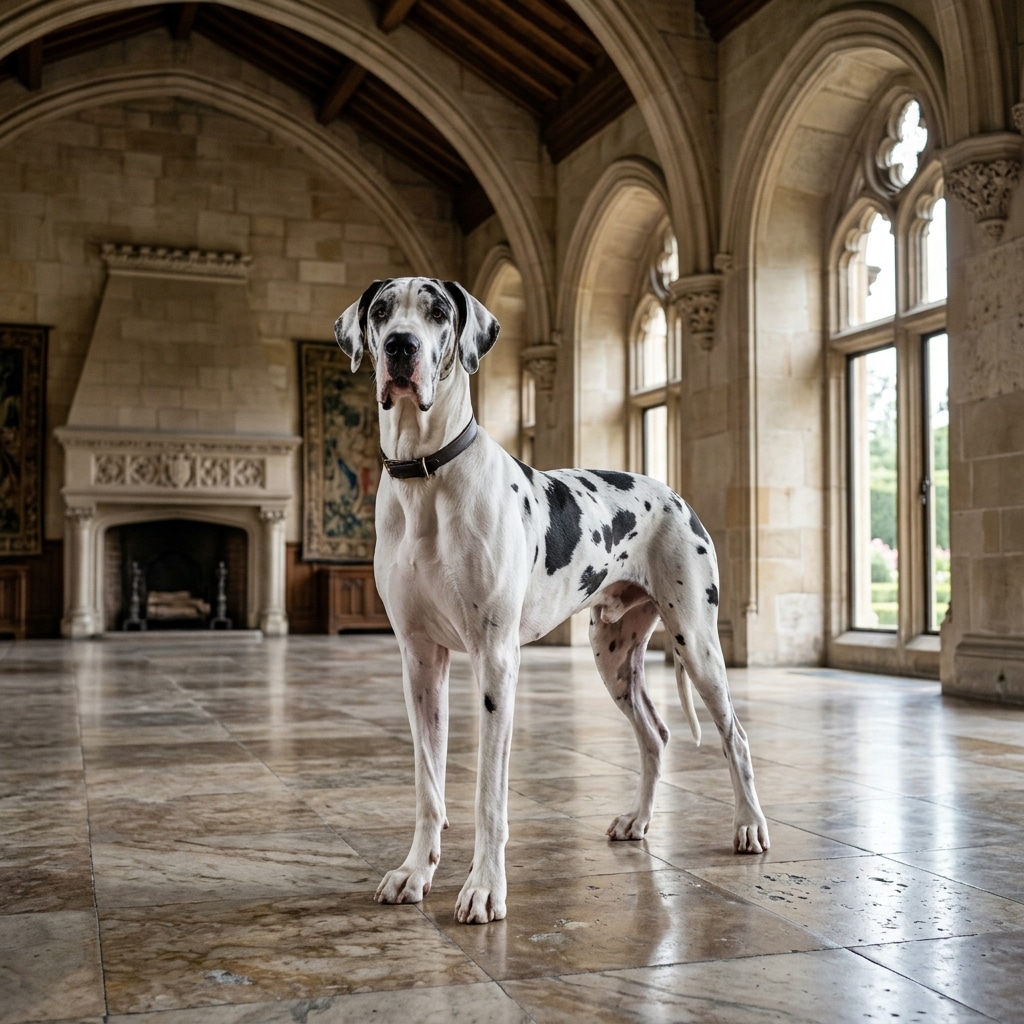
Great Danes impress people with their size, but giant breeds often pay for that size with shorter and more difficult lives.
Bloat is a constant fear because the condition can become fatal within hours. Joint disease and heart problems are also common.
Many owners fall deeply in love with these dogs only to lose them far earlier than expected. Vets often wish people understood that extreme size comes with extreme physical consequences.
13. Bernese Mountain Dog

Bernese mountain dogs are beautiful, gentle companions, but cancer rates in the breed are devastatingly high.
Many die years earlier than owners expect.
Joint disease and arthritis are also common because of their large build. Their cheerful personalities often hide discomfort until the disease becomes severe.
Vets frequently describe the breed as emotionally difficult because people lose these dogs so young.
12. Irish Wolfhound

Irish wolfhounds are calm and dignified dogs, but their bodies rarely hold up for long. Bone cancer, heart disease, and severe joint problems are all common.
Their giant size dramatically shortens their lifespan. Many owners feel blindsided by how quickly these dogs decline physically. Vets often say giant breeds live fast and age fast.
11. Neapolitan Mastiff
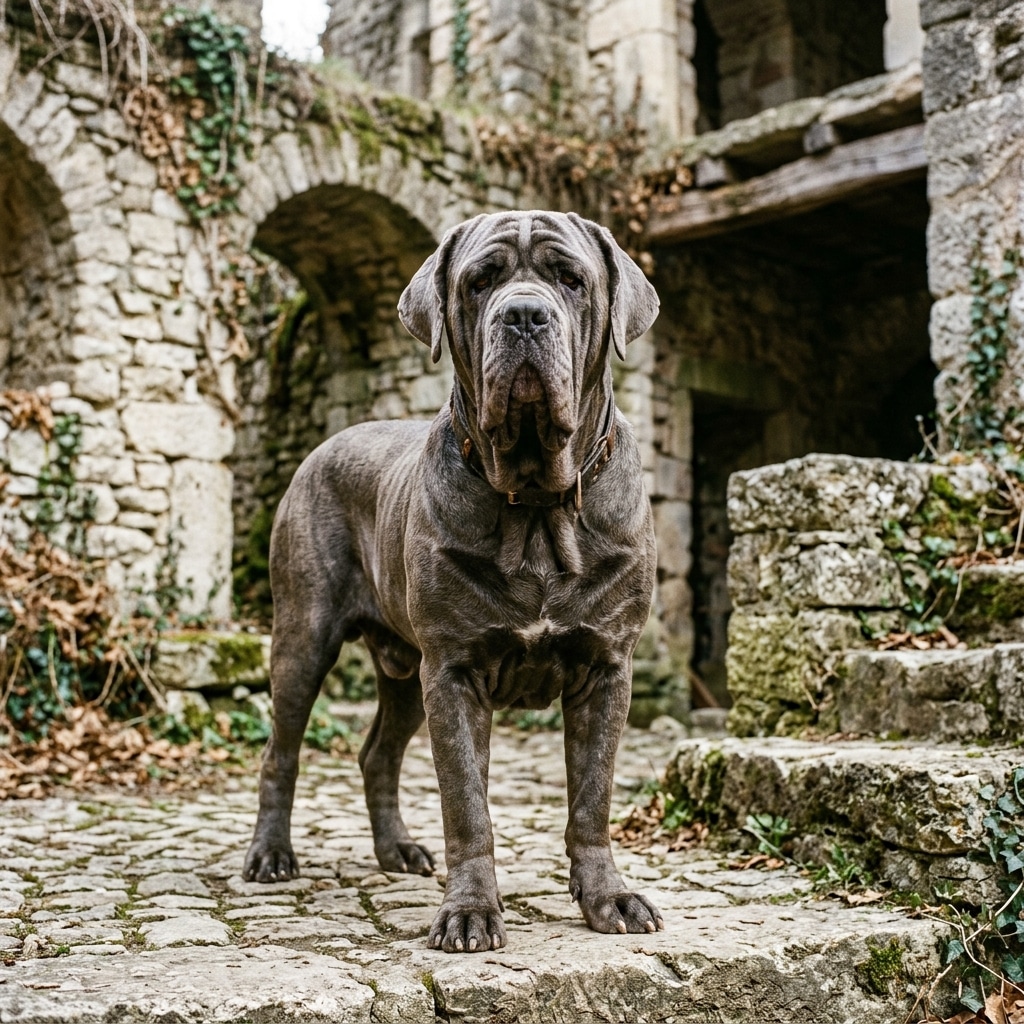
Neapolitan mastiffs have been bred into such an exaggerated form that many struggle with basic comfort. Their heavy folds trap moisture and bacteria constantly.
Eye disease, joint problems, and mobility issues are widespread. Some dogs can barely move comfortably by middle age.
Vets often feel the breed’s modern appearance crossed the line from impressive into physically harmful long ago.
10. German Shepherd

German shepherds are intelligent working dogs, but many modern bloodlines suffer from serious structural problems.
Hip dysplasia and elbow dysplasia are extremely common. Some dogs develop arthritis while still relatively young.
Vets also worry about exaggerated sloping backs that can worsen mobility issues over time. Many feel the breed drifted too far from its original athletic working structure.
9. Saint Bernard

Saint Bernards are gentle family dogs, but giant breeds often come with giant medical burdens. Joint disease, heart conditions, and bloat are all common.
Their huge bodies place relentless strain on their skeletons and ligaments. Heat intolerance can also become a major issue.
Vets know many owners fall in love with the image of the breed without understanding the physical reality.
8. Boxer

Boxers are energetic and lovable, but vets see alarming rates of cancer and heart disease in the breed.
Some develop dangerous heart rhythm disorders surprisingly young. Their shortened faces can also contribute to breathing difficulties during exercise or hot weather.
Owners are often shocked when apparently healthy boxers suddenly become seriously ill. Vets love the breed’s personality but hate the genetics behind it.
7. Doberman Pinscher

Dobermans are elegant and intelligent dogs, but many carry a frightening risk of heart failure.
Dilated cardiomyopathy is especially devastating in the breed because it can kill dogs suddenly with little warning. Bloat and joint problems are also common.
Some owners do not realize how genetically vulnerable these dogs can be until tragedy strikes. Vets often describe them as magnificent animals with heartbreaking health odds.
6. Rottweiler
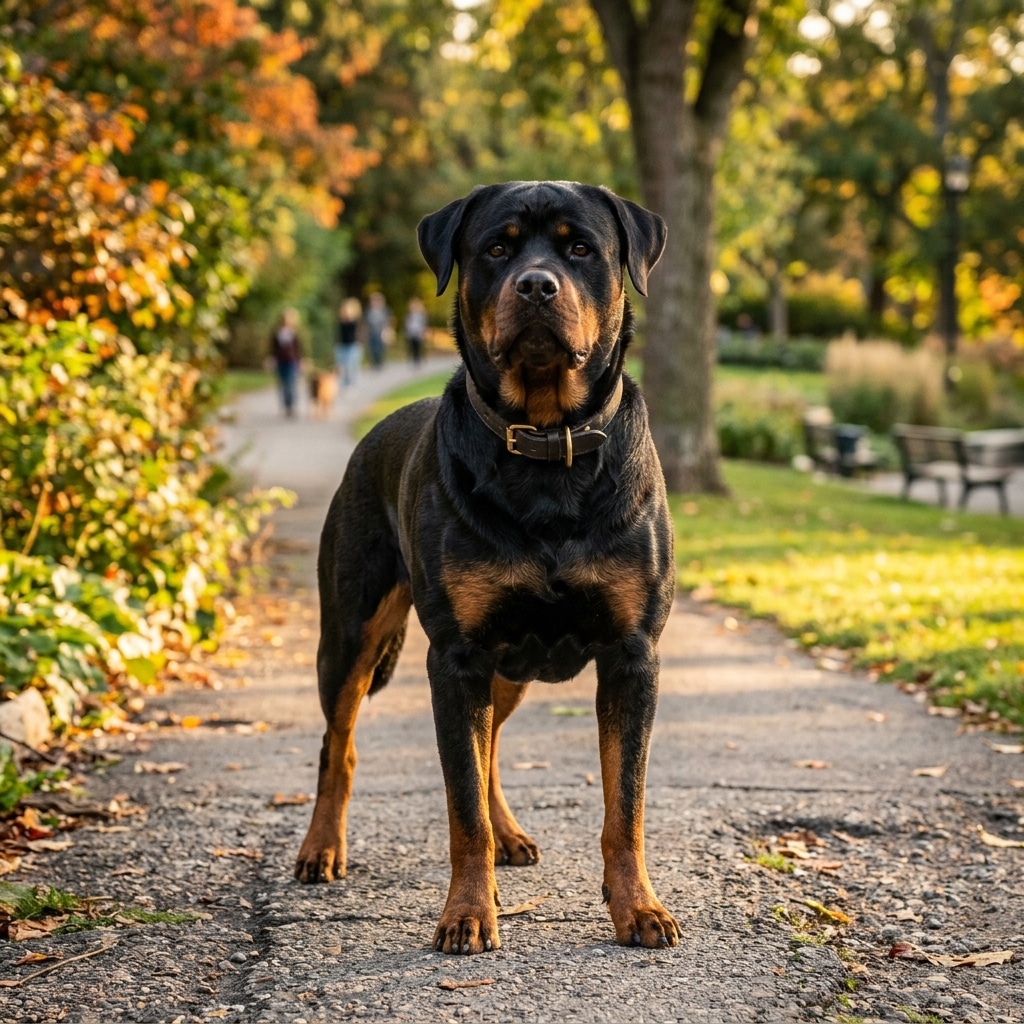
Rottweilers are powerful working dogs, but their size and breeding history create significant medical risks.
Hip dysplasia and ligament injuries are extremely common. Certain cancers also appear more frequently in the breed than many owners realize. Poor breeding can worsen both health and behavioral instability.
Vets often warn people that buying a badly bred rottweiler can create enormous emotional and financial stress.
5. Shih Tzu

Shih Tzus were bred to be companion dogs, but many struggle with chronic health issues tied directly to their appearance.
Their flattened faces often cause breathing trouble and poor heat tolerance. Their protruding eyes are vulnerable to injury, while dental disease becomes severe quickly because of overcrowded teeth.
Many owners also underestimate how demanding coat maintenance can become. Vets often see these little dogs needing far more medical care than people expected.
4. Basset Hound
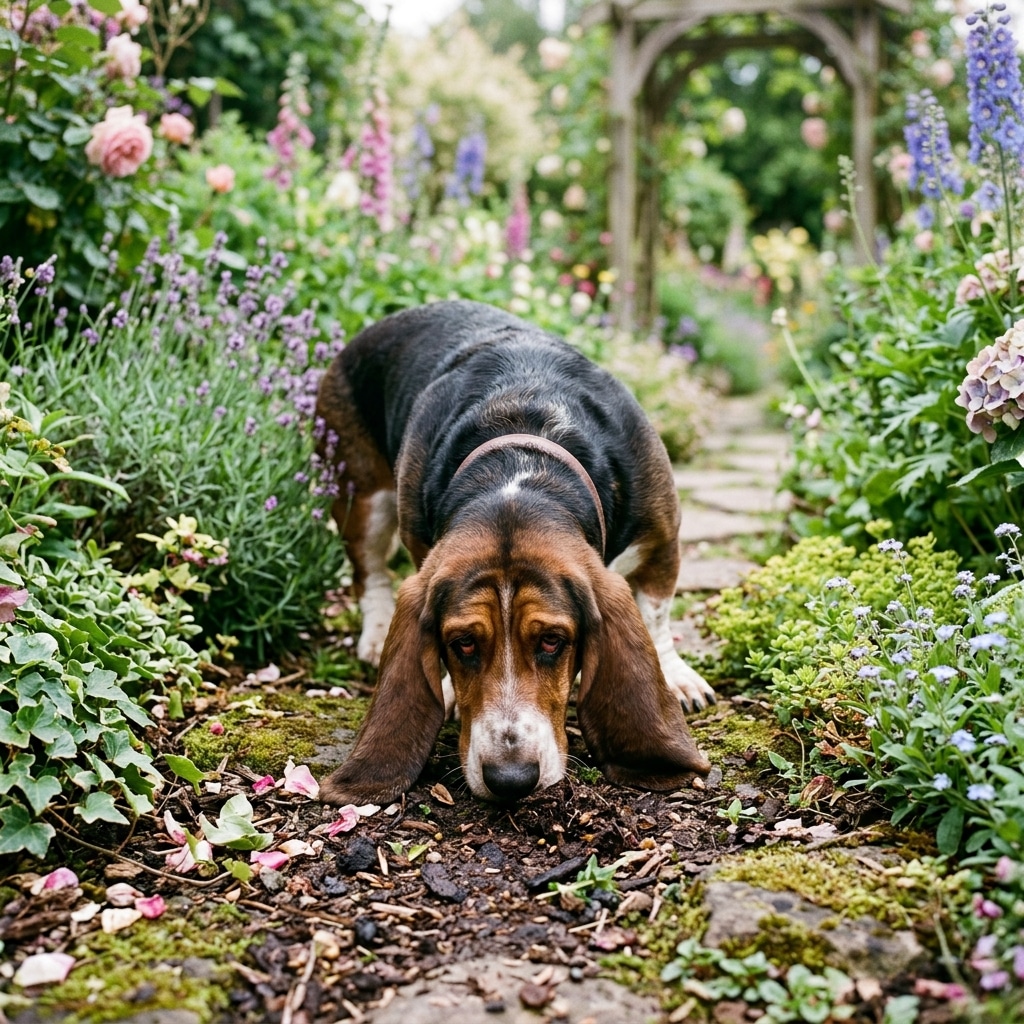
Basset hounds were bred with exaggerated short legs and long backs, and their bodies often pay the price for it.
Spinal disease, arthritis, and mobility problems are common. Their heavy ears trap bacteria and moisture, creating chronic infections. Obesity makes everything dramatically worse.
3. Cane Corso

Cane Corsos have surged in popularity, which worries many vets. Hip dysplasia, elbow problems, and heart disease are all concerns within the breed.
But vets also worry about the explosion of careless breeding driven by social media trends and demand for intimidating-looking dogs. Poorly bred Cane Corsos can develop both health problems and unstable temperaments.
Many vets fear the breed is heading down the same unhealthy path seen in other overpopular dogs.
2. American Cocker Spaniel

American cocker spaniels are beautiful dogs, but veterinary clinics see constant skin, ear, and eye problems in the breed.
Their long ears trap moisture so easily that repeated infections become common. Many also develop severe allergies requiring lifelong management. Eye disease is another major issue, especially as they age.
Vets often feel the breed became too heavily focused on appearance and coat quality at the expense of overall health.
1. Boston Terrier

Boston terriers are often marketed as easy, cheerful family dogs, but many vets see a breed quietly struggling with chronic breathing problems. A healthy dog should be able to run and cool itself comfortably, yet many Boston terriers cannot tolerate much heat or exertion.
Their protruding eyes are vulnerable to painful injuries, and allergies are common as well. Some owners do not realize their dog has breathing issues because the snorting and snoring have become normalized. Vets
often wish more people understood that “cute” breathing noises are usually signs of physical distress, not personality.

I am the founder and owner of Fauna Facts. My mission is to write valuable and entertaining information about animals and pets for my audience. I hope you enjoy the site!