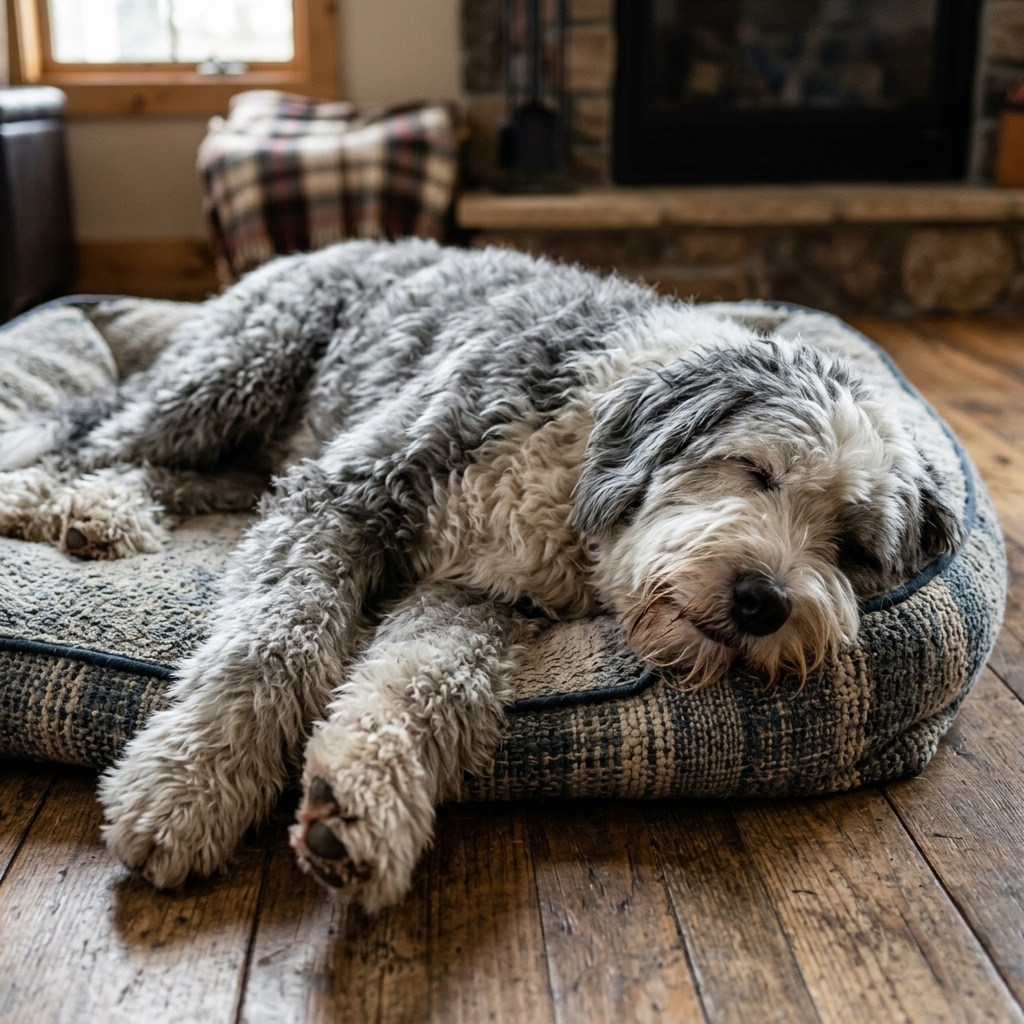
Dogs are incredibly patient animals. They adapt to human routines, human homes, and human behavior every single day. But that does not mean they enjoy everything humans do.
Many common human habits can confuse, stress, frustrate, or even frighten dogs without owners realizing it. Some behaviors damage trust slowly over time, while others create immediate anxiety.
Here are some of the most common human behaviors dogs tend to dislike the most.
35. Hugging Them Too Tightly
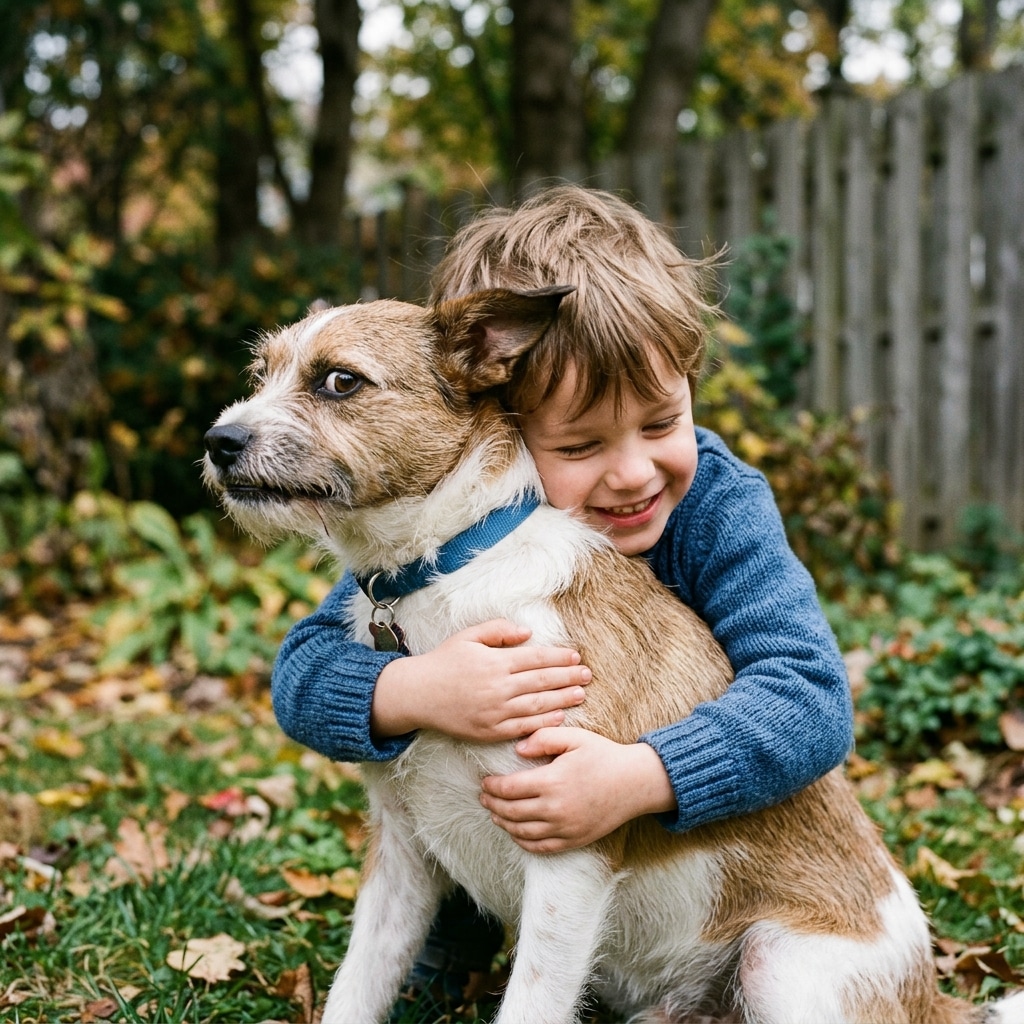
Humans see hugs as affectionate. Many dogs experience tight hugs as restraint instead. Being held too closely can make dogs feel trapped or uncomfortable, especially if they cannot move away freely.
Some dogs tolerate hugs because they trust their owners, but many show subtle stress signals like freezing, lip licking, or walking away afterward. Learning a dog’s preferred ways of showing affection usually creates a stronger bond than forcing human-style affection onto them.
34. Staring Into Their Eyes
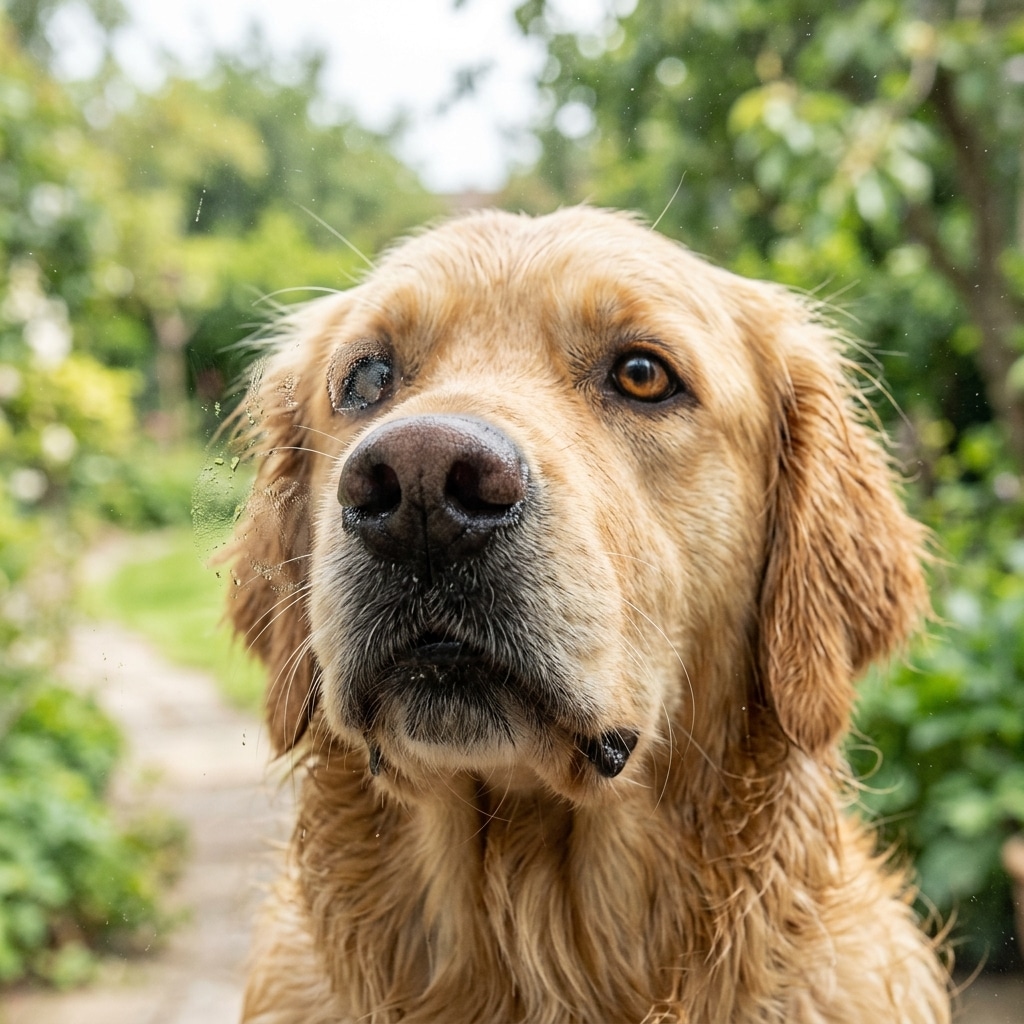
Humans often use eye contact to show attention or connection. In the dog world, however, prolonged direct staring can feel threatening or confrontational.
Some dogs become visibly uncomfortable when someone stares intensely into their eyes for too long. Soft, relaxed eye contact paired with calm body language is usually far more reassuring to dogs.
33. Yelling Across the House
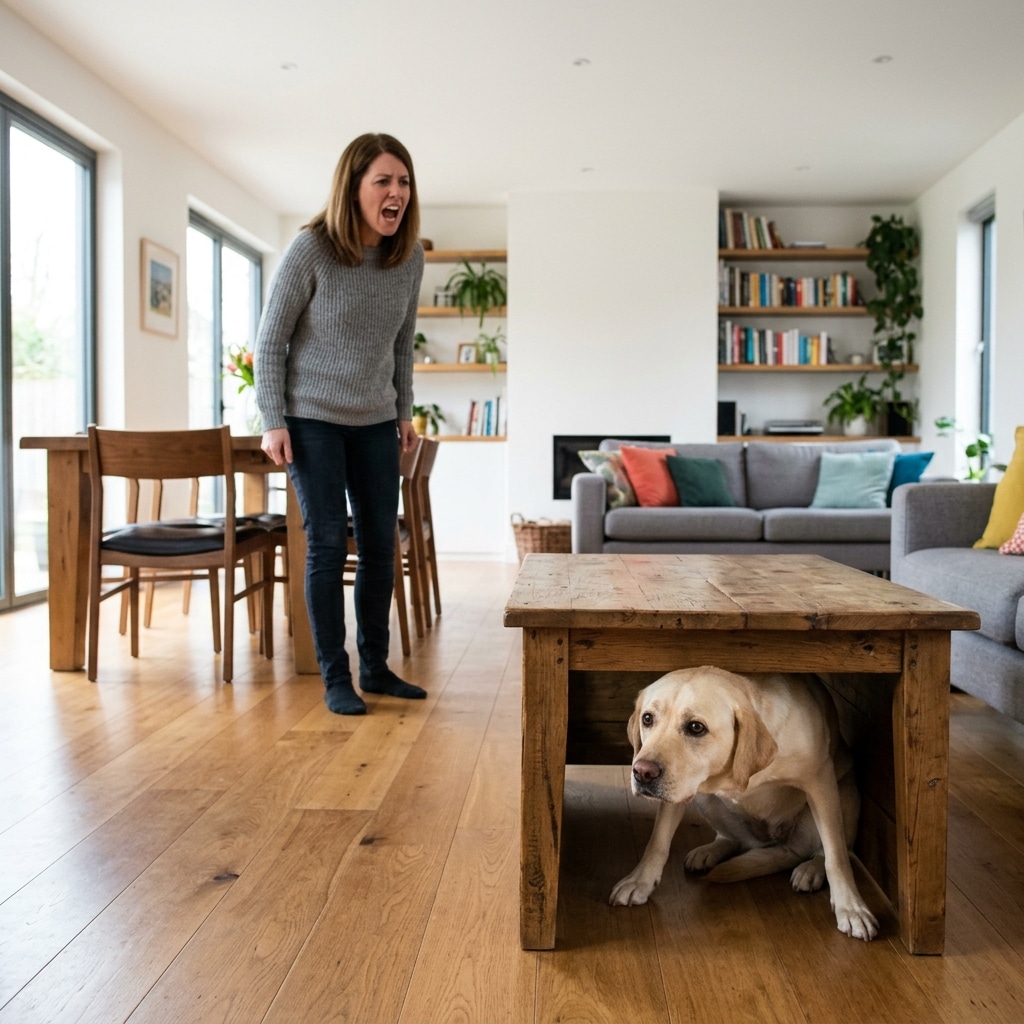
Dogs have far more sensitive hearing than humans. Loud shouting can feel stressful, chaotic, and unpredictable to them.
In homes with frequent yelling, many dogs become anxious or start hiding during loud moments. Calm households often help dogs feel safer, more predictable, and more emotionally relaxed.
32. Ignoring Them All Day
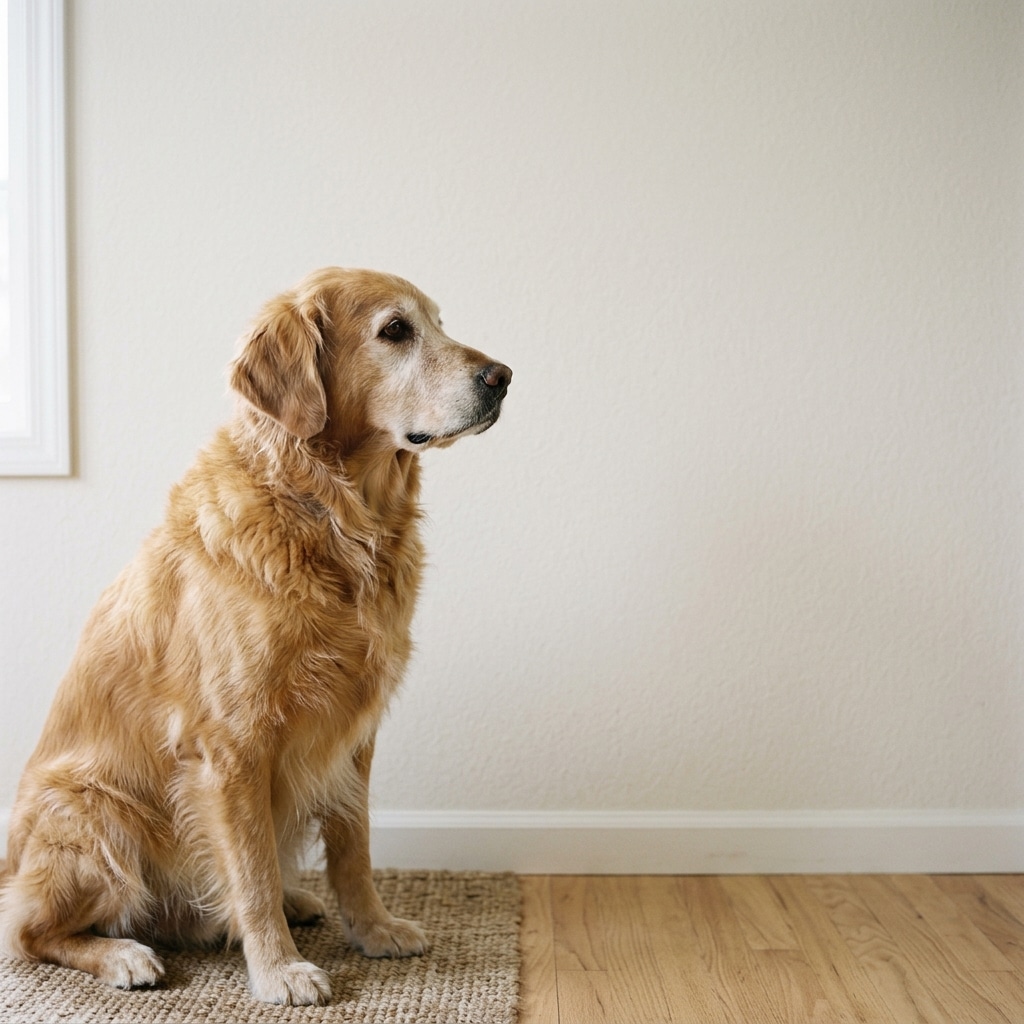
Dogs are highly social animals that thrive on interaction and companionship. Long periods of emotional neglect can leave them feeling isolated or confused.
Even independent dogs usually want regular connection with their humans throughout the day. Small moments of attention and engagement can matter far more to a dog than many owners realize.
31. Pulling Them Around on the Leash
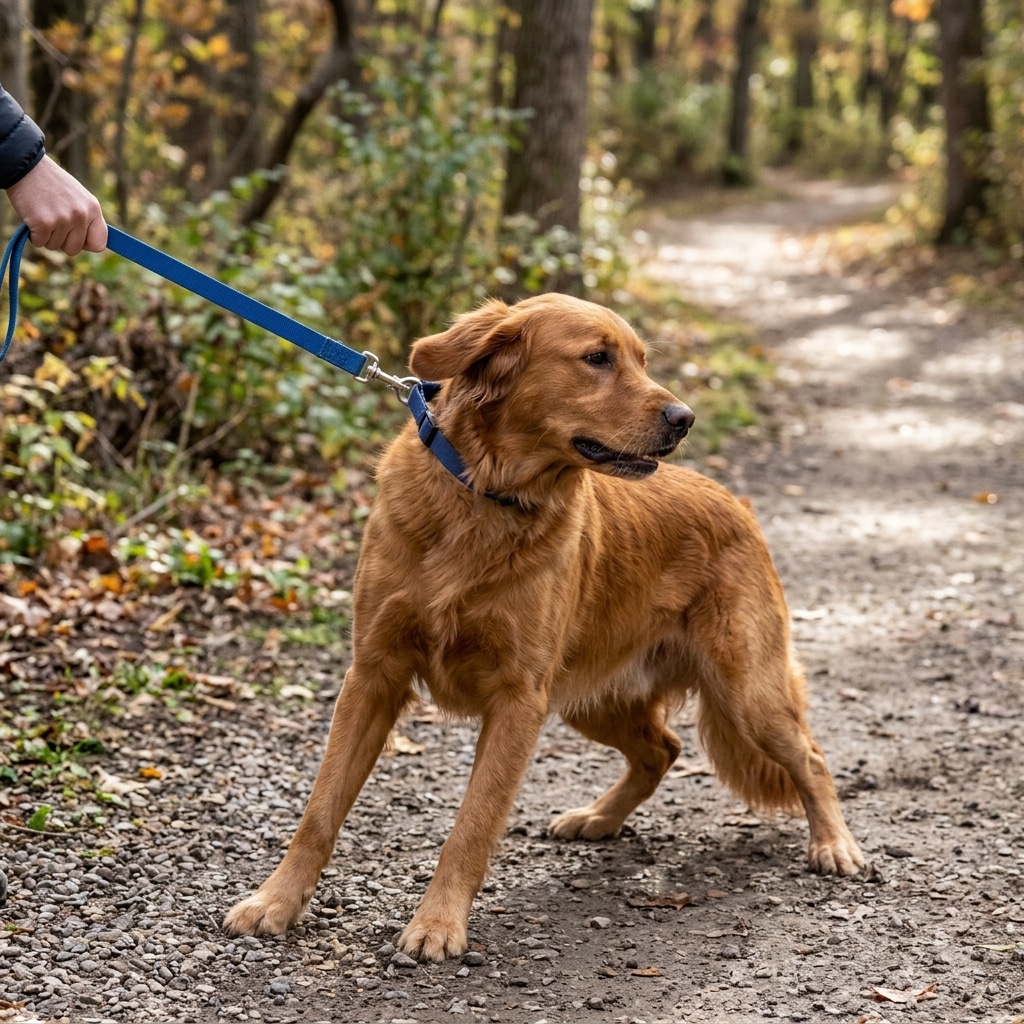
Many people rush walks without realizing how important exploration is for dogs. Constant leash pulling can turn walks into stressful experiences instead of enjoyable ones.
For dogs, walks are about mental stimulation just as much as physical exercise. Slowing down occasionally and letting dogs explore their environment can make walks far more fulfilling for them.
30. Forcing Them to Meet Everyone
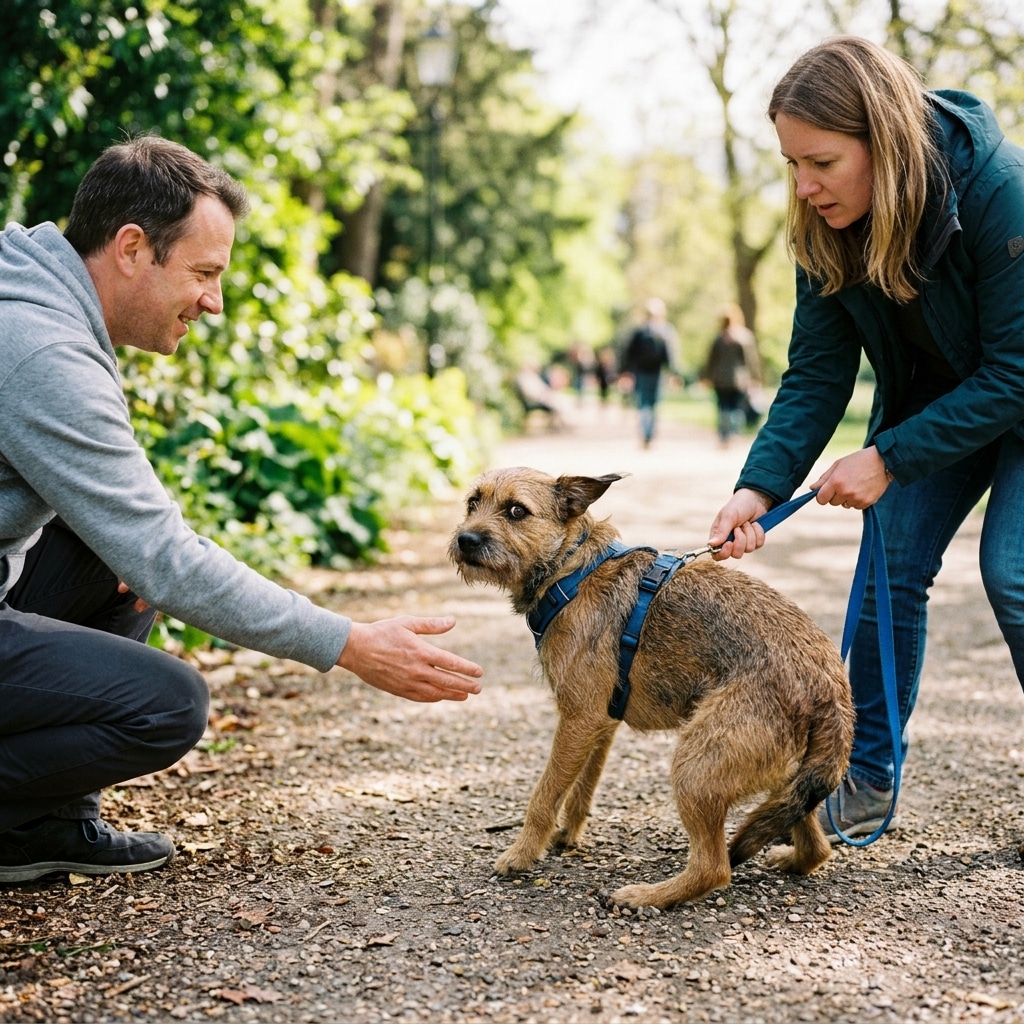
Not every dog enjoys attention from strangers. Some dogs become overwhelmed when humans constantly push them into social interactions they are uncomfortable with.
A dog tolerating attention does not always mean the dog is enjoying it. Respecting a dog’s comfort level helps build confidence instead of anxiety.
29. Dressing Them in Costumes
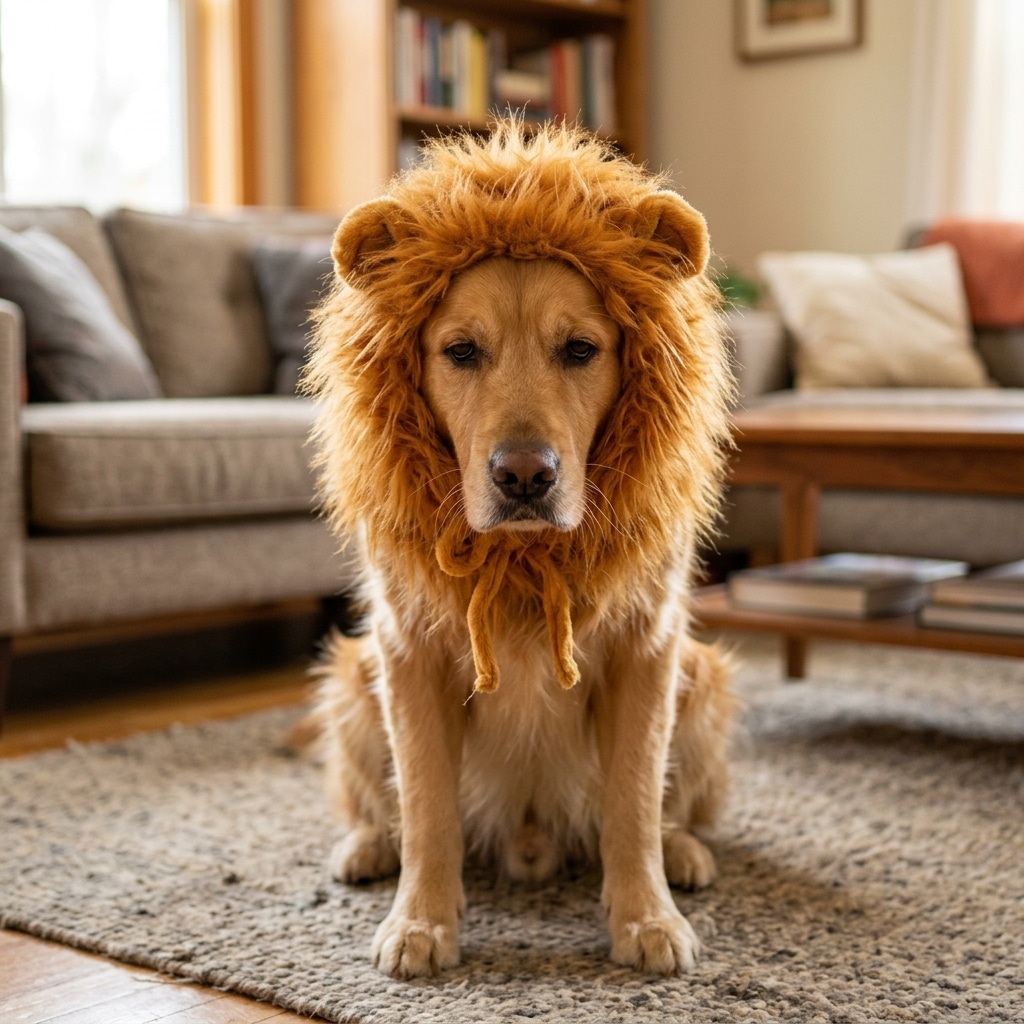
Humans often find costumes funny or adorable. Dogs usually find them restrictive, confusing, or uncomfortable.
Many dogs become stiff, stressed, or unusually still when dressed in outfits they dislike. Comfort and freedom of movement matter far more to dogs than human entertainment.
28. Punishing Them Long After the Fact

Dogs do not connect delayed punishment to something they did hours earlier. Punishing them after the fact usually creates confusion instead of learning.
The dog simply sees an angry human without understanding why. Effective training works best when guidance happens clearly and immediately in the moment.
27. Patting Them on the Head
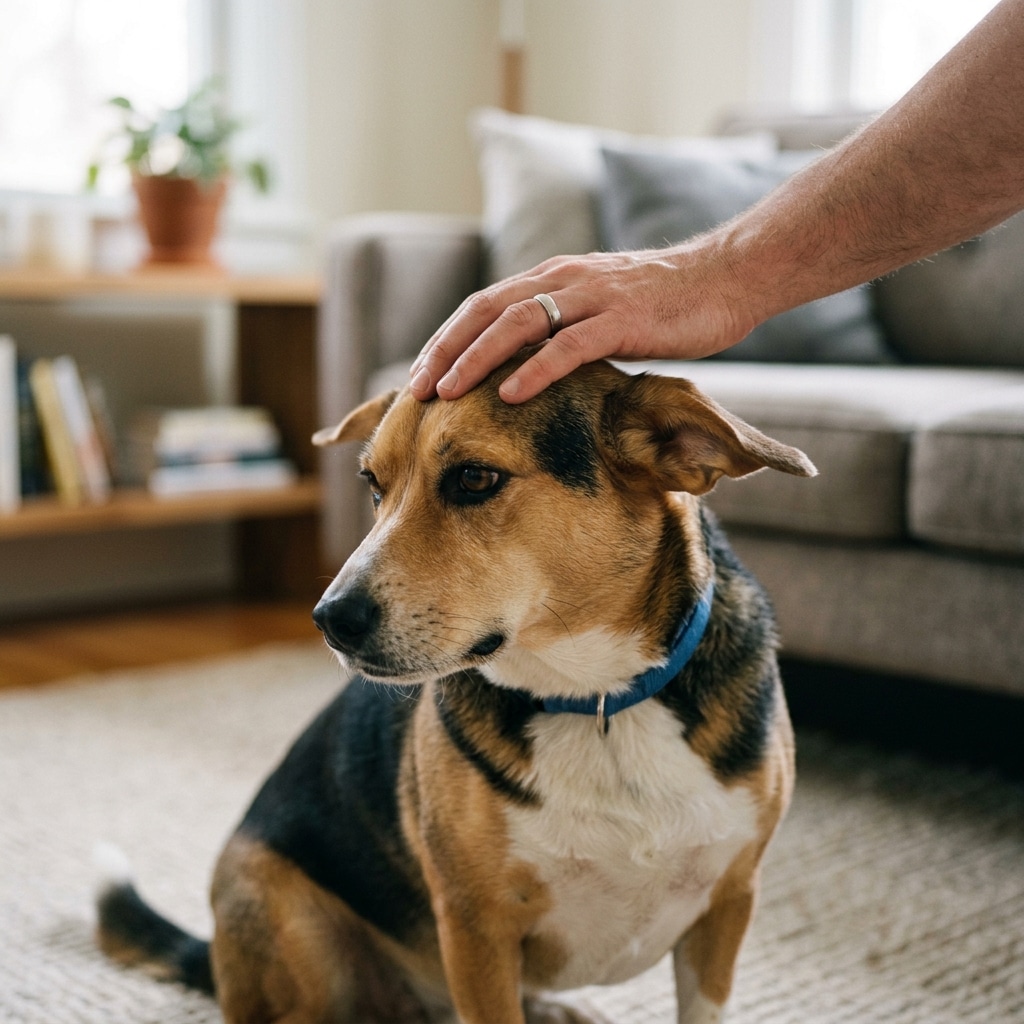
Many people instinctively reach toward a dog’s head first. Some dogs dislike hands moving directly toward their face from above.
Gentler contact around the chest or shoulders is often more comfortable for them. Allowing dogs to approach first often creates more positive interactions.
26. Leaving Them Alone Too Long
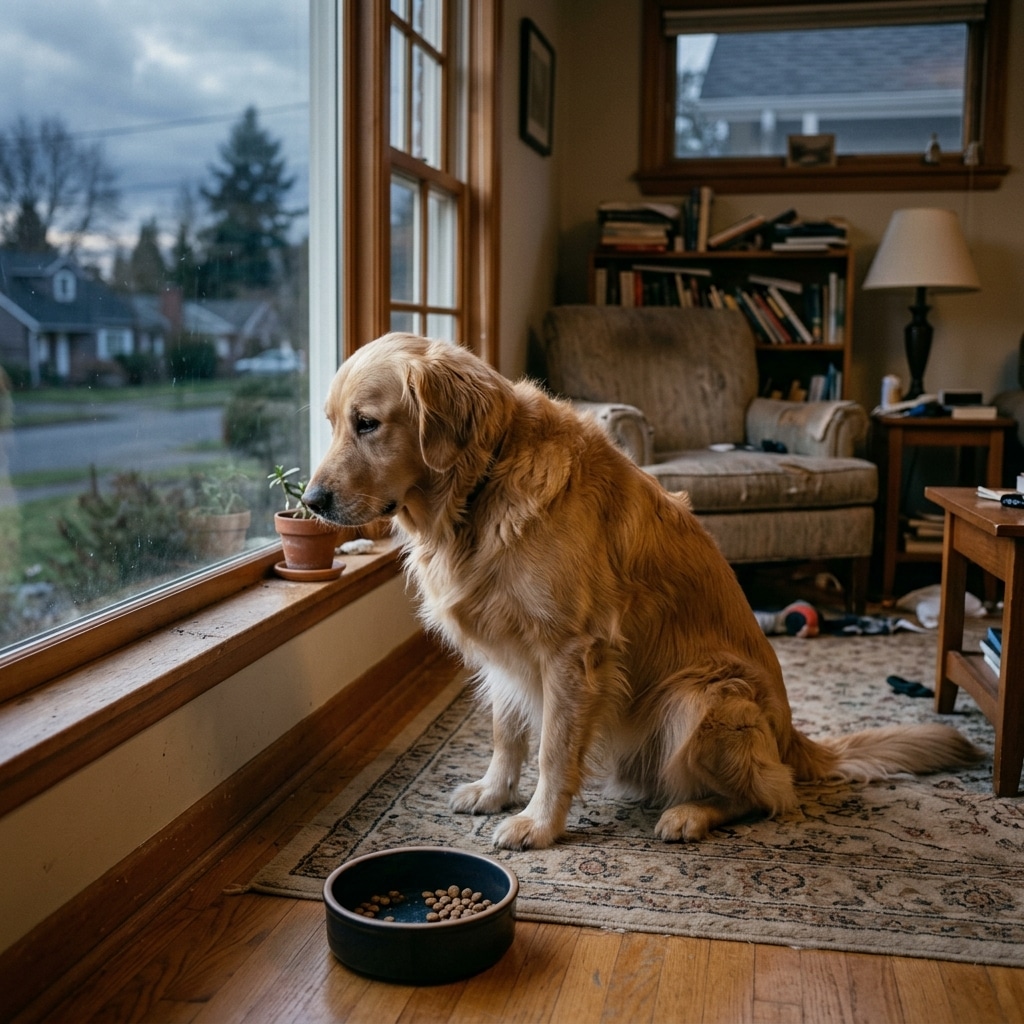
Dogs often struggle with long periods of isolation. Extended loneliness can lead to boredom, anxiety, depression, or destructive behavior.
This is especially common in highly social or energetic breeds. Many behavioral problems improve dramatically when dogs receive more companionship and stimulation.
25. Not Letting Them Sniff
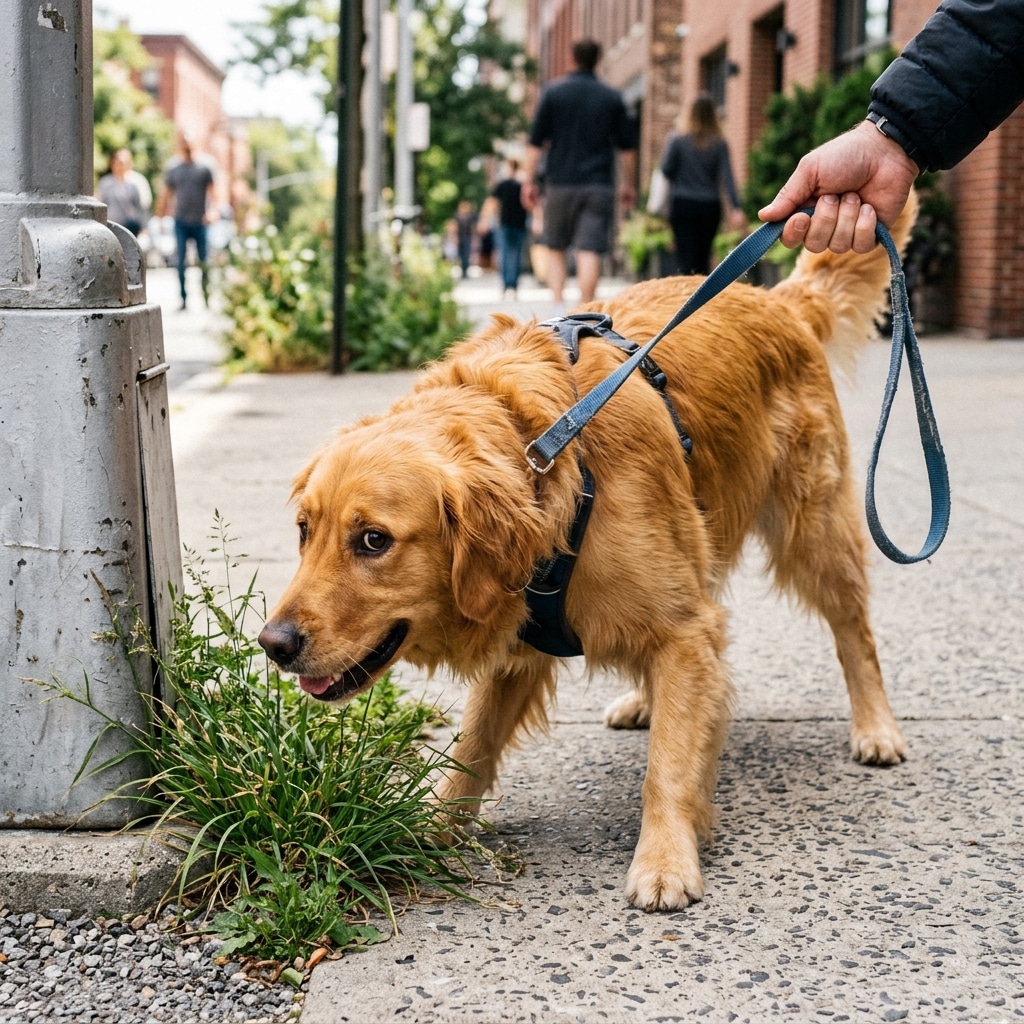
Humans often treat walks like quick exercise sessions. For dogs, sniffing is one of the most important ways they explore and understand the world.
Preventing sniffing can make walks frustrating instead of mentally enriching. Sniffing gives dogs valuable mental stimulation that can tire them out just as much as physical activity.
24. Fake Throwing the Ball
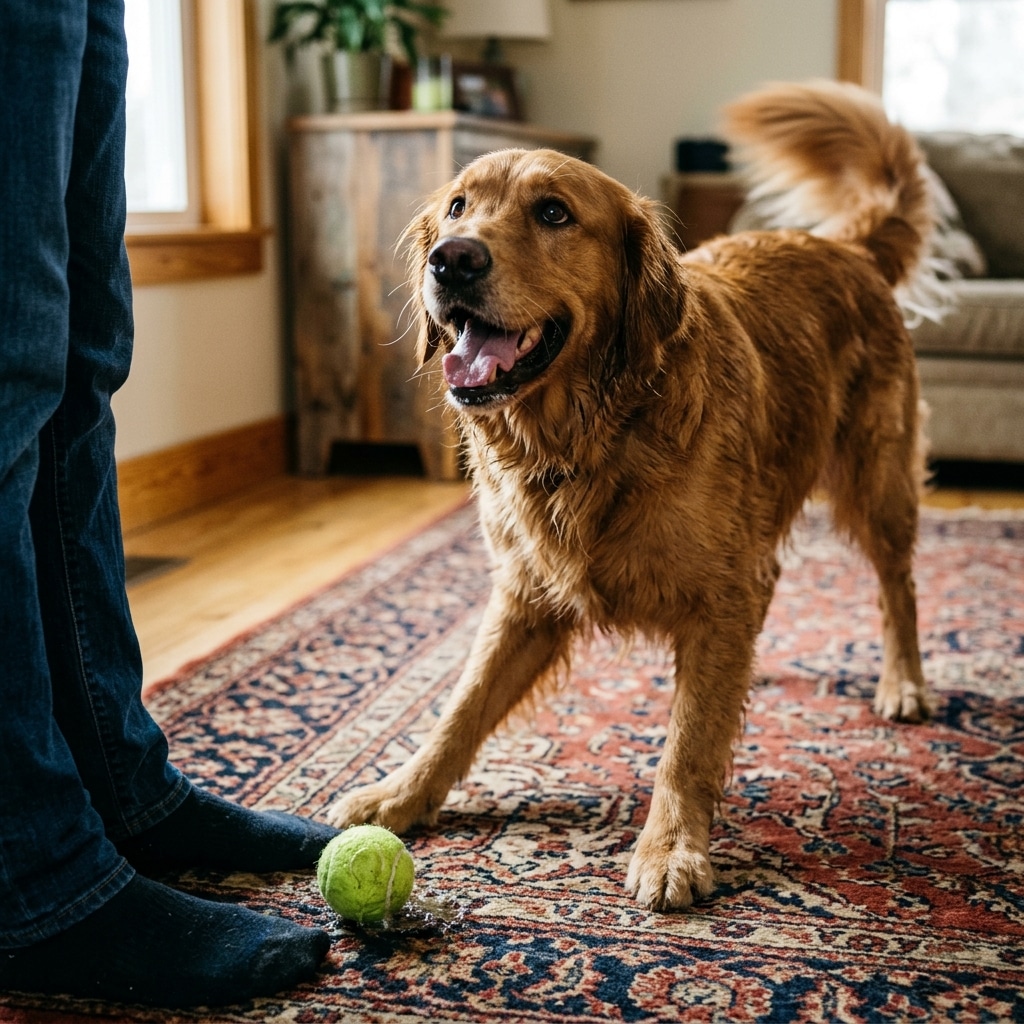
Humans may think fake throws are harmless fun. Many dogs become frustrated once they realize the game is deceptive.
Repeated teasing during play can reduce trust and enjoyment. Dogs usually enjoy games most when the interaction feels fair and predictable.
23. Bath Time Without Warning
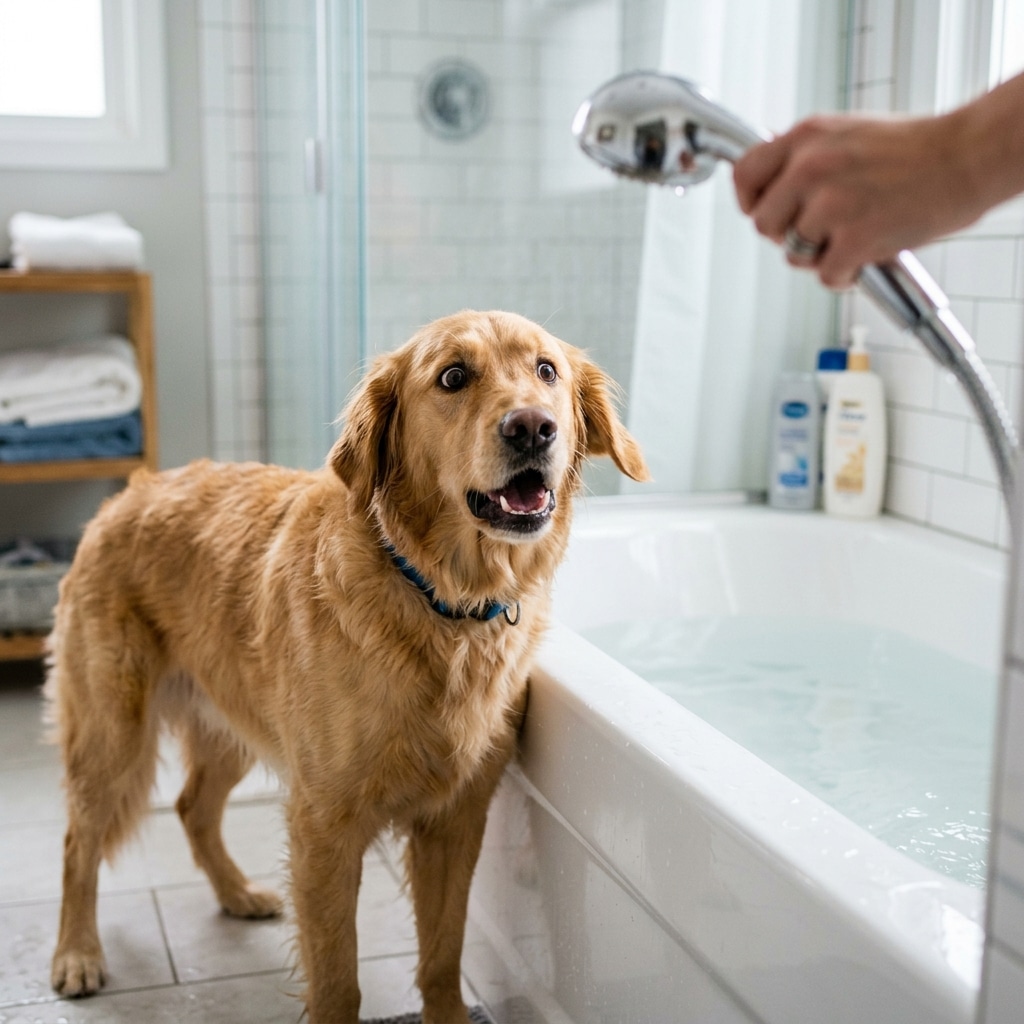
Many dogs dislike sudden baths because the experience feels unpredictable and uncomfortable. Dragging a nervous dog straight into water often increases stress.
Calm preparation and positive associations usually help far more. Patient routines can slowly help dogs feel safer during uncomfortable experiences.
22. Blasting Loud Music or Fireworks
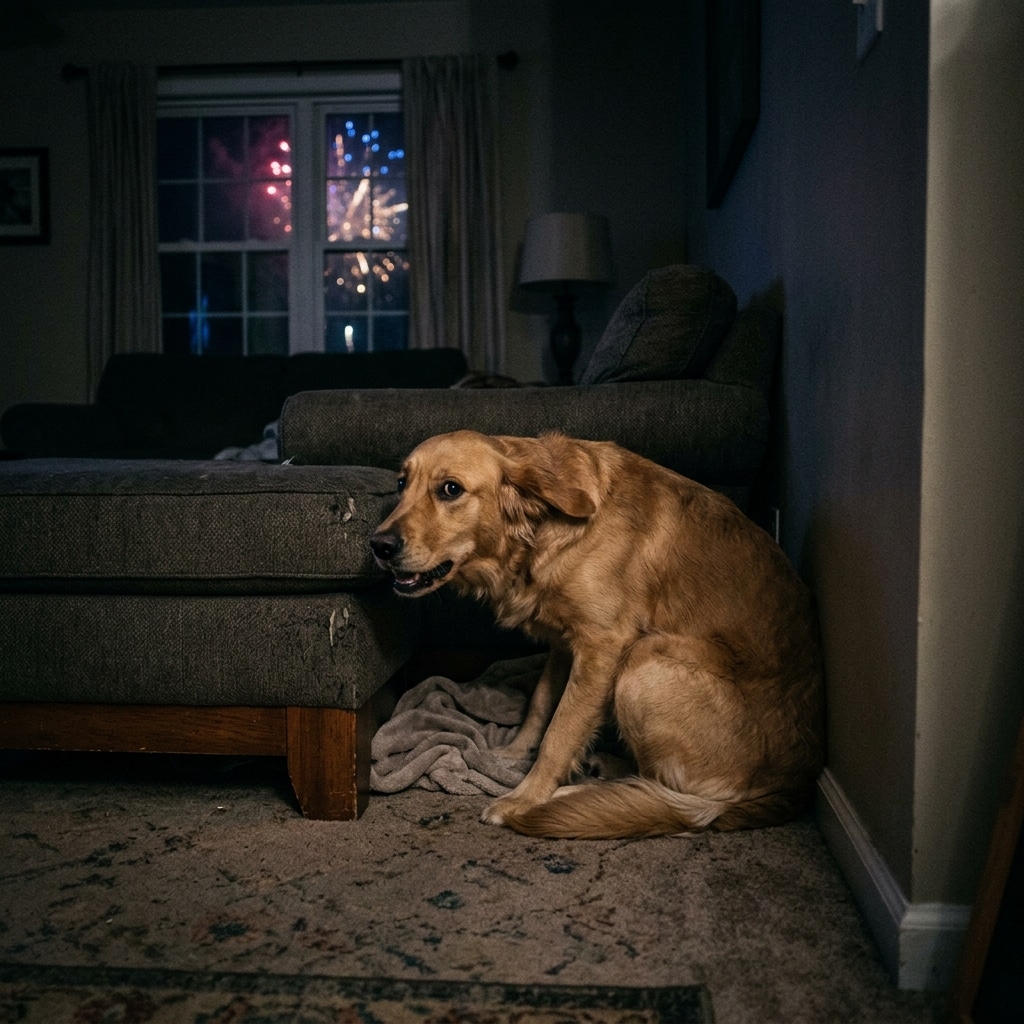
Dogs hear sounds much more intensely than humans do. Loud music, fireworks, and sudden explosive noises can feel terrifying to them.
Many dogs shake, hide, pace, or panic during loud events. Creating a quiet, secure environment during noisy events can greatly reduce stress for sensitive dogs.
21. Teasing Them With Food
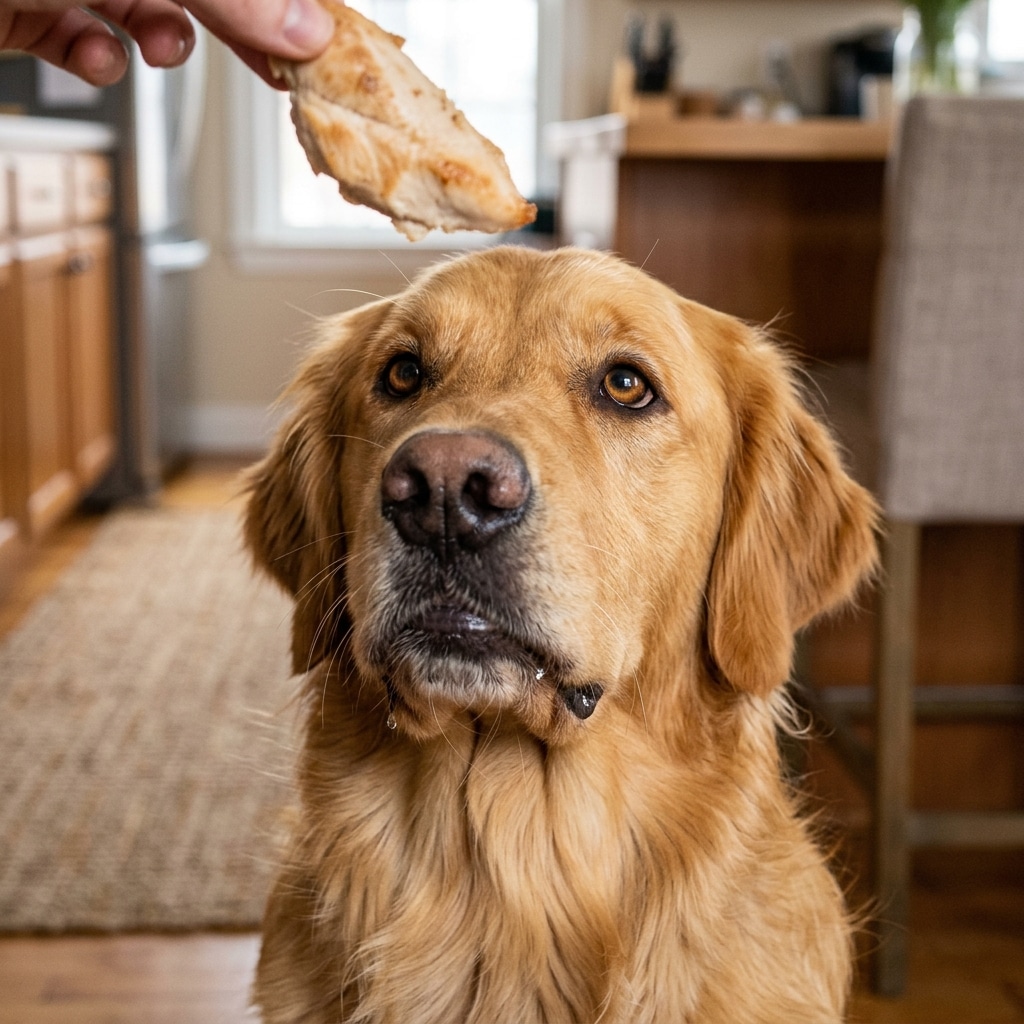
Holding food near a dog and then pulling it away may seem funny to some people. For dogs, it often creates frustration and confusion.
Food trust is important for animals, especially around humans they rely on daily. Positive feeding experiences help dogs feel more secure and relaxed around people.
20. Waking Them Up Suddenly
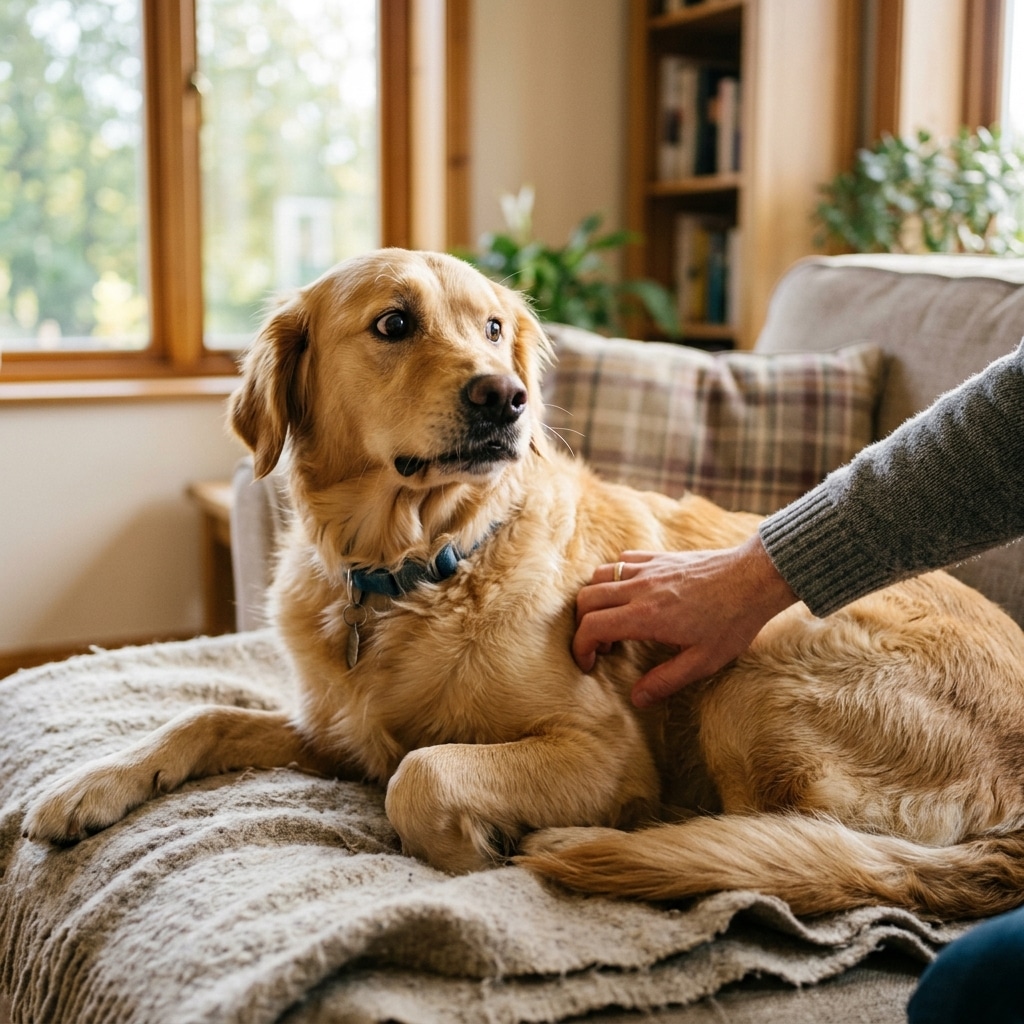
Dogs need uninterrupted rest just like humans do. Being startled awake can create stress or defensive reactions.
Some dogs react fearfully when shocked awake unexpectedly. Letting sleeping dogs wake naturally often leads to calmer and safer interactions.
19. Crowding Their Face
Many humans instinctively move their face very close to a dog’s face. Some dogs find this intimidating or stressful.
Dogs usually respond better to calm, respectful body language. Giving dogs a little personal space often helps them feel more comfortable and trusting.
18. Being Inconsistent With Rules
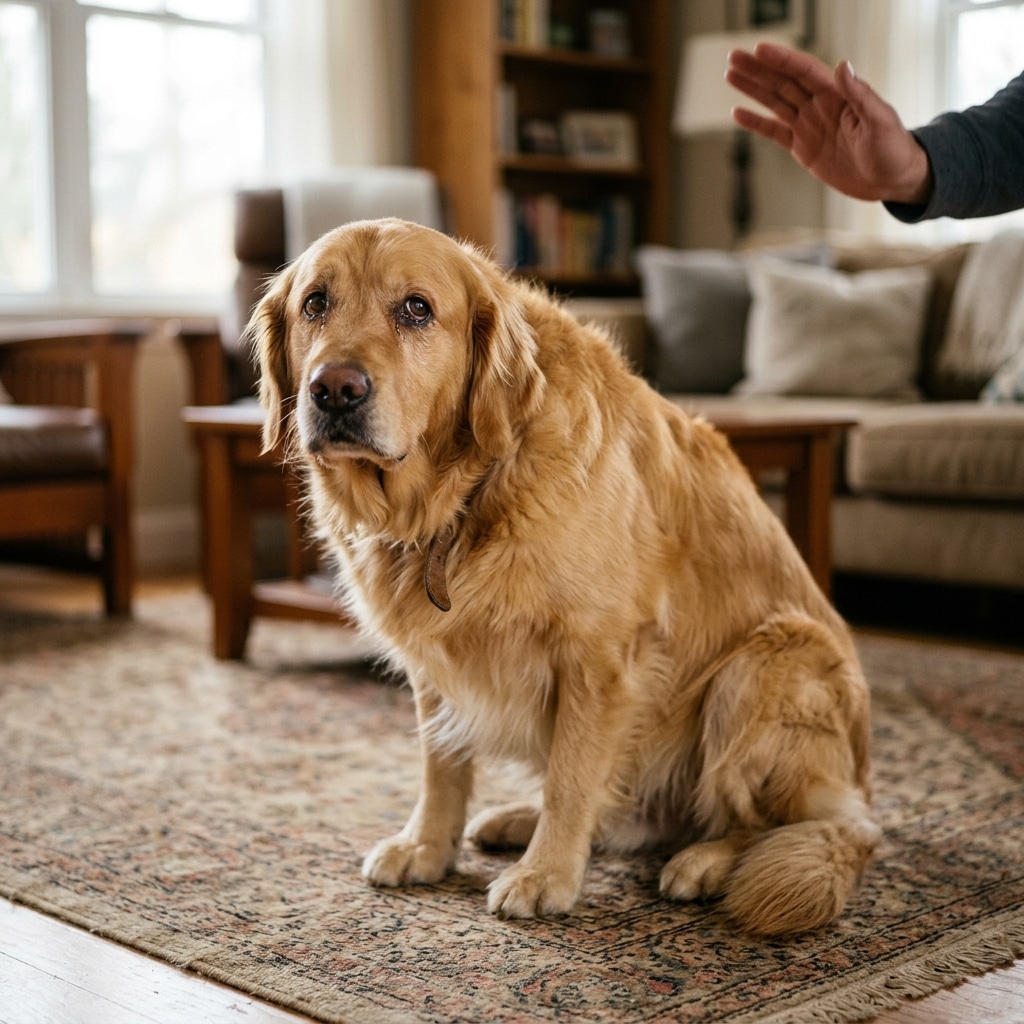
Dogs thrive on predictability. Constantly changing rules creates confusion and makes training much harder.
A dog allowed on the couch one day but punished for it the next may struggle to understand expectations. Consistency helps dogs feel secure because they know what is expected of them.
17. Punishing Growling
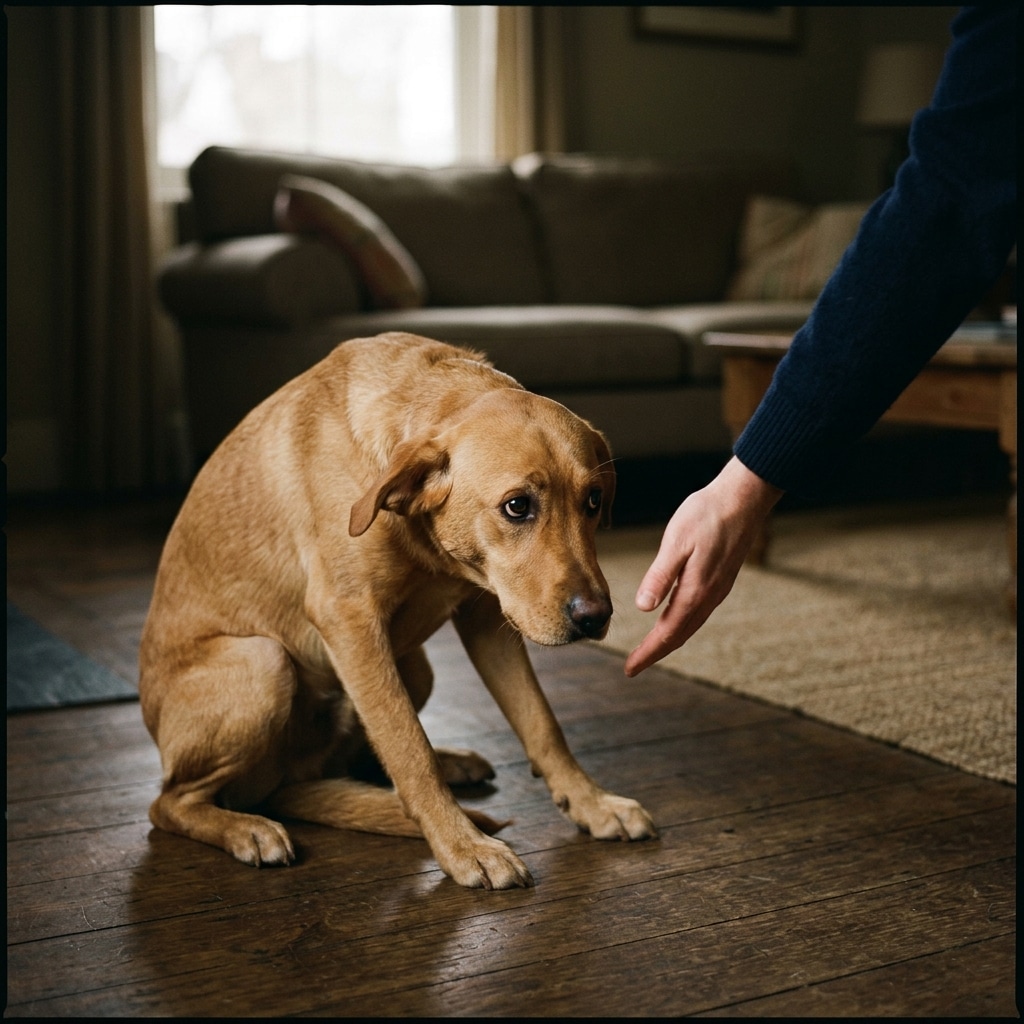
Growling is communication. It is often a warning sign that a dog feels uncomfortable, fearful, or threatened.
Punishing growling can teach dogs to stop warning before reacting. Listening to warning signals helps prevent situations from escalating further.
16. Rough Handling
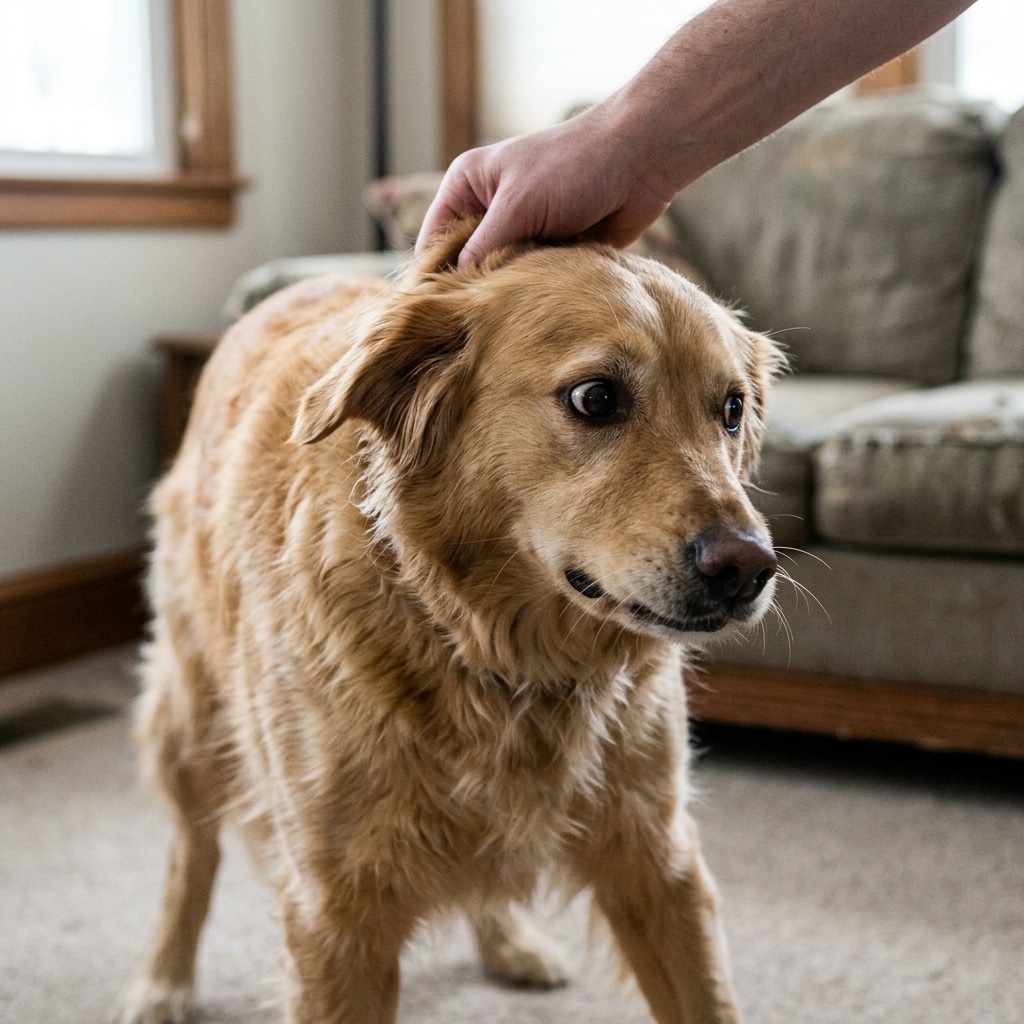
Some people grab, shove, drag, or physically move dogs too roughly. Even playful roughness can create fear and mistrust over time.
Gentle handling builds confidence and security far more effectively. Dogs that feel physically safe around humans are usually calmer and more trusting overall.
15. Leaving Them Out of Family Activities
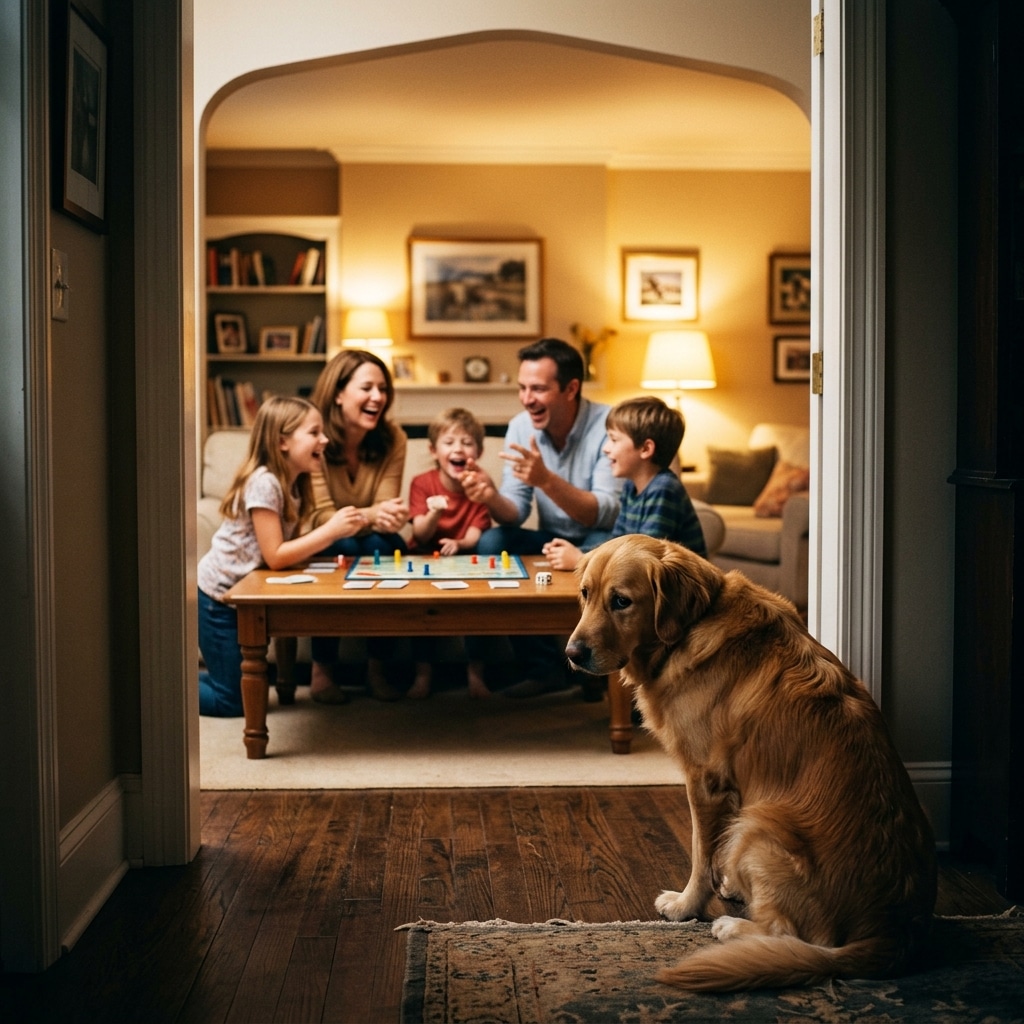
Dogs are deeply social animals that usually want to stay near their people. Constant exclusion can leave them feeling isolated from the group.
Many dogs simply enjoy being included nearby, even quietly. Feeling included often strengthens a dog’s sense of security within the household.
14. Forcing Them Into Uncomfortable Situations
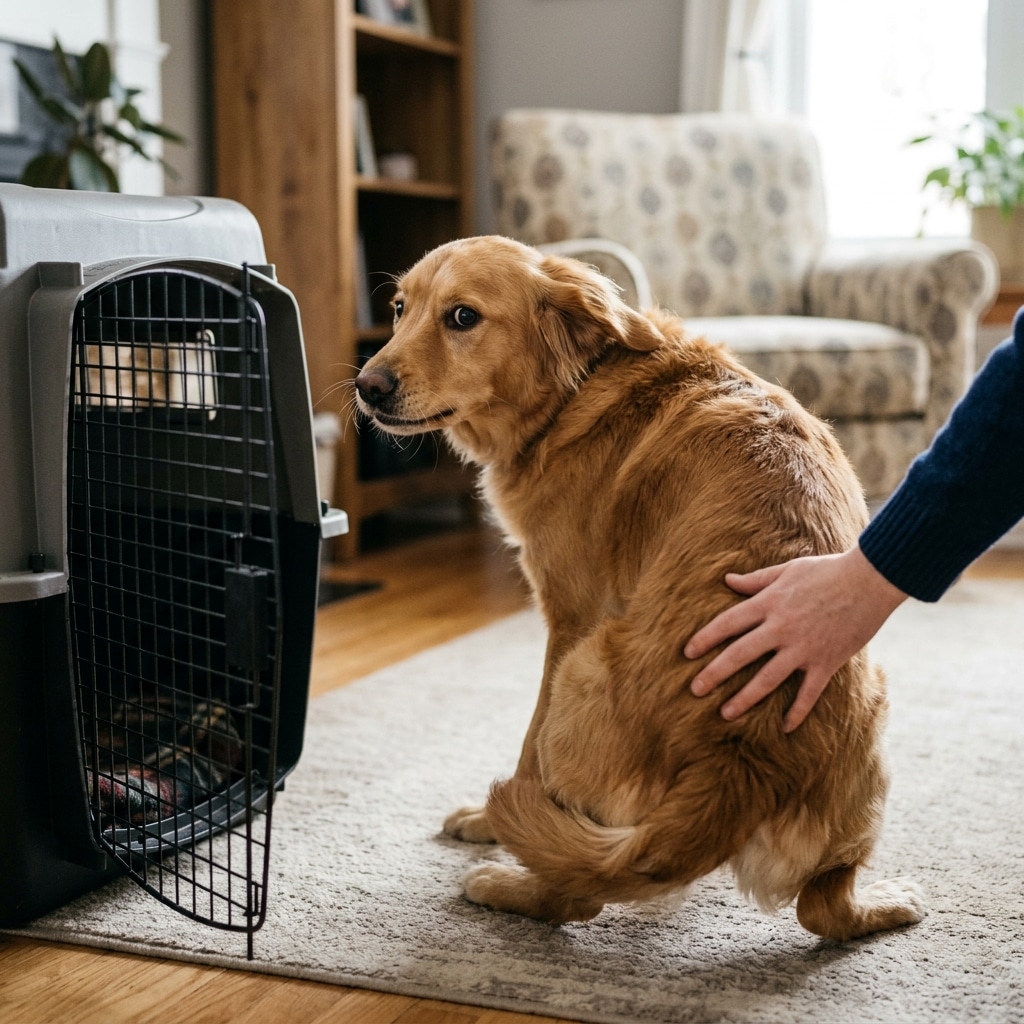
Some dogs clearly dislike crowded parks, noisy gatherings, or chaotic environments. Ignoring those stress signals can overwhelm them quickly.
Dogs need opportunities to retreat from situations that feel unsafe. Respecting a dog’s limits often leads to greater confidence over time.
13. Laughing at Their Fear
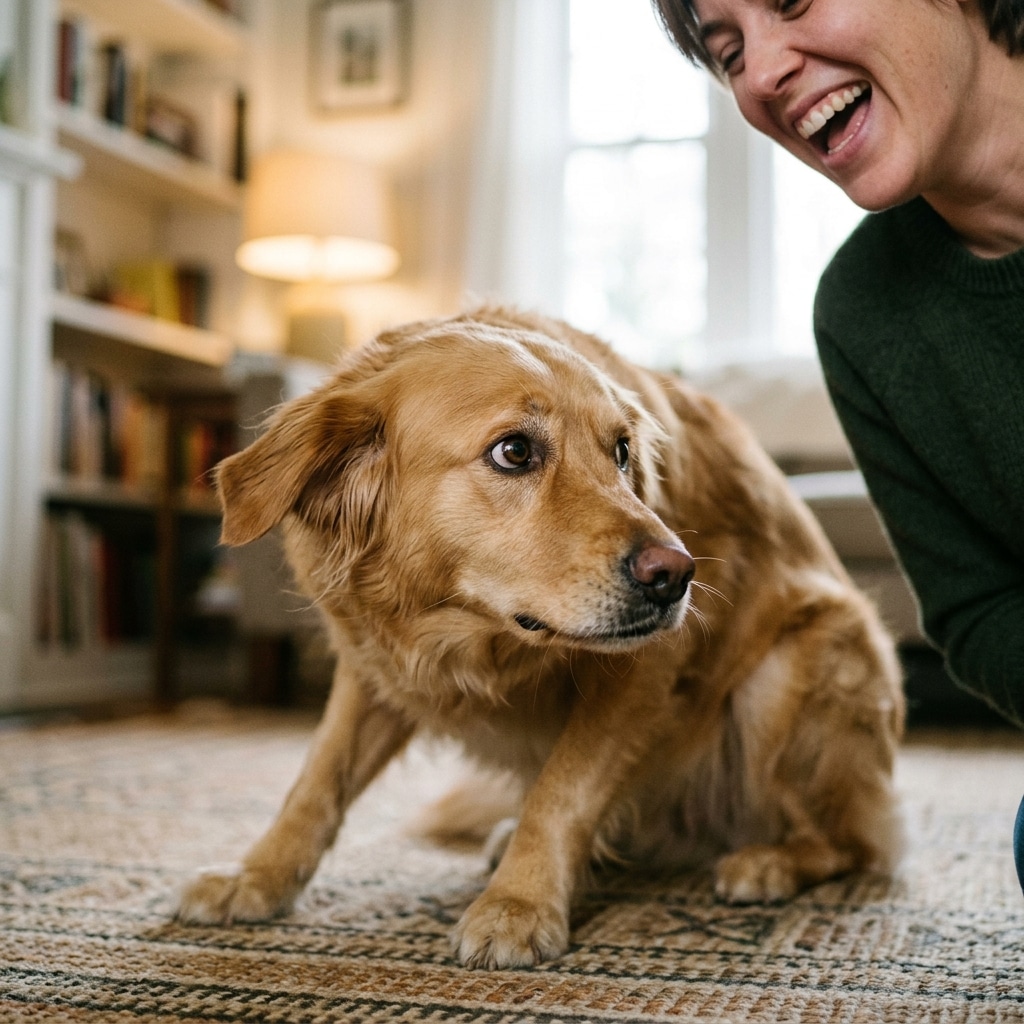
Humans sometimes laugh when dogs panic over harmless things. But to the dog, the fear feels completely real.
Mocking fear instead of helping can damage trust and increase anxiety. Calm reassurance usually helps fearful dogs recover much faster.
12. Constantly Touching Them
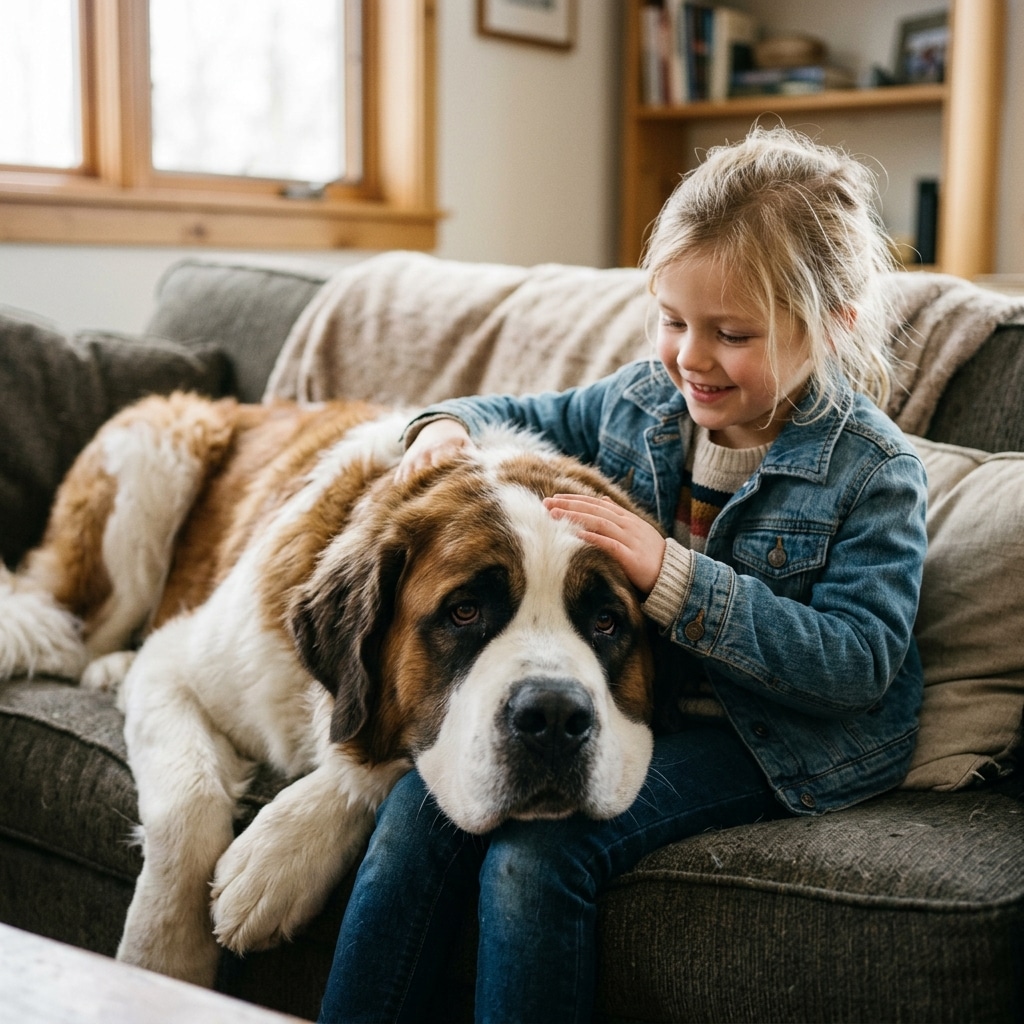
Not all dogs enjoy nonstop physical contact. Some dogs become irritated when people never leave them alone.
Respecting boundaries matters with dogs just as much as it does with humans. Dogs that feel respected are often more affectionate on their own terms.
11. Dragging Them Into Crowded Dog Parks
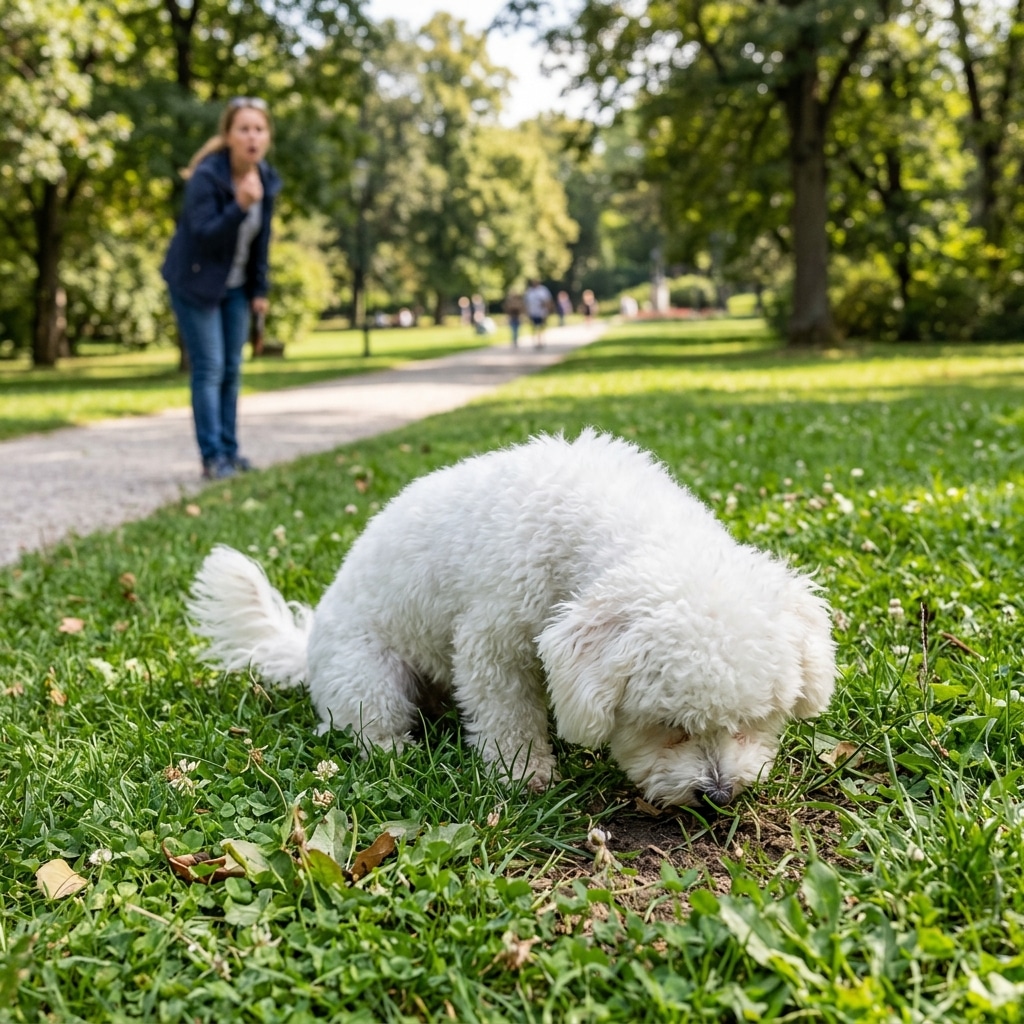
Many people assume every dog automatically loves dog parks. In reality, some dogs find them stressful and overstimulating.
Socialization should never mean forcing a dog into overwhelming situations. Good social experiences are usually gradual, calm, and positive.
10. Using an Angry Tone Constantly
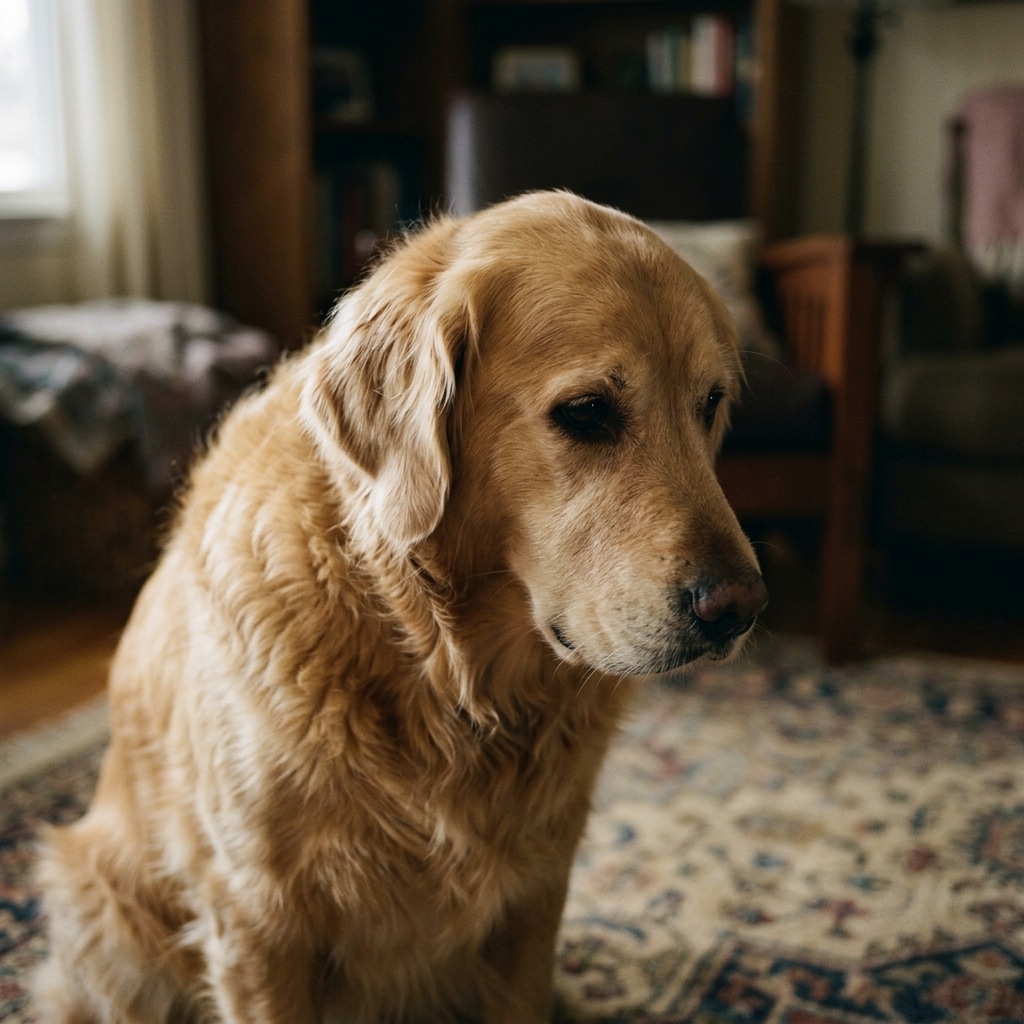
Dogs are highly sensitive to tone of voice and emotional energy. Constant tension or frustration in a household can make dogs nervous and unsettled.
Many dogs become calmer in quieter, more emotionally stable environments. Dogs often mirror the emotional atmosphere created by the humans around them.
9. Taking Their Stuff Away for Fun
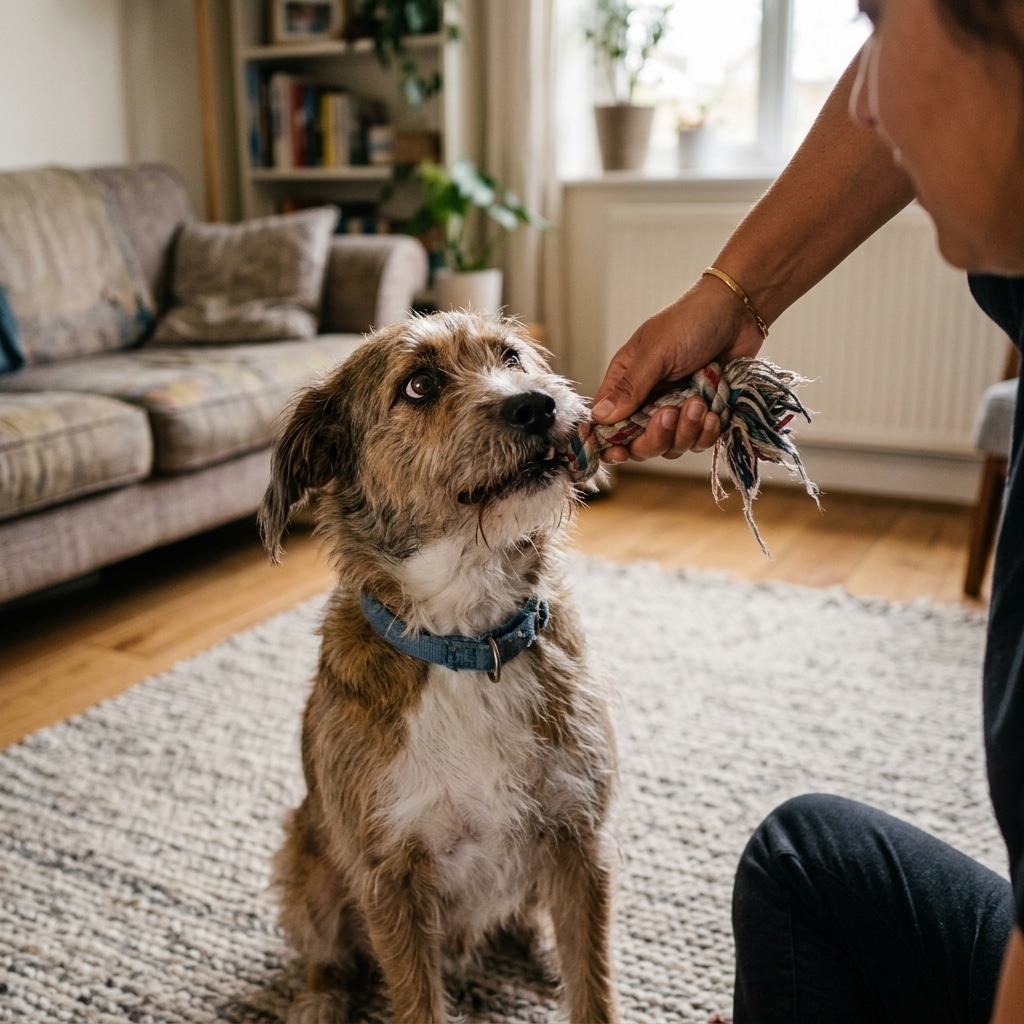
Repeatedly grabbing a dog’s toys, bones, or treats just to tease them can create insecurity around possessions.
Over time, this may even encourage resource guarding behaviors. Respectful interactions around food and toys help build trust instead of defensiveness.
8. Not Giving Them Enough Exercise
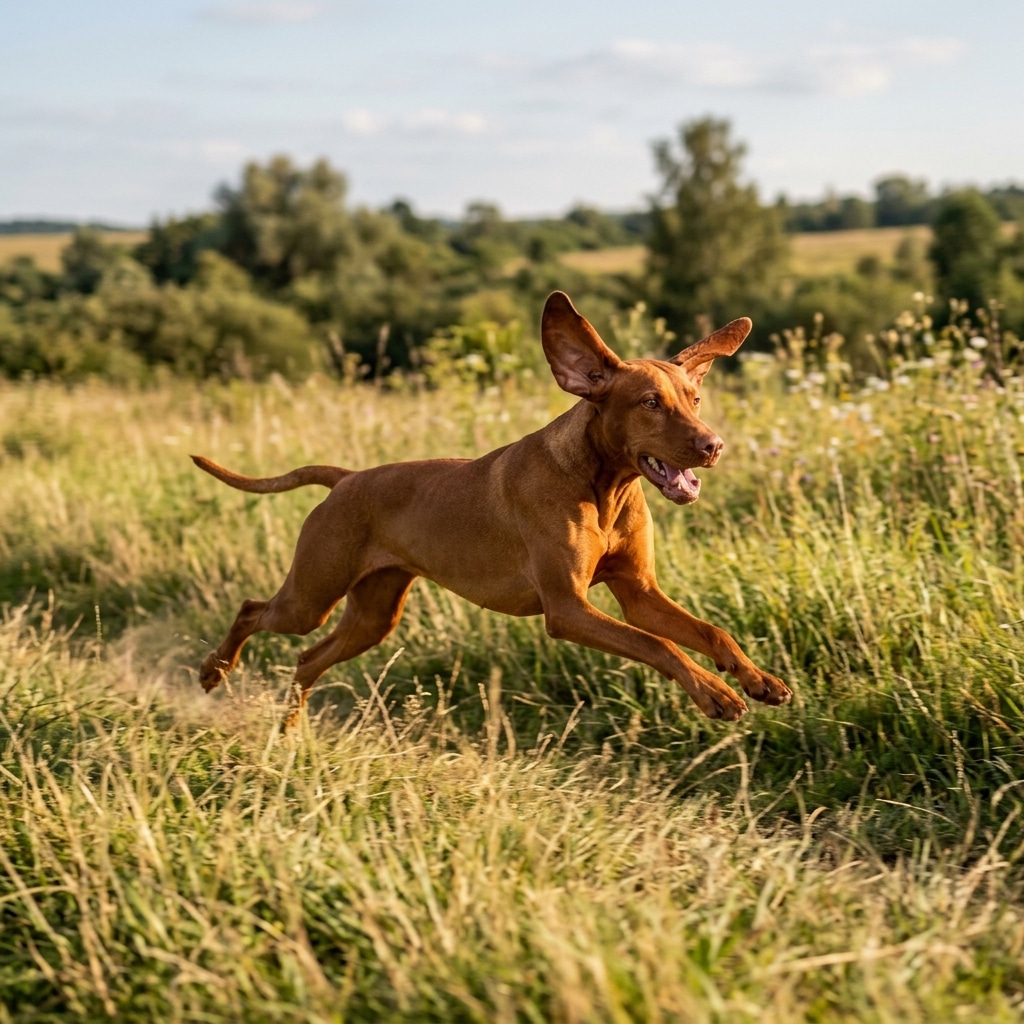
Many dogs become frustrated or destructive when physically and mentally understimulated. Exercise is essential for both emotional and physical wellbeing.
Bored dogs often develop behavioral problems simply because their needs are not being met. Regular activity helps dogs feel calmer, healthier, and more balanced overall.
7. Punishing Them for Being Scared
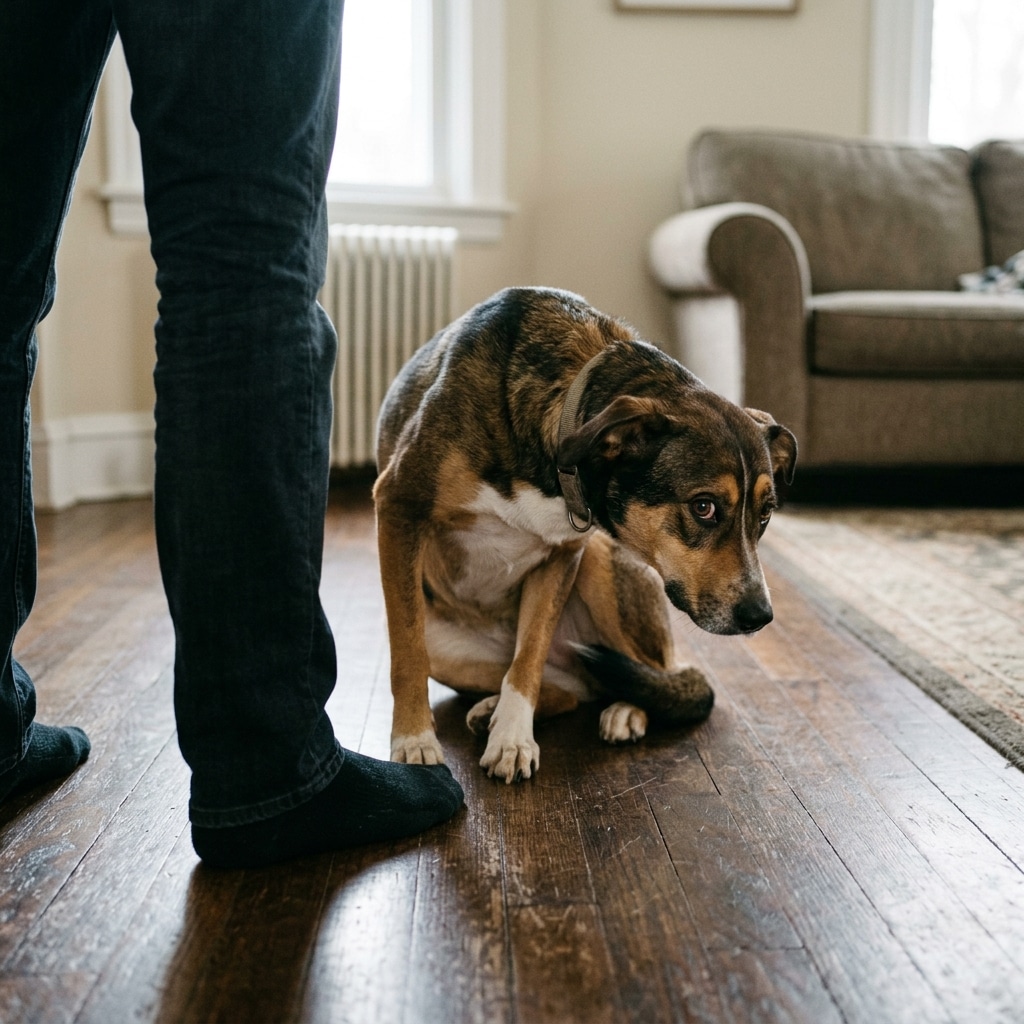
Fear is not disobedience. Punishing fearful behavior usually increases anxiety instead of solving it.
Dogs need reassurance and guidance when frightened, not anger. Helping a fearful dog feel safe is usually far more effective than trying to force bravery.
6. Invading Their Safe Space
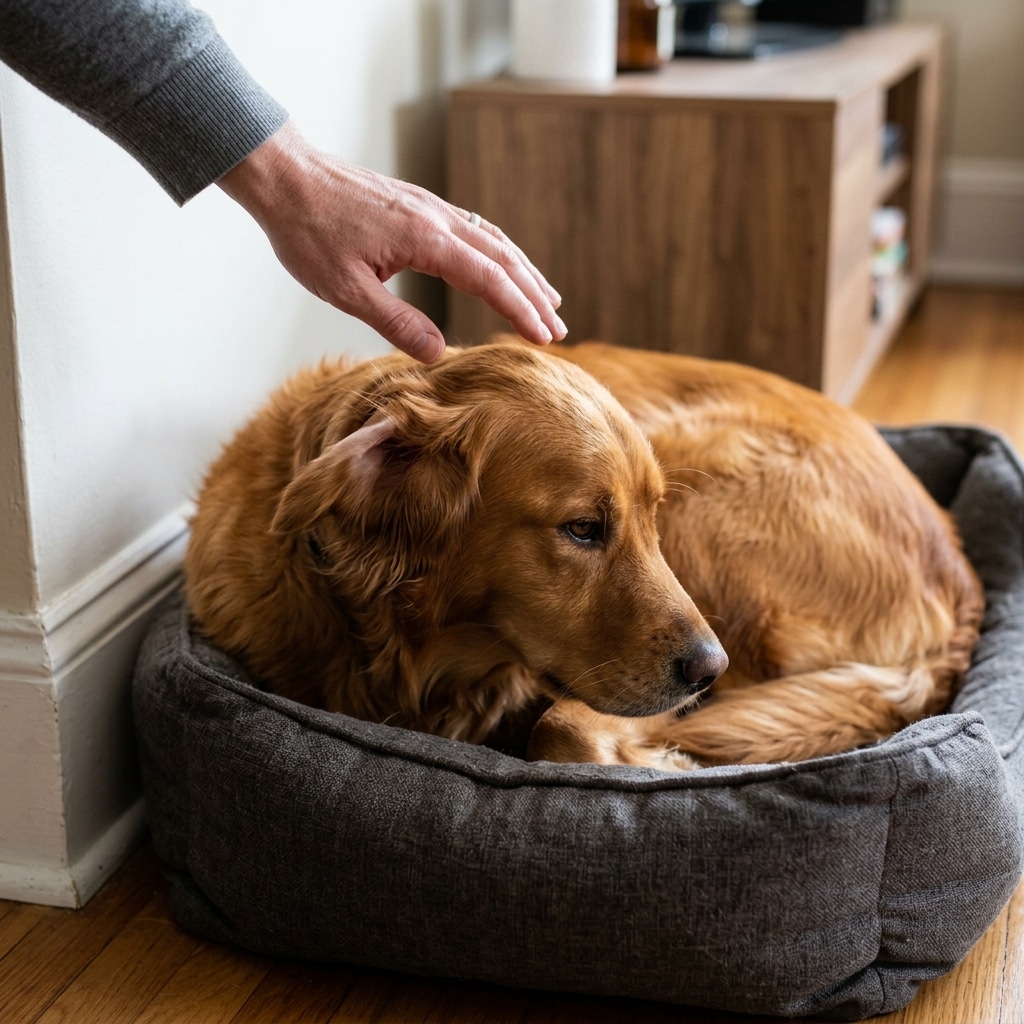
Dogs often create safe spaces where they relax and decompress. Constantly disturbing them in these areas can make them feel insecure.
Respecting those spaces helps nervous dogs feel safer. Every dog benefits from having a quiet place where they know they will not be bothered.
5. Treating Them Like Human Babies
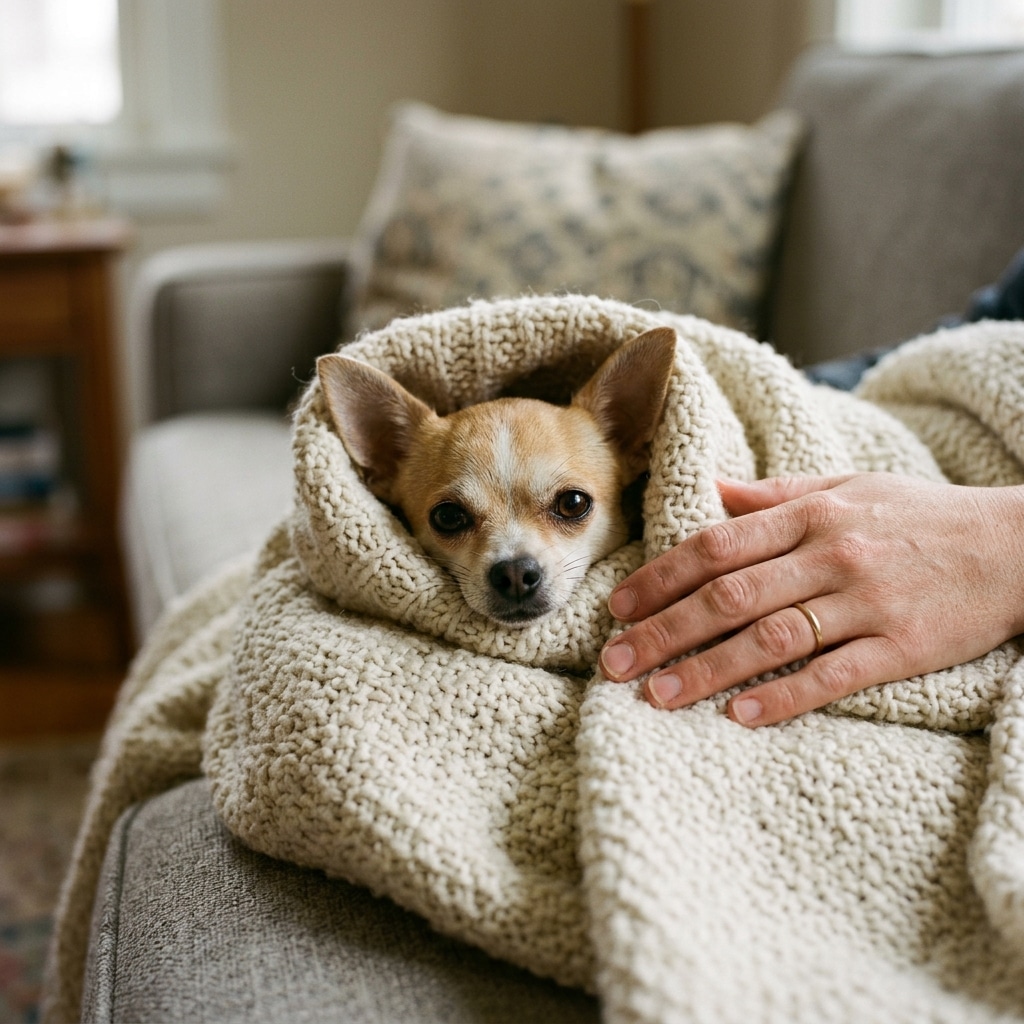
Dogs are not tiny humans in fur coats. Projecting human emotions and expectations onto them can create confusion and frustration.
Dogs have their own instincts, needs, and ways of communicating. Understanding dogs as dogs instead of human substitutes usually leads to healthier relationships.
4. Never Letting Them Rest

Some households constantly overstimulate dogs with noise, handling, or attention. Dogs need quiet downtime to relax properly.
Without enough rest, even friendly dogs can become irritable or stressed. Proper rest is just as important for dogs as exercise and play.
3. Ignoring Their Body Language
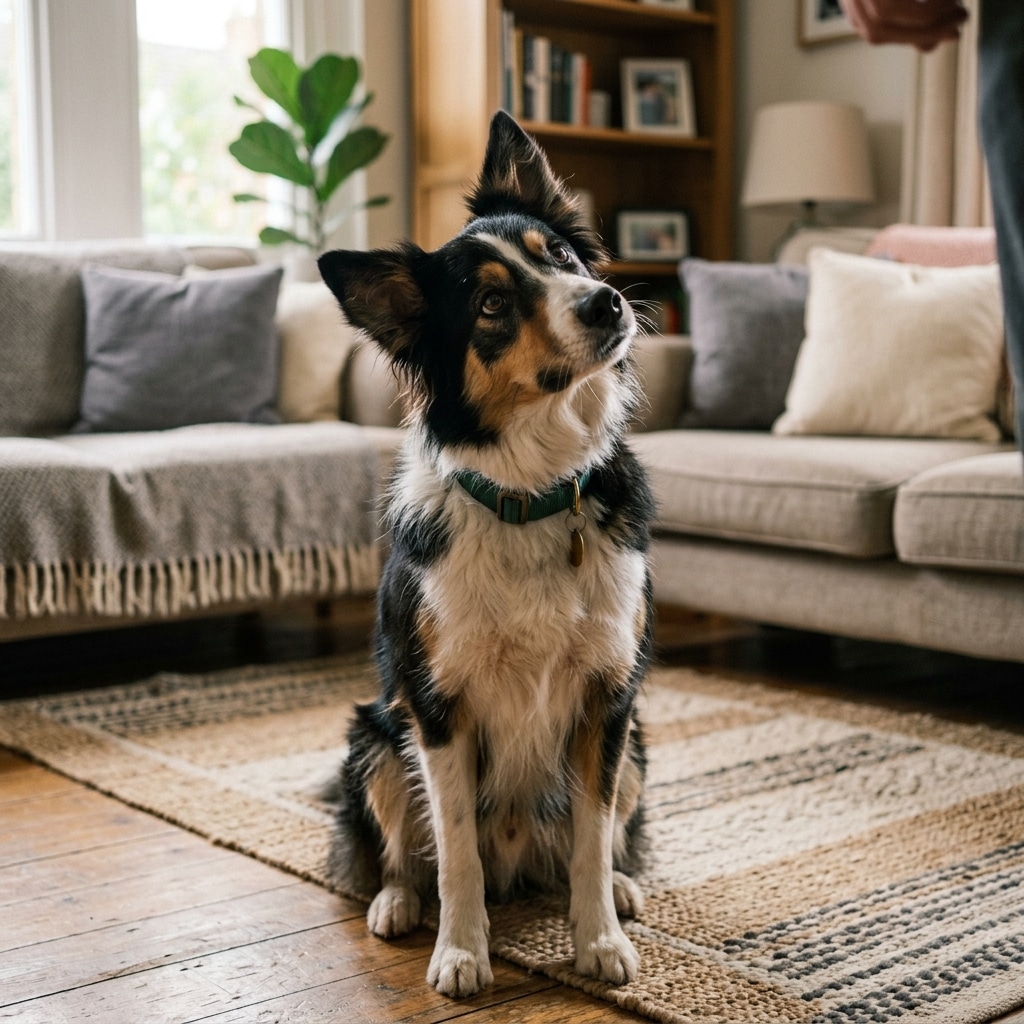
Dogs communicate constantly through posture, tail position, ears, facial expressions, and movement. Many humans completely miss these signals.
Misreading canine body language is one of the biggest causes of stress and dog bites. Learning to recognize subtle signs of discomfort can prevent many negative interactions.
2. Breaking Their Trust
Dogs remember how humans make them feel. Harsh treatment, unpredictability, or repeated fear can deeply damage trust over time.
Once trust is broken, rebuilding it can take a long time. Strong relationships with dogs are built through consistency, patience, and emotional safety.
1. Treating Them Like Objects Instead of Living Creatures
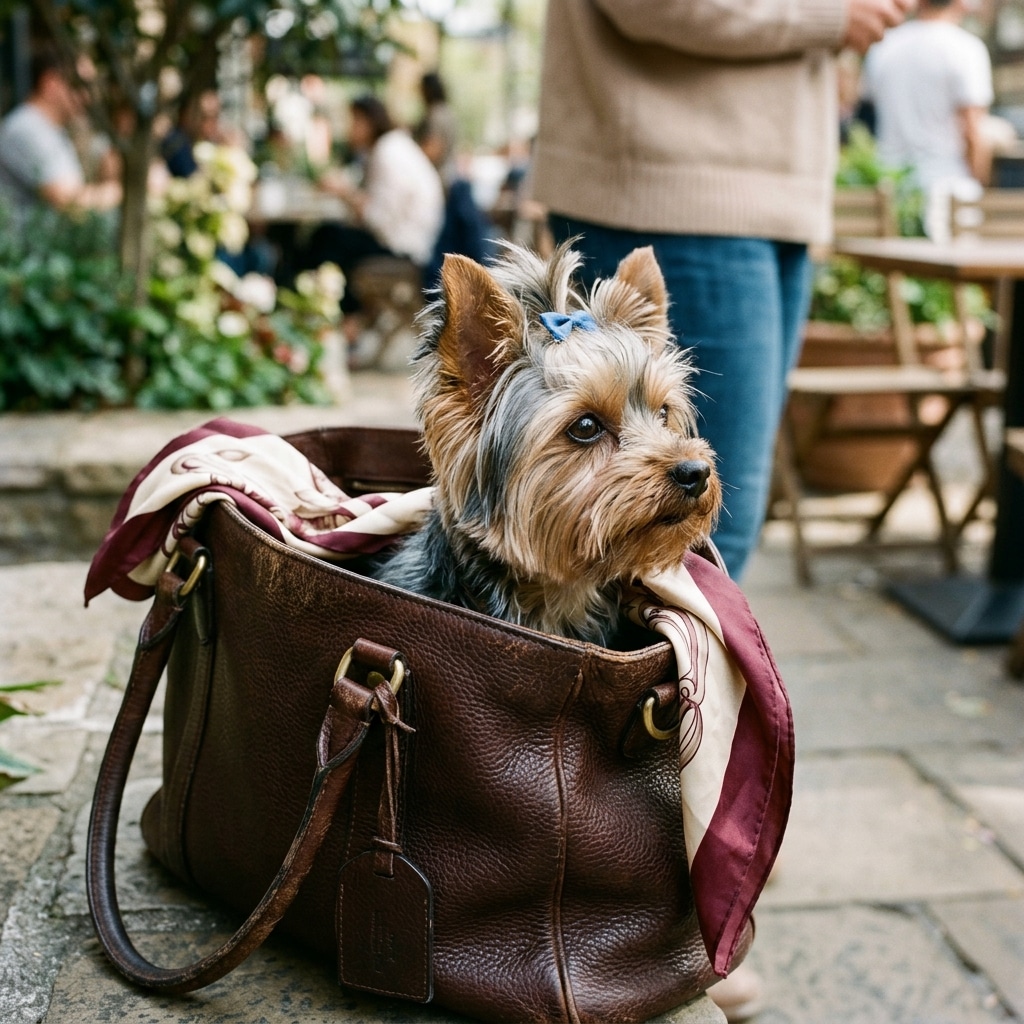
The biggest mistake humans make is forgetting that dogs are emotional, sensitive animals with unique personalities, fears, and needs.
Dogs are not decorations, toys, or accessories. They are living companions that depend on humans for safety, understanding, and care. The happiest dogs are usually the ones treated with empathy, patience, and genuine respect.

I am the founder and owner of Fauna Facts. My mission is to write valuable and entertaining information about animals and pets for my audience. I hope you enjoy the site!